

Definition
International Roadcheck is an annual three-day enforcement initiative conducted by the Commercial Vehicle Safety Association (CVSA) in Canada, the United States, and Mexico. It is the world’s largest targeted enforcement program for commercial motor vehicles, aiming to maximize safety compliance among motor carriers, vehicles, and drivers.
Core Process and Scope
During this high-intensity event, inspectors conduct comprehensive 37-step roadside inspections. On average, nearly 17 trucks or buses are inspected every minute throughout the three-day period, ensuring regulatory adherence.
Inspections focus on critical safety items:
• Vehicle components (e.g., brake adjustment, brake systems, tires, lights, couplings).
• Driver compliance (e.g., hours of service, licensing, medical certifications, false logs).
Historically, critical violations lead to Out-of-Service (OOS) orders. This occurs for roughly 21.5 percent of inspected vehicles and 3.4 percent of inspected drivers, requiring immediate correction before the asset can resume operation.
Impact on Shipments
International Roadcheck inevitably affects supply chain fluidity, potentially leading to increased costs and unavoidable transit delays.
• Constrained Capacity: Many FTL carriers and owner-operators voluntarily choose not to operate during the inspection week, immediately reducing available market capacity.
• Inspection Delays: All drivers must wait in lines, which can be extensive, and the full Level I inspection procedure typically requires about one hour.
• Operational Loss: Non-compliant vehicles or drivers taken out of service temporarily remove operational assets from the network, causing compounding delays for subsequent routes.
Expert Advice
To mitigate risks during the Roadcheck period, shippers should prioritize advanced planning and strict carrier selection.
• Pre-planning: Book shipments well in advance for the week before and the week of the Roadcheck event.
• Use Compliant Partners: Work exclusively with logistics partners and carriers known for robust safety programs and low Out-of-Service rates (CSA scores).
• Budget for Time: Expect and budget for potential transit time increases of 24 to 48 hours for loads moving through heavily enforced corridors.
-

Navigating Amazon's Account Level Reserve (ALR) and Cash Flow Throttling: A Guide for Sellers
Amazon's Account Level Reserve (ALR) and "Delivery Date + 7 days" (DD+7) disbursement policies are severely impacting seller cash flow, making it challenging to pay suppliers and restock inventory. Understanding these mechanisms is crucial for maintaining financial stability and operational efficiency in e-commerce. Strategic logistics and proactive financial planning can help mitigate these significant funding delays.
2026-05-06
-
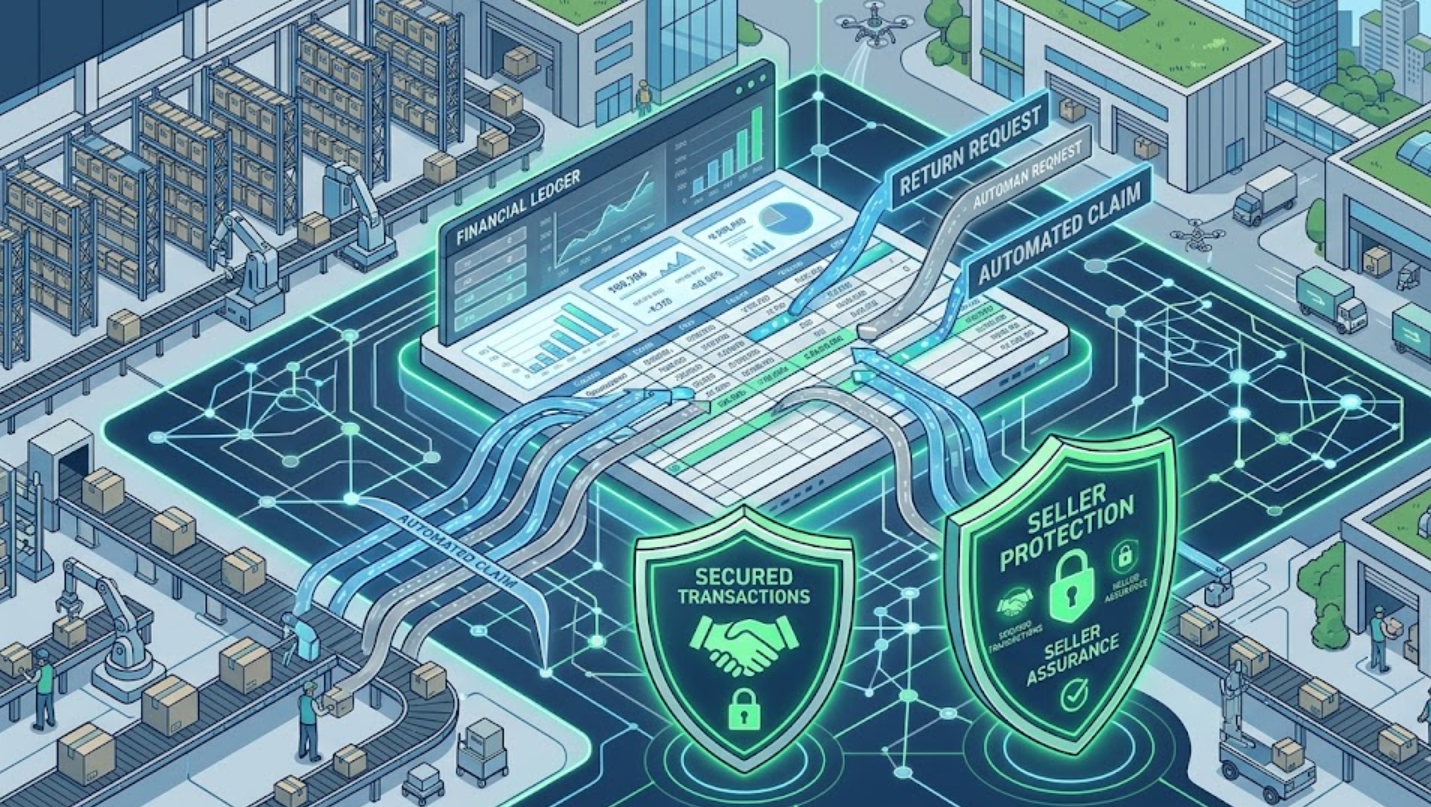
Navigating Amazon's A-to-Z Guarantee: Mitigating Seller-Funded Return Abuse
Amazon's automated A-to-Z Guarantee claims and escalating return abuse present a critical financial challenge for e-commerce sellers, often leading to uninvestigated, seller-funded losses. This trend, exacerbated by strict enforcement of doctrines like the First Sale Rule, necessitates proactive strategies to protect seller profitability. Understanding these dynamics and implementing robust mitigation tactics is essential for sustainable online business operations.
2026-04-29


