

Definition
The interest insured (sometimes called "insured interest") is the defined financial, ownership, or legal right that a party possesses in the cargo being shipped. This right must exist at the time of the loss for a claim to be valid. Without an interest insured, a party cannot demonstrate a compensable loss, as they would have no financial stake to protect.
Core Parties and Function
Multiple entities often hold an interest in the same shipment, making accurate policy wording critical. The primary function of defining the interest insured is to establish legal standing and prevent insurance from becoming a vehicle for unwarranted financial gain.
Typical parties whose interests may be insured include:
• The cargo owner (e.g., the manufacturer or seller)
• The buyer or consignee (once title transfers, depending on Incoterms)
• The carrier or freight forwarder (for liabilities they might incur)
• Banks or financial institutions (if the cargo is used as collateral)
Expert Advice
Logistics professionals must meticulously review the "interest insured" section of their policy, especially when dealing with complex multinational shipments or specific Incoterms (like CIF vs. FOB). The policyholder must ensure that all relevant parties with a legitimate financial stake are explicitly named or covered under the policy language.
Failure to clearly define the insured interest can lead to claim denials or disputes over payout amounts. Always consult legal or insurance counsel to ensure alignment between sales contracts and insurance coverage documentation.
Key Takeaways
• It represents the financial stake necessary for a valid claim.
• Coverage must be defined explicitly in the policy.
• Multiple parties can hold an interest in the same shipment.
• Lack of defined interest is grounds for claim denial.
-

Navigating Amazon's Account Level Reserve (ALR) and Cash Flow Throttling: A Guide for Sellers
Amazon's Account Level Reserve (ALR) and "Delivery Date + 7 days" (DD+7) disbursement policies are severely impacting seller cash flow, making it challenging to pay suppliers and restock inventory. Understanding these mechanisms is crucial for maintaining financial stability and operational efficiency in e-commerce. Strategic logistics and proactive financial planning can help mitigate these significant funding delays.
2026-05-06
-
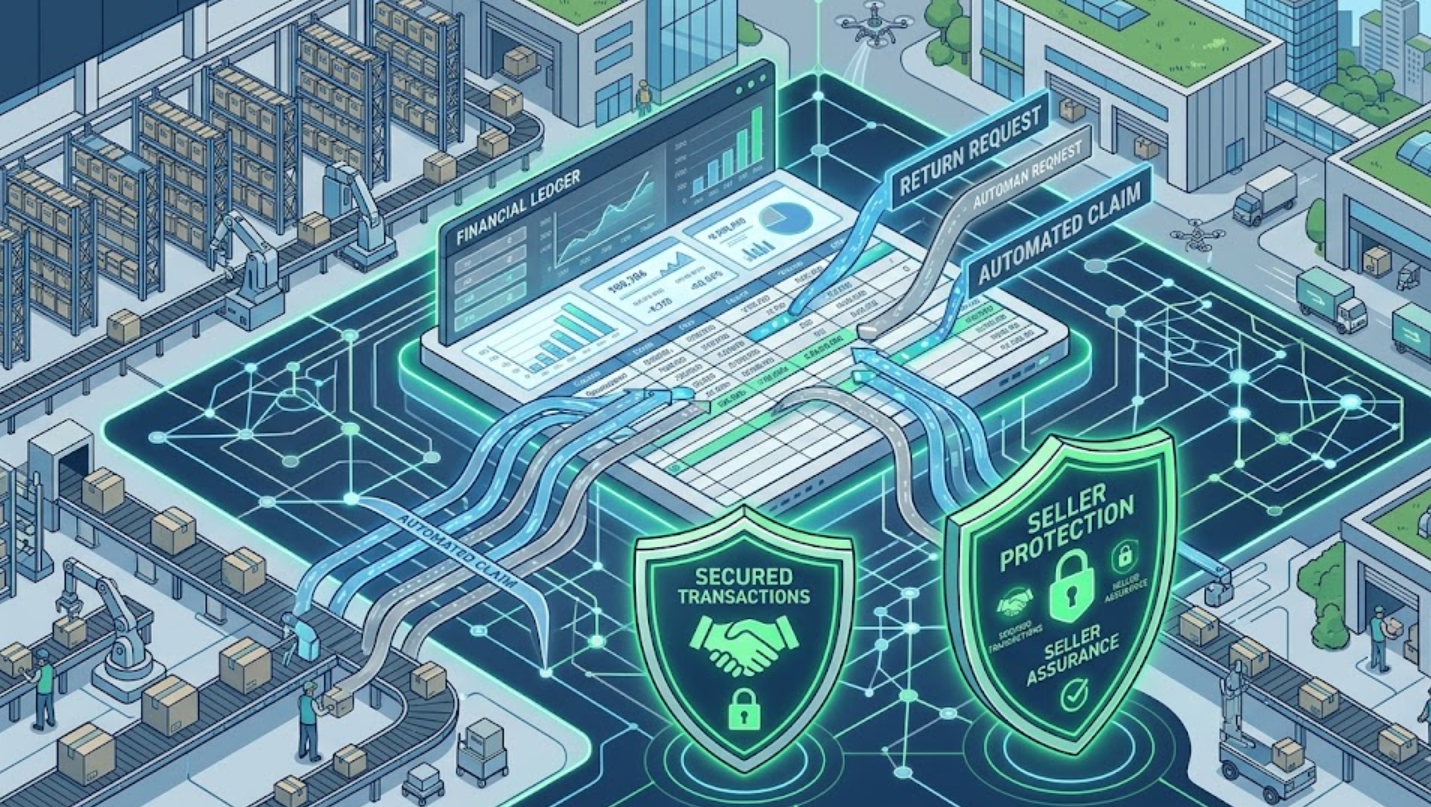
Navigating Amazon's A-to-Z Guarantee: Mitigating Seller-Funded Return Abuse
Amazon's automated A-to-Z Guarantee claims and escalating return abuse present a critical financial challenge for e-commerce sellers, often leading to uninvestigated, seller-funded losses. This trend, exacerbated by strict enforcement of doctrines like the First Sale Rule, necessitates proactive strategies to protect seller profitability. Understanding these dynamics and implementing robust mitigation tactics is essential for sustainable online business operations.
2026-04-29


