

Definition
The Intensive Exam is the most thorough physical inspection conducted by U.S. Customs and Border Protection (CBP) on imported containers. When a container is selected for this exam, it signifies the highest level of scrutiny applied to the cargo, often requiring complete unloading for detailed inspection.
Core Process
If CBP selects your shipment for an Intensive Exam, the container will be trucked to a Centralized Examination Station (CES). A CES is a privately operated facility designated by CBP for physical examination where imported cargo is made available for inspection.
• The CES staff unloads the entire container.
• A Customs officer examines the cargo contents thoroughly.
• Following the inspection, the CES reloads the cargo back into the container.
Timeline and Costs
Intensive exams typically introduce significant delays and costs to the logistics schedule.
• Exam Duration: Intensive exams usually take 5 to 7 days to complete. However, timelines can vary based on congestion levels at the port of entry and the specific Centralized Examination Station.
• Importer Responsibility: All associated costs—including drayage (trucking), storage, and handling fees—will be the responsibility of the importer.
Logistics Planning
While an Intensive Exam cannot be avoided if selected by CBP, proactive logistics planning is essential to manage the disruption.
• Schedule Updates: Your operations team will continuously monitor the shipment and update the schedule as necessary based on CES availability and processing timelines.
• Financial Preparedness: Budgeting for potential unforeseen costs related to mandatory examinations is crucial for maintaining supply chain stability.
-

Navigating Amazon's Account Level Reserve (ALR) and Cash Flow Throttling: A Guide for Sellers
Amazon's Account Level Reserve (ALR) and "Delivery Date + 7 days" (DD+7) disbursement policies are severely impacting seller cash flow, making it challenging to pay suppliers and restock inventory. Understanding these mechanisms is crucial for maintaining financial stability and operational efficiency in e-commerce. Strategic logistics and proactive financial planning can help mitigate these significant funding delays.
2026-05-06
-
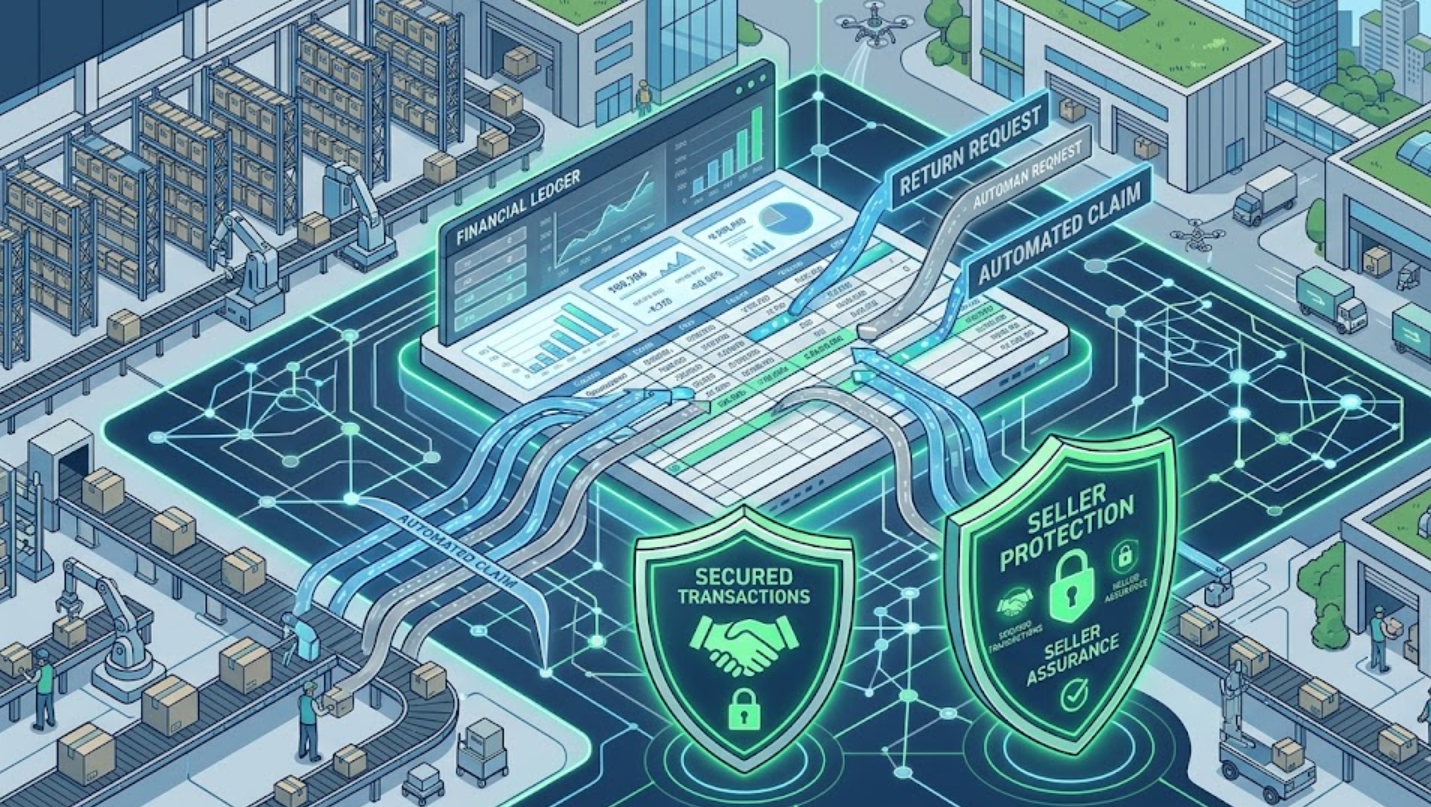
Navigating Amazon's A-to-Z Guarantee: Mitigating Seller-Funded Return Abuse
Amazon's automated A-to-Z Guarantee claims and escalating return abuse present a critical financial challenge for e-commerce sellers, often leading to uninvestigated, seller-funded losses. This trend, exacerbated by strict enforcement of doctrines like the First Sale Rule, necessitates proactive strategies to protect seller profitability. Understanding these dynamics and implementing robust mitigation tactics is essential for sustainable online business operations.
2026-04-29


