

Definition
The Inside Delivery Fee (ID Fee) is an accessorial charge applied by a freight carrier (trucker) when the scope of work requires them to move a shipment past the standard receiving area—typically the loading dock, front door, or threshold of the facility.
This fee is warranted because standard freight quotes only cover movement to the designated exterior receiving point. Any movement inside the building requires extra manual effort, time, and potentially specialized equipment not accounted for in the base linehaul rate.
Core Function
The primary function of the ID Fee is to compensate the trucker for specialized labor involved in handling the final placement or retrieval of goods. If a delivery requires some form of installation, or if the trucker is required to go inside the location past the loading dock, this fee applies.
Scenarios where an ID Fee is typically assessed:
• Delivery or pickup that requires the trucker to travel down interior hallways.
• Placement of cargo in a specific room or location (e.g., a server room or assembly floor).
• Shipments requiring some degree of installation or setup beyond simple unloading.
It is crucial to note that if an inside delivery is necessary, it must be requested and quoted upfront. Failure to inform the carrier beforehand can lead to delays or the refusal of service upon arrival. If applicable, the Inside Delivery Fee will appear on your quote or invoice as a destination charge.
Expert Advice
Logistics managers should always verify if inside delivery is truly required. Often, coordinating internal warehouse staff to meet the trucker at the dock can eliminate this fee entirely. If the service is unavoidable, ensure it is clearly documented on the Bill of Lading (BOL) and the carrier contract before the shipment moves. This avoids unexpected destination charges and potential invoicing disputes, ensuring cost predictability.
Key Takeaways
• The ID Fee covers movement beyond the standard exterior receiving threshold.
• It is an accessorial charge, not included in the base freight rate.
• Pre-booking this service is mandatory to ensure carrier compliance and proper resource allocation.
• Always check internal labor capacity before authorizing an inside delivery to optimize costs.
-

Navigating Amazon's Account Level Reserve (ALR) and Cash Flow Throttling: A Guide for Sellers
Amazon's Account Level Reserve (ALR) and "Delivery Date + 7 days" (DD+7) disbursement policies are severely impacting seller cash flow, making it challenging to pay suppliers and restock inventory. Understanding these mechanisms is crucial for maintaining financial stability and operational efficiency in e-commerce. Strategic logistics and proactive financial planning can help mitigate these significant funding delays.
2026-05-06
-
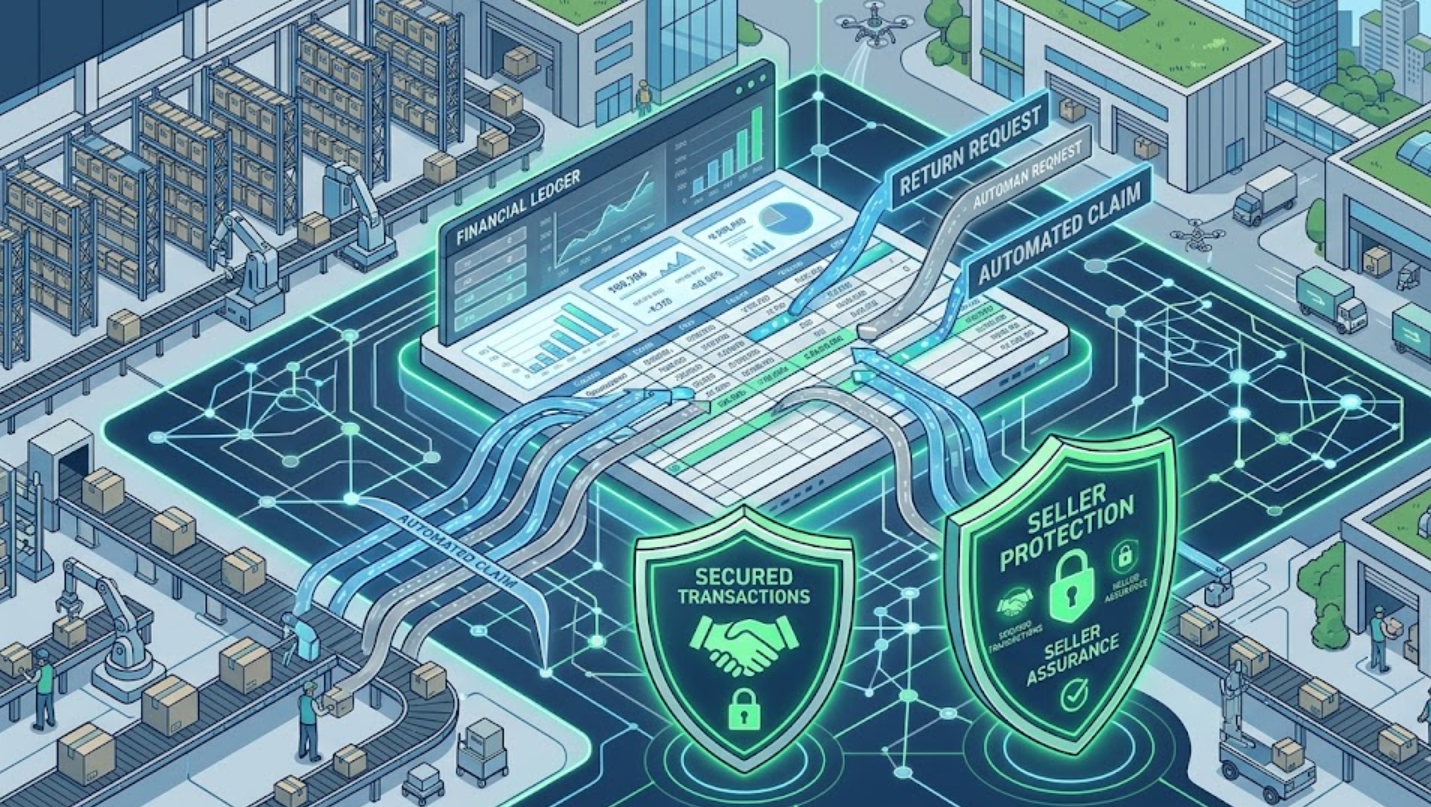
Navigating Amazon's A-to-Z Guarantee: Mitigating Seller-Funded Return Abuse
Amazon's automated A-to-Z Guarantee claims and escalating return abuse present a critical financial challenge for e-commerce sellers, often leading to uninvestigated, seller-funded losses. This trend, exacerbated by strict enforcement of doctrines like the First Sale Rule, necessitates proactive strategies to protect seller profitability. Understanding these dynamics and implementing robust mitigation tactics is essential for sustainable online business operations.
2026-04-29


