

Definition
Inherent vice refers to the characteristic properties of transported goods that make them susceptible to deterioration or damage, regardless of reasonable handling by the carrier.
This includes goods that are:
• Perishable (e.g., food requiring strict temperature control).
• Environmentally sensitive (e.g., pharmaceuticals or electronics damaged by temperature fluctuation or humidity).
• Naturally fragile (e.g., ceramics or glass).
Examples and Classification
Understanding the specific nature of inherent vice helps shippers determine necessary mitigation strategies.
• Short-Lived: Damage resulting from normal environmental changes during transit, such as sealed plastic containers deforming due to altitude-related pressure changes during air or high-altitude ground transport.
• Structural Nature: Damage resulting from the product's unavoidable material composition, such as acidic chemicals in leather causing corrosion when placed in contact with metal components.
• History or Function: Damage caused by known material reactions to common conditions, such as unprotected iron rusting when exposed to humidity.
Expert Advice: Shipper Responsibilities and Risk Management
The responsibility for mitigating inherent vice rests primarily with the shipper.
• Shippers must have expert knowledge of their product's sensitivity and potential inherent vices.
• Appropriate packaging and preparation are required to protect goods against the expected rigors and environmental conditions of the chosen transport mode. For example, iron machinery must be adequately protected against expected humidity to prevent rust claims.
Key Takeaways: Insurance Implications
Inherent vice is a standard exclusion in most cargo insurance policies and carrier liability agreements.
• If cargo damage is determined to be a result of the product's inherent vice, the transportation company is typically not liable for the loss.
• Claims may be denied due to inherent vice or insufficient packaging, as both are coverage exclusions related to the cargo’s intrinsic nature and preparation.
-

Navigating Amazon's Account Level Reserve (ALR) and Cash Flow Throttling: A Guide for Sellers
Amazon's Account Level Reserve (ALR) and "Delivery Date + 7 days" (DD+7) disbursement policies are severely impacting seller cash flow, making it challenging to pay suppliers and restock inventory. Understanding these mechanisms is crucial for maintaining financial stability and operational efficiency in e-commerce. Strategic logistics and proactive financial planning can help mitigate these significant funding delays.
2026-05-06
-
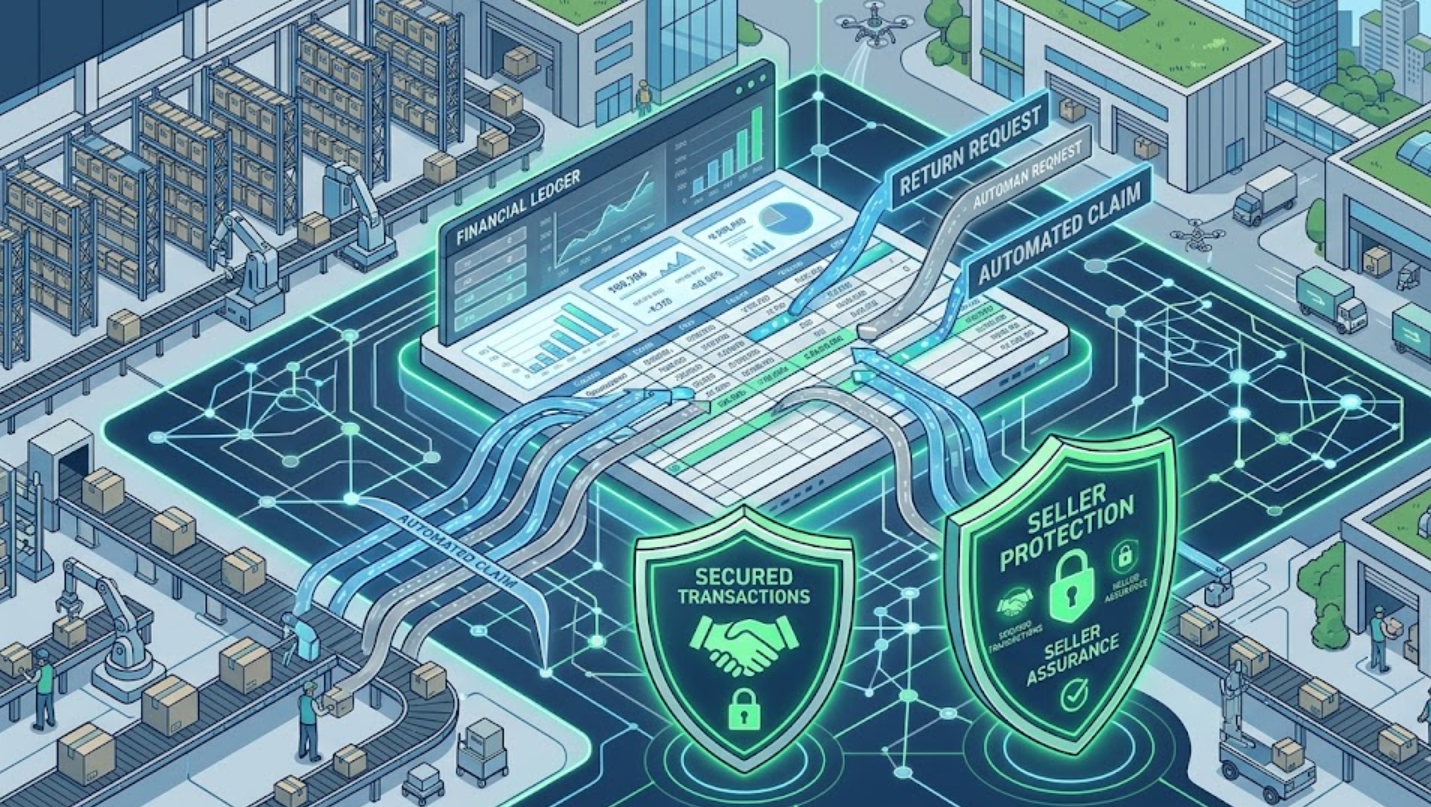
Navigating Amazon's A-to-Z Guarantee: Mitigating Seller-Funded Return Abuse
Amazon's automated A-to-Z Guarantee claims and escalating return abuse present a critical financial challenge for e-commerce sellers, often leading to uninvestigated, seller-funded losses. This trend, exacerbated by strict enforcement of doctrines like the First Sale Rule, necessitates proactive strategies to protect seller profitability. Understanding these dynamics and implementing robust mitigation tactics is essential for sustainable online business operations.
2026-04-29


