

Definition
Incoterms® are standardized contractual terms used in international and domestic sales agreements. They specify the duties, costs, and risks associated with the delivery of goods from the seller to the buyer. By clearly defining these responsibilities, Incoterms® reduce misunderstandings and potential disputes in global trade.
Core Function
The core function of Incoterms® is to establish a clear framework for the cost and risk transfer during the shipping process. It is an agreement between the buyer and the seller, decided before the shipment begins, ensuring clarity on:
• Who pays for carriage and insurance.
• Where the goods are delivered (point of risk transfer).
• Who handles customs clearance and export documentation.
Incoterms® Updates: 2020 Edition
The latest edition, Incoterms® 2020, was published by the ICC in September 2019 and became effective on 1 January 2020. This edition brought material changes and updated the Incoterms® 2010 rules.
It is crucial to note that the adoption of Incoterms® 2020 is NOT mandatory. Parties writing contracts must explicitly state which version they intend to use (e.g., "FOB Shanghai Incoterms® 2010" or "DAP New York Incoterms® 2020"). It is possible, therefore, that clients may still utilize the 2010 rules if mutually agreed upon.
Expert Advice
When structuring contracts of sale, logistics professionals must ensure absolute clarity regarding the Incoterm chosen and the specific edition referenced. Ambiguity in contracts can lead to significant financial liabilities, insurance coverage gaps, and major shipment delays.
Key Takeaways:
• Incoterms® define cost and risk responsibility between the buyer and seller.
• They are established by the International Chamber of Commerce (ICC).
• The current active standard is Incoterms® 2020, though Incoterms® 2010 remains valid if specified in the contract.
• Always specify the location and the year of the rule (e.g., CIF Port X Incoterms® 2020).
-

Navigating Amazon's Account Level Reserve (ALR) and Cash Flow Throttling: A Guide for Sellers
Amazon's Account Level Reserve (ALR) and "Delivery Date + 7 days" (DD+7) disbursement policies are severely impacting seller cash flow, making it challenging to pay suppliers and restock inventory. Understanding these mechanisms is crucial for maintaining financial stability and operational efficiency in e-commerce. Strategic logistics and proactive financial planning can help mitigate these significant funding delays.
2026-05-06
-
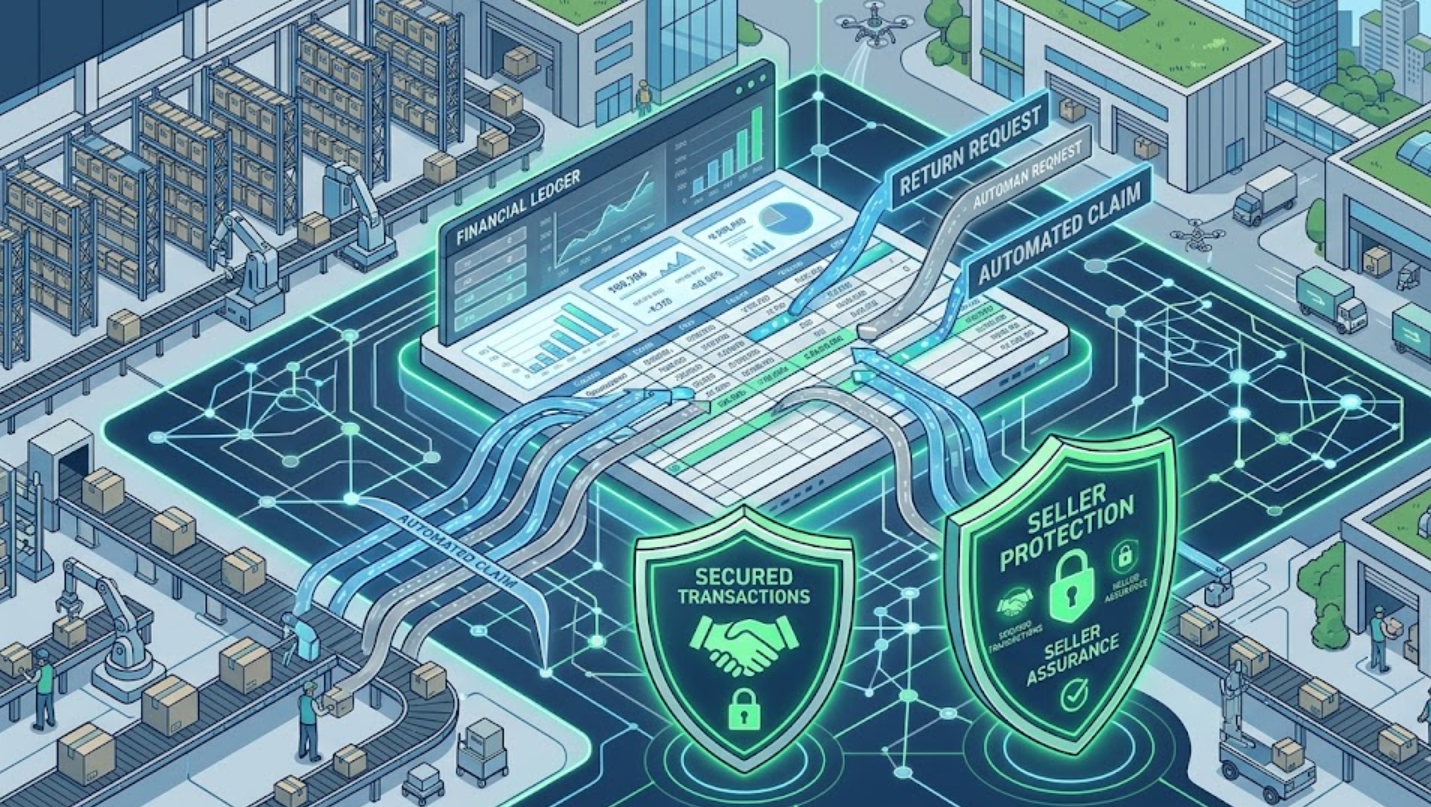
Navigating Amazon's A-to-Z Guarantee: Mitigating Seller-Funded Return Abuse
Amazon's automated A-to-Z Guarantee claims and escalating return abuse present a critical financial challenge for e-commerce sellers, often leading to uninvestigated, seller-funded losses. This trend, exacerbated by strict enforcement of doctrines like the First Sale Rule, necessitates proactive strategies to protect seller profitability. Understanding these dynamics and implementing robust mitigation tactics is essential for sustainable online business operations.
2026-04-29


