

Definition
The Importer of Record (IOR) is the entity or individual legally responsible for all entry documents required by the governing customs authority (such as CBP in the US) and for fulfilling all associated import obligations. This includes precise product classification and the subsequent payment of duties, taxes, and fees.
Core Responsibilities
The IOR holds significant liability and operational duties necessary for customs clearance:
• Accurate Classification: Ensuring the goods are assigned the correct Harmonized Tariff Schedule (HTS) codes.
• Duty and Tax Payment: Timely submission of all required import duties, tariffs, and taxes.
• Compliance: Guaranteeing the goods meet all necessary regulatory and safety standards of the importing country.
• Documentation Management: Filing all required customs paperwork and entry summaries accurately.
International Considerations
The requirements for the IOR vary significantly based on the destination market:
• Importing into the U.S.: If the importing entity is foreign (not based in the U.S.), additional documentation and specific surety bond requirements must be met to satisfy CBP regulations.
• Importing into the EU: The IOR for shipments entering the European Union must be an entity that is established, meaning physically registered or based, within the EU member state where the importation occurs. This strict requirement ensures accountability for VAT and customs purposes.
Expert Advice
Misidentifying the Importer of Record is a common compliance error that leads to significant delays, penalties, and potentially seizure of goods. Logicmile advises clients to confirm the contractual IOR status before shipment, especially when utilizing specialized shipping terms like DDP (Delivered Duty Paid), which shifts the IOR burden to the seller. Consulting a logistics expert is vital for complex cross-border movements, particularly those involving non-resident IOR setups.
-

Navigating Amazon's Account Level Reserve (ALR) and Cash Flow Throttling: A Guide for Sellers
Amazon's Account Level Reserve (ALR) and "Delivery Date + 7 days" (DD+7) disbursement policies are severely impacting seller cash flow, making it challenging to pay suppliers and restock inventory. Understanding these mechanisms is crucial for maintaining financial stability and operational efficiency in e-commerce. Strategic logistics and proactive financial planning can help mitigate these significant funding delays.
2026-05-06
-
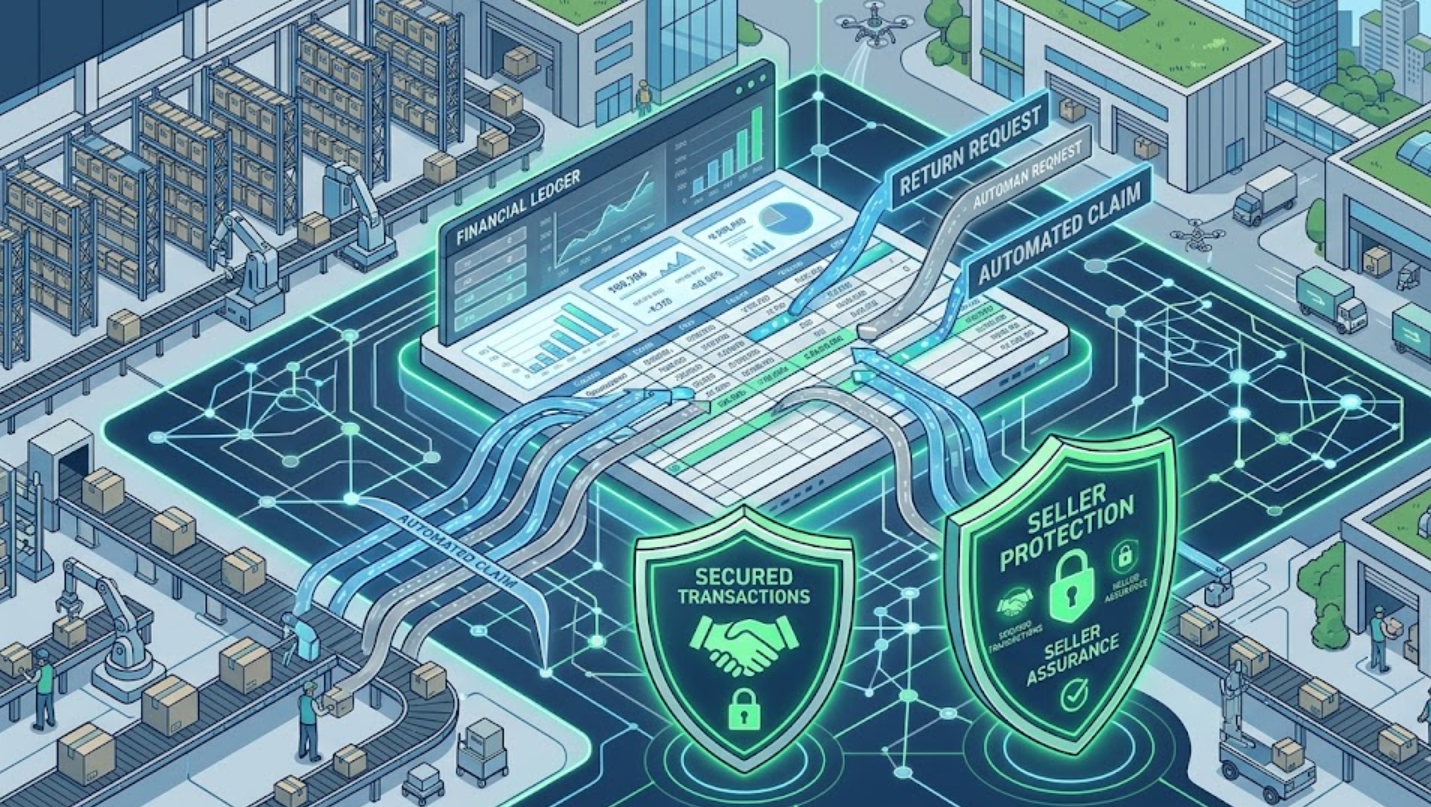
Navigating Amazon's A-to-Z Guarantee: Mitigating Seller-Funded Return Abuse
Amazon's automated A-to-Z Guarantee claims and escalating return abuse present a critical financial challenge for e-commerce sellers, often leading to uninvestigated, seller-funded losses. This trend, exacerbated by strict enforcement of doctrines like the First Sale Rule, necessitates proactive strategies to protect seller profitability. Understanding these dynamics and implementing robust mitigation tactics is essential for sustainable online business operations.
2026-04-29


