

Definition
The International Ship and Port Facility Security Code (ISPS Code) is a crucial component of the Safety of Life at Sea (SOLAS) Convention, implemented by the International Maritime Organization (IMO). It was developed specifically to establish a standardized, comprehensive framework for assessing and mitigating security risks following the events of September 11, 2001.
Core Function and Implementation
The ISPS Code assigns mandatory responsibilities to key stakeholders involved in international maritime trade: contracting governments, shipping companies, shipboard personnel, and port facility personnel. Its primary function is proactive security management through three defined security levels (Level 1: Normal, Level 2: Heightened, Level 3: Exceptional) that dictate the required vigilance and countermeasures.
Compliance requires the development and approval of Ship Security Plans (SSP) and Port Facility Security Plans (PFSP). These plans detail the procedures and protective measures necessary to detect security threats and prevent security incidents affecting ships or ports used in international trade.
Expert Advice
For logistics and consulting professionals, understanding ISPS compliance is non-negotiable for supply chain resilience. Non-compliance results in severe delays, detention, or outright denial of entry to foreign ports. We advise clients to integrate ISPS documentation checks (such as the International Ship Security Certificate, or ISSC) directly into carrier vetting processes. Ensure your chosen carriers and the facilities they utilize operate consistently at the designated security level, especially when moving high-value or sensitive cargo.
Key Takeaways
• ISPS is mandatory under SOLAS for all ships engaged in international voyages (cargo ships, passenger ships, mobile offshore drilling units).
• Compliance requires verified Ship Security Assessments (SSA) and Port Facility Security Assessments (PFSA).
• The Code uses three escalating security levels to manage immediate threats.
• Failure to adhere results in operational penalties and supply chain disruptions.
-

Navigating Amazon's Account Level Reserve (ALR) and Cash Flow Throttling: A Guide for Sellers
Amazon's Account Level Reserve (ALR) and "Delivery Date + 7 days" (DD+7) disbursement policies are severely impacting seller cash flow, making it challenging to pay suppliers and restock inventory. Understanding these mechanisms is crucial for maintaining financial stability and operational efficiency in e-commerce. Strategic logistics and proactive financial planning can help mitigate these significant funding delays.
2026-05-06
-
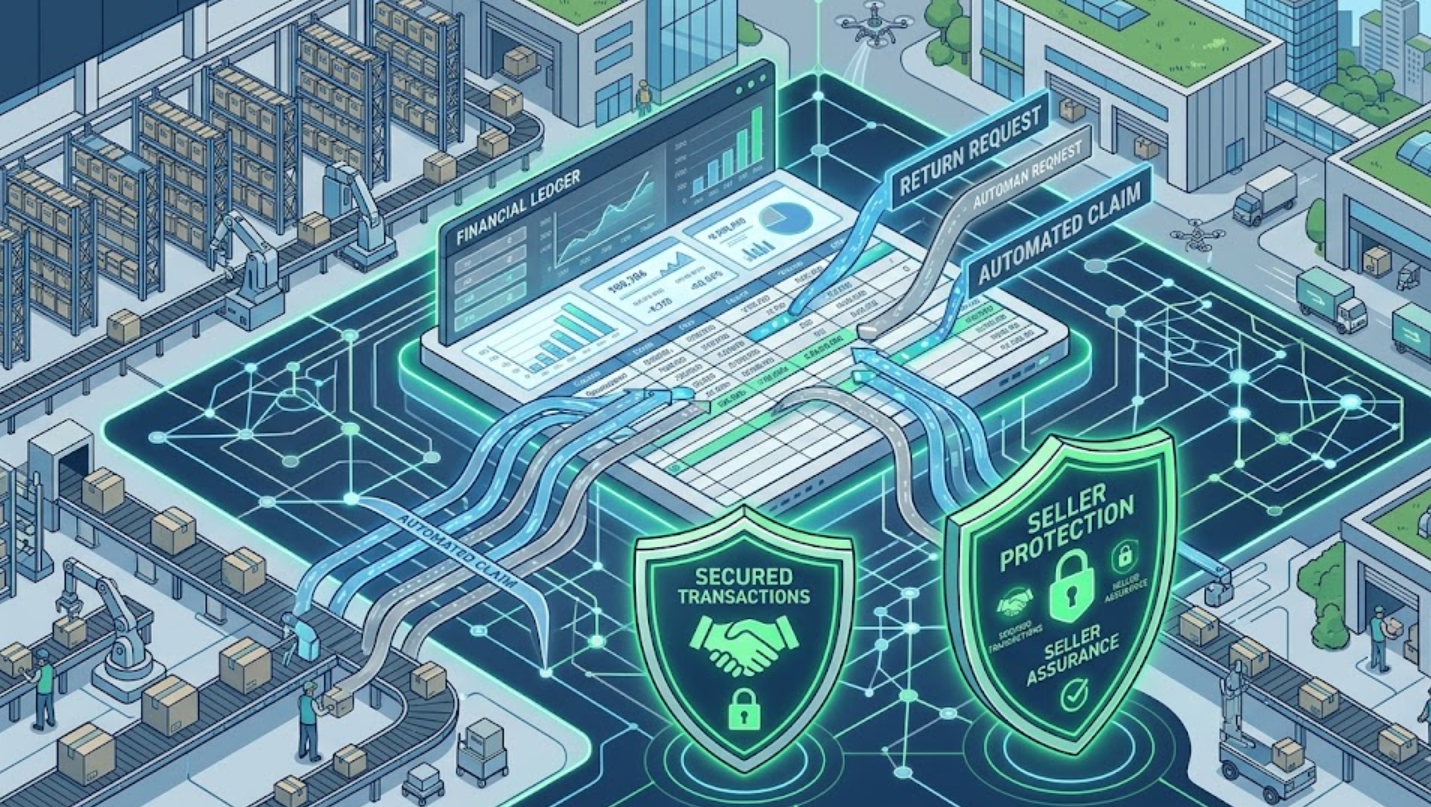
Navigating Amazon's A-to-Z Guarantee: Mitigating Seller-Funded Return Abuse
Amazon's automated A-to-Z Guarantee claims and escalating return abuse present a critical financial challenge for e-commerce sellers, often leading to uninvestigated, seller-funded losses. This trend, exacerbated by strict enforcement of doctrines like the First Sale Rule, necessitates proactive strategies to protect seller profitability. Understanding these dynamics and implementing robust mitigation tactics is essential for sustainable online business operations.
2026-04-29


