

Definition
The Importer Security Filing (ISF) is a critical compliance mandate from US Customs and Border Protection (CBP). Often referred to as "10+2," the ISF requires importers or their agents to electronically transmit detailed shipment data to CBP. This data allows CBP to perform risk assessments and identify high-risk cargo before it arrives at a US port.
Core Process and Data Elements
The ISF must be filed electronically a minimum of 24 hours prior to the ocean vessel's departure bound for the United States. Failure to meet this deadline or provide accurate information can result in a US$5,000 liquidated damages claim. The "10+2" naming convention refers to the 12 distinct data elements required: 10 from the importer/supplier and 2 from the carrier.
The 10 Required Importer/Supplier Data Elements are:
• Manufacturer (or supplier) name and address
• Seller (or owner) name and address
• Buyer (or owner) name and address
• Ship-to name and address
• Container stuffing location
• Consolidator (stuffer) name and address
• Importer of record number / foreign trade zone applicant identification number
• Consignee number(s)
• Country of origin
• Commodity Harmonized Tariff Schedule number (HTS)
The 2 Required Carrier Data Elements are:
• Vessel stow plan
• Container status messages
Additionally, the ISF filer must accurately link the filing to the appropriate AMS (manifest) filing by providing:
• Master Bill of Lading (MBL) Number and SCAC
• AMS House Bill of Lading (HBL) Number and SCAC
Expert Advice and Key Takeaways
Importers should establish robust internal processes to gather the required data points as early as possible in the procurement cycle, often immediately upon issuing a purchase order. Relying solely on the freight forwarder to retrieve all 10 data points internally is often inefficient and risks delays.
Key Takeaways:
• ISF is mandatory for all ocean imports entering the U.S.
• The deadline is 24 hours before the vessel departs its foreign load port.
• Fines for non-compliance are steep (US$5,000 per violation).
• Accuracy is paramount; missing or incorrect information is equivalent to late filing.
• Logistics consultants, like Logicmile, specialize in streamlining ISF compliance to mitigate risk and ensure timely delivery.
-

Navigating Amazon's Account Level Reserve (ALR) and Cash Flow Throttling: A Guide for Sellers
Amazon's Account Level Reserve (ALR) and "Delivery Date + 7 days" (DD+7) disbursement policies are severely impacting seller cash flow, making it challenging to pay suppliers and restock inventory. Understanding these mechanisms is crucial for maintaining financial stability and operational efficiency in e-commerce. Strategic logistics and proactive financial planning can help mitigate these significant funding delays.
2026-05-06
-
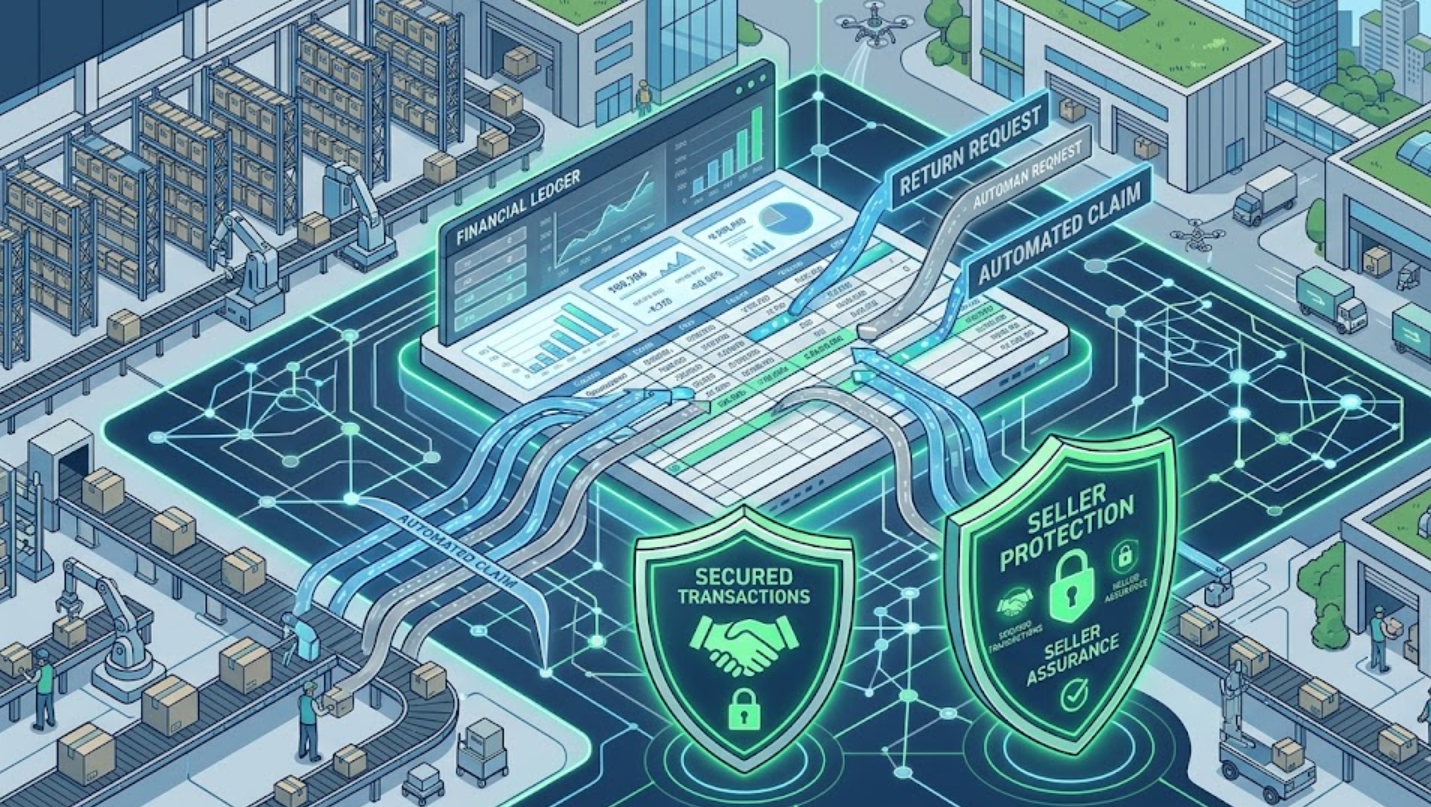
Navigating Amazon's A-to-Z Guarantee: Mitigating Seller-Funded Return Abuse
Amazon's automated A-to-Z Guarantee claims and escalating return abuse present a critical financial challenge for e-commerce sellers, often leading to uninvestigated, seller-funded losses. This trend, exacerbated by strict enforcement of doctrines like the First Sale Rule, necessitates proactive strategies to protect seller profitability. Understanding these dynamics and implementing robust mitigation tactics is essential for sustainable online business operations.
2026-04-29


