

Definition
Hazmat is an abbreviation for hazardous materials. These are items or substances capable of posing an unreasonable risk when transported in commerce. Strict global and local regulations govern the movement of these goods to mitigate potential harm during shipping.
Scope and Examples
Hazardous materials encompass a broad category of products that require special handling protocols. While the scope is vast, commonly encountered examples in logistics include:
• Batteries (especially lithium-ion)
• Magnets (if strong enough to affect compasses or equipment)
• Chemical products (e.g., hand sanitizers, lighter fluid, cleaning agents)
• Fertilizer and pesticides
• Gases (compressed, liquid, or dissolved)
• Poisonous and toxic substances
• Explosives and flammable substances (liquids or solids)
Supplier Responsibility and Compliance
The primary responsibility for identifying a product as hazardous and initiating the correct shipping process rests solely with the supplier or shipper. Compliance is not optional; all shipments must adhere to applicable Hazmat regulations. Logistics partners will refuse shipments that are improperly classified or documented.
Crucially, the supplier must provide all necessary dangerous goods paperwork, including accurate classification information and appropriate documentation, to ensure carriers can manage the risk appropriately. Failure to comply can result in severe penalties, delays, and critical safety hazards.
Expert Advice and Key Takeaways
• Hazmat classification strictly dictates packaging, labeling, and handling requirements.
• Regulations are mandated by international and domestic authorities; ignorance is not an acceptable defense.
• Accurate Dangerous Goods paperwork from the supplier is critical for transit acceptance and security.
• Consulting firms like Logicmile assist clients in auditing Hazmat classifications and ensuring complete regulatory compliance across complex global logistics routes.
-

Navigating Amazon's Account Level Reserve (ALR) and Cash Flow Throttling: A Guide for Sellers
Amazon's Account Level Reserve (ALR) and "Delivery Date + 7 days" (DD+7) disbursement policies are severely impacting seller cash flow, making it challenging to pay suppliers and restock inventory. Understanding these mechanisms is crucial for maintaining financial stability and operational efficiency in e-commerce. Strategic logistics and proactive financial planning can help mitigate these significant funding delays.
2026-05-06
-
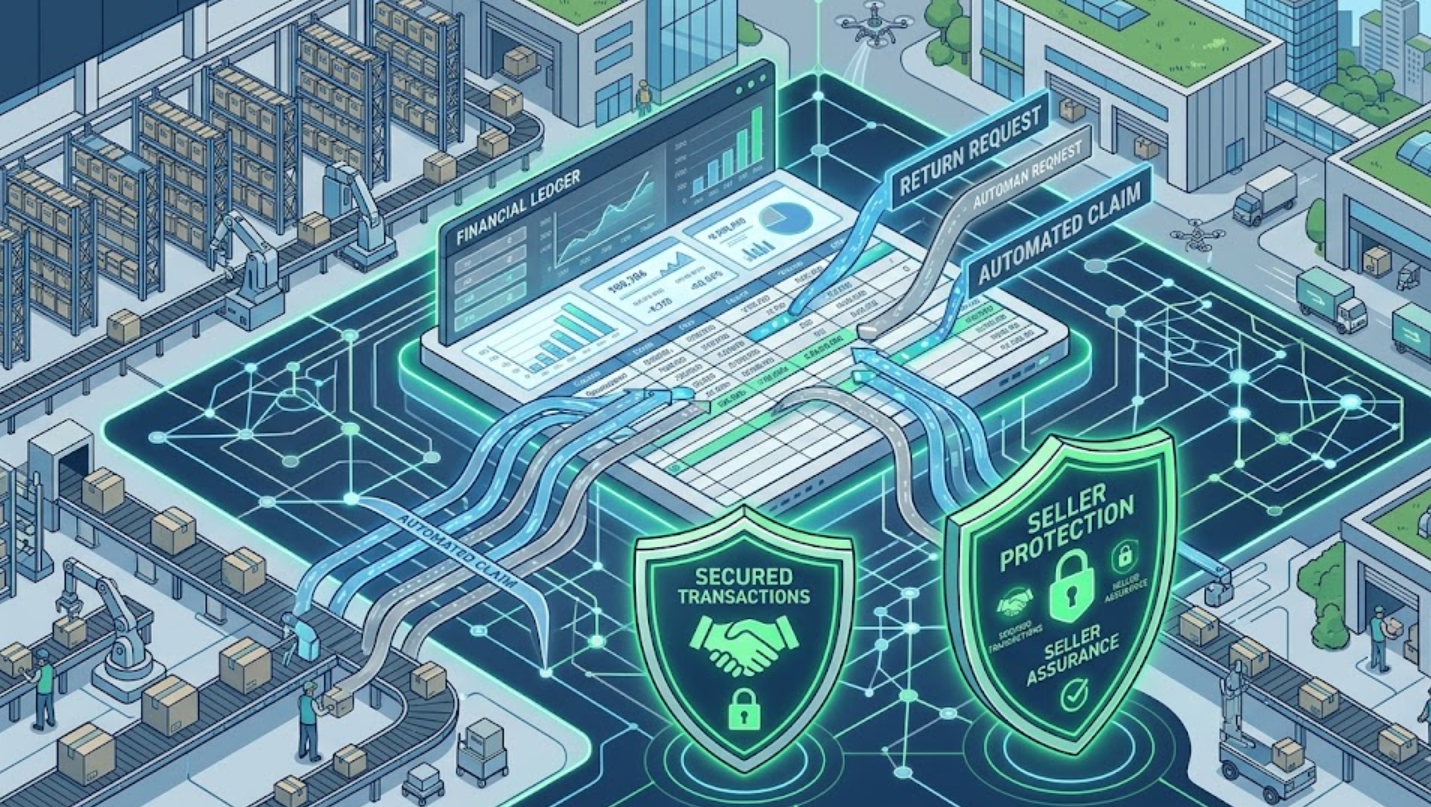
Navigating Amazon's A-to-Z Guarantee: Mitigating Seller-Funded Return Abuse
Amazon's automated A-to-Z Guarantee claims and escalating return abuse present a critical financial challenge for e-commerce sellers, often leading to uninvestigated, seller-funded losses. This trend, exacerbated by strict enforcement of doctrines like the First Sale Rule, necessitates proactive strategies to protect seller profitability. Understanding these dynamics and implementing robust mitigation tactics is essential for sustainable online business operations.
2026-04-29


