

Definition
General Order (GO) is an official status assigned by U.S. Customs and Border Protection (CBP) to imported merchandise that has not been properly documented or formally cleared through Customs within the specified regulatory period. This designation primarily serves as a temporary holding status for goods awaiting final resolution of clearance issues.
Core Process and Timeline
The GO process is strict and time-sensitive. Importers must resolve all documentation discrepancies quickly to avoid accumulating significant costs.
• Initial Hold: If cargo fails to clear Customs, the clock starts ticking immediately upon arrival at the port.
• 15-Day Threshold: If the imported goods remain uncleared after 15 calendar days from their arrival date, they are formally declared General Order.
• GO Warehouse Transfer: Once declared GO, the goods are mandatorily transferred from the port of entry to a designated General Order warehouse, which is a type of U.S. Customs bonded facility.
• Cost Responsibility: The importer is fully responsible for all costs associated with transportation to the GO warehouse and the subsequent storage fees. These storage fees are significantly higher than standard commercial storage rates.
• Auction/Confiscation: If the merchandise remains under General Order status for more than six months, U.S. Customs will put the goods up for public auction or, in some cases, confiscate them entirely. These auctions are frequently held online or at local public venues.
Expert Advice for Importers
Avoiding GO status is paramount to maintaining supply chain efficiency and profitability. High storage costs can quickly erase profit margins and lead to loss of inventory.
• Prioritize Documentation: Ensure all required paperwork (e.g., commercial invoice, packing list, bill of lading, specific permits) is accurate and submitted well in advance of the vessel’s arrival.
• Utilize Customs Brokers: Engaging an experienced licensed Customs Broker ensures proactive management of the entry process, mitigating the risks of procedural errors or delays that lead to GO.
• Monitor Arrival Notices: Closely track the cargo's location and estimated time of arrival to ensure entry can be filed and released within the 15-day window.
Key Takeaways
• General Order status is a direct result of uncleared cargo after 15 days.
• The costs (transportation and exorbitant storage) are borne solely by the importer.
• Unresolved GO status after six months leads to mandated auction or confiscation by CBP.
-

Navigating Amazon's Account Level Reserve (ALR) and Cash Flow Throttling: A Guide for Sellers
Amazon's Account Level Reserve (ALR) and "Delivery Date + 7 days" (DD+7) disbursement policies are severely impacting seller cash flow, making it challenging to pay suppliers and restock inventory. Understanding these mechanisms is crucial for maintaining financial stability and operational efficiency in e-commerce. Strategic logistics and proactive financial planning can help mitigate these significant funding delays.
2026-05-06
-
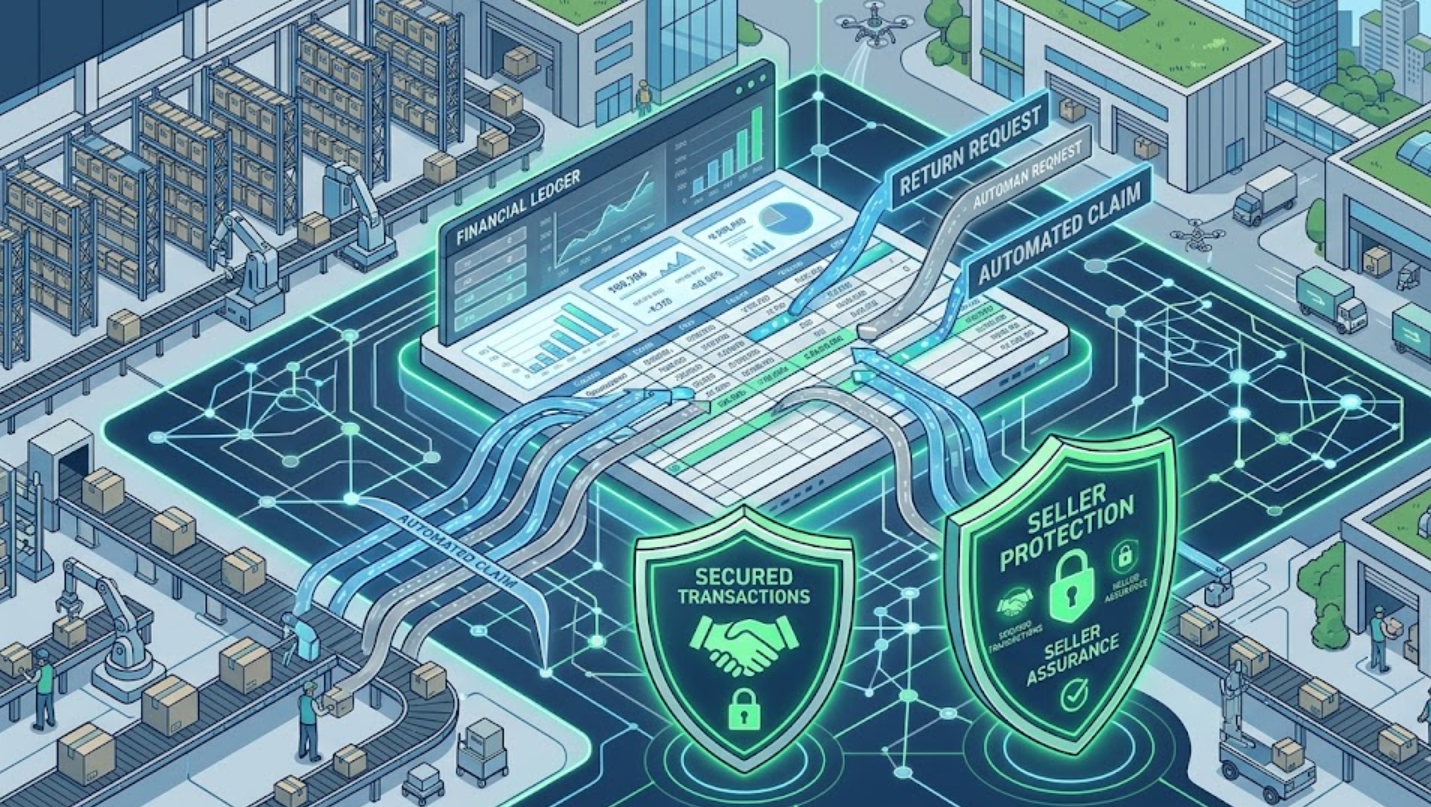
Navigating Amazon's A-to-Z Guarantee: Mitigating Seller-Funded Return Abuse
Amazon's automated A-to-Z Guarantee claims and escalating return abuse present a critical financial challenge for e-commerce sellers, often leading to uninvestigated, seller-funded losses. This trend, exacerbated by strict enforcement of doctrines like the First Sale Rule, necessitates proactive strategies to protect seller profitability. Understanding these dynamics and implementing robust mitigation tactics is essential for sustainable online business operations.
2026-04-29


