

Definition
Gating In refers to the precise moment a shipment physically arrives at the designated port facility and is officially registered or checked in by the terminal operator. This registration confirms that the cargo is available for loading onto the scheduled vessel.
Core Process and Function
The function of Gating In differs slightly based on the type of shipment:
• Full Container Load (FCL) shipments must gate in at the Container Yard (CY) before the designated CY Cut-off time.
• Less than Container Load (LCL) shipments must gate in at the Container Freight Station (CFS) before the designated CFS Cut-off time.
If a shipment misses the required cut-off time, it is usually rolled to the next available sailing, incurring potential delays and often requiring updated booking details and fees.
Crucially, the Gating In step formalizes the booking. Once the cargo has gated in, the quoted freight rate is locked in with the carrier, protecting the shipper from potential last-minute rate increases (e.g., General Rate Increases or Peak Season Surcharges) that might occur before sailing.
Expert Advice
Successful logistics planning hinges on adhering to Gating In schedules. Always build a buffer into your delivery schedule to account for potential road congestion, unexpected delays in drayage, or long queues at the terminal gate. Monitoring real-time terminal traffic is essential, especially during peak shipping seasons, to ensure timely arrival and avoid costly rollovers.
Key Takeaways
• Gating In = Official Check-In.
• Mandatory completion before the facility's cut-off.
• Locks in the carrier’s quoted freight rate.
• Failure to gate in on time results in cargo rollover.
-

Navigating Amazon's Account Level Reserve (ALR) and Cash Flow Throttling: A Guide for Sellers
Amazon's Account Level Reserve (ALR) and "Delivery Date + 7 days" (DD+7) disbursement policies are severely impacting seller cash flow, making it challenging to pay suppliers and restock inventory. Understanding these mechanisms is crucial for maintaining financial stability and operational efficiency in e-commerce. Strategic logistics and proactive financial planning can help mitigate these significant funding delays.
2026-05-06
-
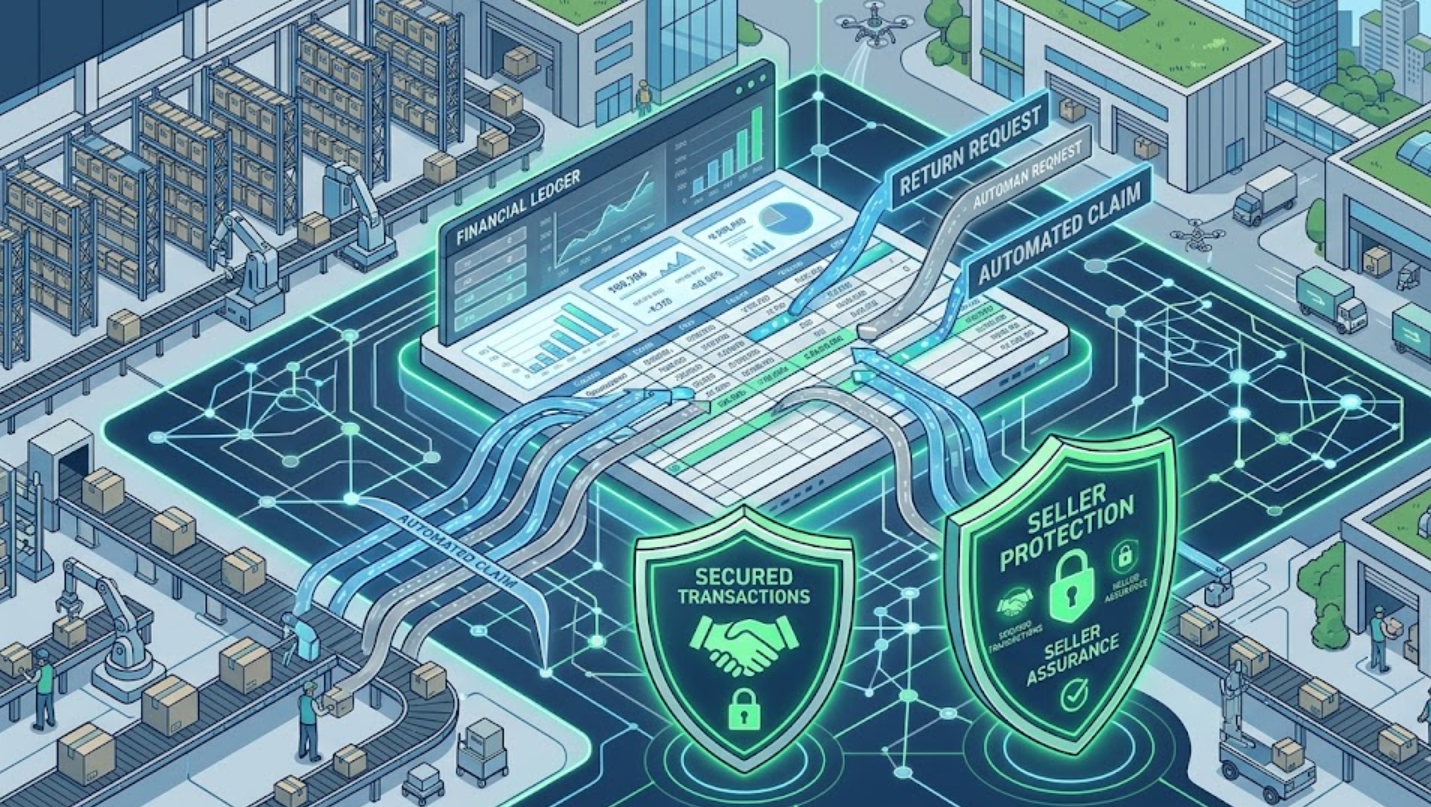
Navigating Amazon's A-to-Z Guarantee: Mitigating Seller-Funded Return Abuse
Amazon's automated A-to-Z Guarantee claims and escalating return abuse present a critical financial challenge for e-commerce sellers, often leading to uninvestigated, seller-funded losses. This trend, exacerbated by strict enforcement of doctrines like the First Sale Rule, necessitates proactive strategies to protect seller profitability. Understanding these dynamics and implementing robust mitigation tactics is essential for sustainable online business operations.
2026-04-29


