

Definition
A forklift, also known as a lift truck or powered industrial truck, is a small, engine-powered vehicle equipped with a pair of steel forks used to elevate and transport materials over short distances. It is the bedrock of modern warehouse operations, enabling the rapid movement and stacking of palletized and non-palletized goods, adhering strictly to OSHA and regulatory safety standards.
Core Function and Applications
The primary function of the forklift is high-volume material handling, specifically relating to loading and unloading trucks, staging inventory, and utilizing vertical space in storage racks. The use of standard pallets allows forklifts to interface seamlessly with cargo, vastly accelerating throughput and turnaround times at shipping docks.
Applications include:
• Loading dock operations (receiving and shipping).
• Stacking inventory in high-density storage systems (e.g., narrow aisle racking).
• Transporting goods between manufacturing stations and storage areas.
• Order picking and replenishment tasks in large distribution centers.
Expert Advice on Fleet Optimization
For logistics consultants, optimizing forklift utilization is crucial for operational efficiency and safety. Fleet management involves selecting the right type of truck (e.g., counterbalance, reach truck, turret truck) based on aisle width, lift height, and load capacity requirements. Routine maintenance schedules and comprehensive operator training are non-negotiable compliance items that directly impact uptime, fuel efficiency, and insurance costs. Investing in electric forklifts requires careful analysis of charging infrastructure and battery swap strategies to maintain continuous operations.
Key Takeaways
• Forklifts are fundamental to achieving high storage density and rapid material throughput.
• Proper operator certification and daily equipment checks minimize safety risks and liability.
• The choice of forklift type must align precisely with facility layout and handling volume needs.
• Integrating fleet telematics can optimize battery life, minimize idle time, and track utilization rates for better asset management.
-

Navigating Amazon's Account Level Reserve (ALR) and Cash Flow Throttling: A Guide for Sellers
Amazon's Account Level Reserve (ALR) and "Delivery Date + 7 days" (DD+7) disbursement policies are severely impacting seller cash flow, making it challenging to pay suppliers and restock inventory. Understanding these mechanisms is crucial for maintaining financial stability and operational efficiency in e-commerce. Strategic logistics and proactive financial planning can help mitigate these significant funding delays.
2026-05-06
-
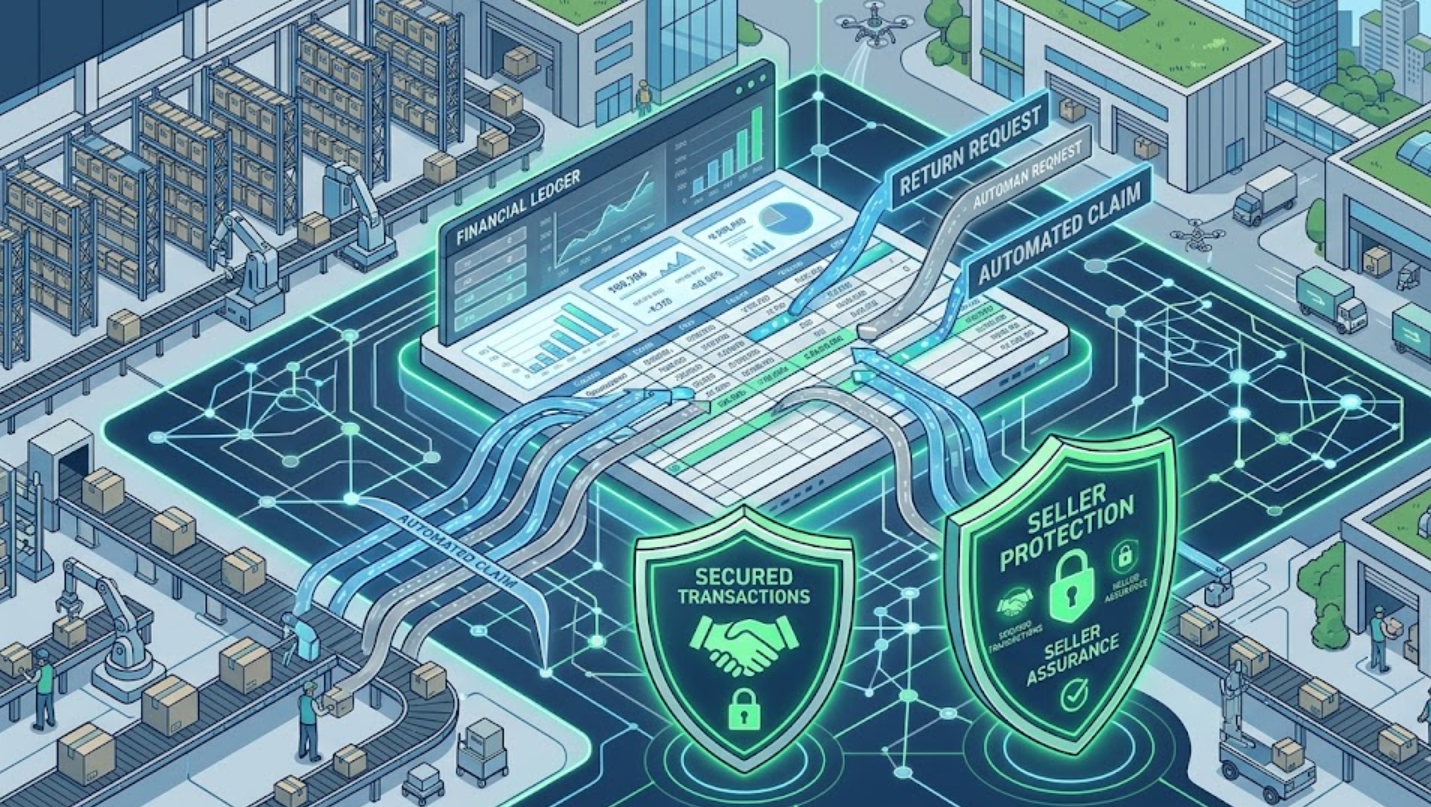
Navigating Amazon's A-to-Z Guarantee: Mitigating Seller-Funded Return Abuse
Amazon's automated A-to-Z Guarantee claims and escalating return abuse present a critical financial challenge for e-commerce sellers, often leading to uninvestigated, seller-funded losses. This trend, exacerbated by strict enforcement of doctrines like the First Sale Rule, necessitates proactive strategies to protect seller profitability. Understanding these dynamics and implementing robust mitigation tactics is essential for sustainable online business operations.
2026-04-29


