

Definition
A Foreign Trade Zone (FTZ) is a secure geographical area "in or adjacent" to a U.S. Port of Entry that is legally considered to be outside of U.S. Customs and Border Protection (CBP) territory. The primary purpose, established by the Foreign Trade Zone Act of 1934, is to allow U.S. enterprises to compete more effectively with foreign manufacturers by delaying the point at which goods are officially imported for duty calculation purposes.
Key Benefits
Utilizing an FTZ provides several strategic advantages for importers and manufacturers:
• Duty Deferral and Reduction: Raw materials or components with high individual duty rates can be assembled or manufactured into a finished product that qualifies for a lower duty rate when imported (often referred to as Inverted Tariff savings).
• Duty Elimination for Exports: Goods brought into an FTZ and subsequently exported do not require duty payment to the U.S. Since no duties were paid, the complex process of duty drawback is eliminated.
• Streamlined CBP Procedures: Shippers can file customs declarations on a weekly basis rather than per shipment. This allows for the maximization of the Merchandise Processing Fee (MPF) payment at $485 on all shipments imported during the zone week.
Implementation Process
Converting an existing facility into an FTZ requires formal application and approval from the FTZ board. This review process is extensive, typically resulting in a 9 to 12 month implementation period before the zone is fully operational. Strict compliance and enhanced security protocols are mandatory.
Logistics and Inventory Liability
CBP requires tight security and robust inventory software capable of providing real-time accountability of all goods moving in and out of the zone. The appointed “Operator” of the FTZ assumes strict liability for the inventory. Customs must ensure that duty is paid on any item leaving the zone for consumption into the United States. Heavy fines are issued by CBP for any unaccounted inventory, making inventory management and security paramount to successful FTZ operation.
-

Navigating Amazon's Account Level Reserve (ALR) and Cash Flow Throttling: A Guide for Sellers
Amazon's Account Level Reserve (ALR) and "Delivery Date + 7 days" (DD+7) disbursement policies are severely impacting seller cash flow, making it challenging to pay suppliers and restock inventory. Understanding these mechanisms is crucial for maintaining financial stability and operational efficiency in e-commerce. Strategic logistics and proactive financial planning can help mitigate these significant funding delays.
2026-05-06
-
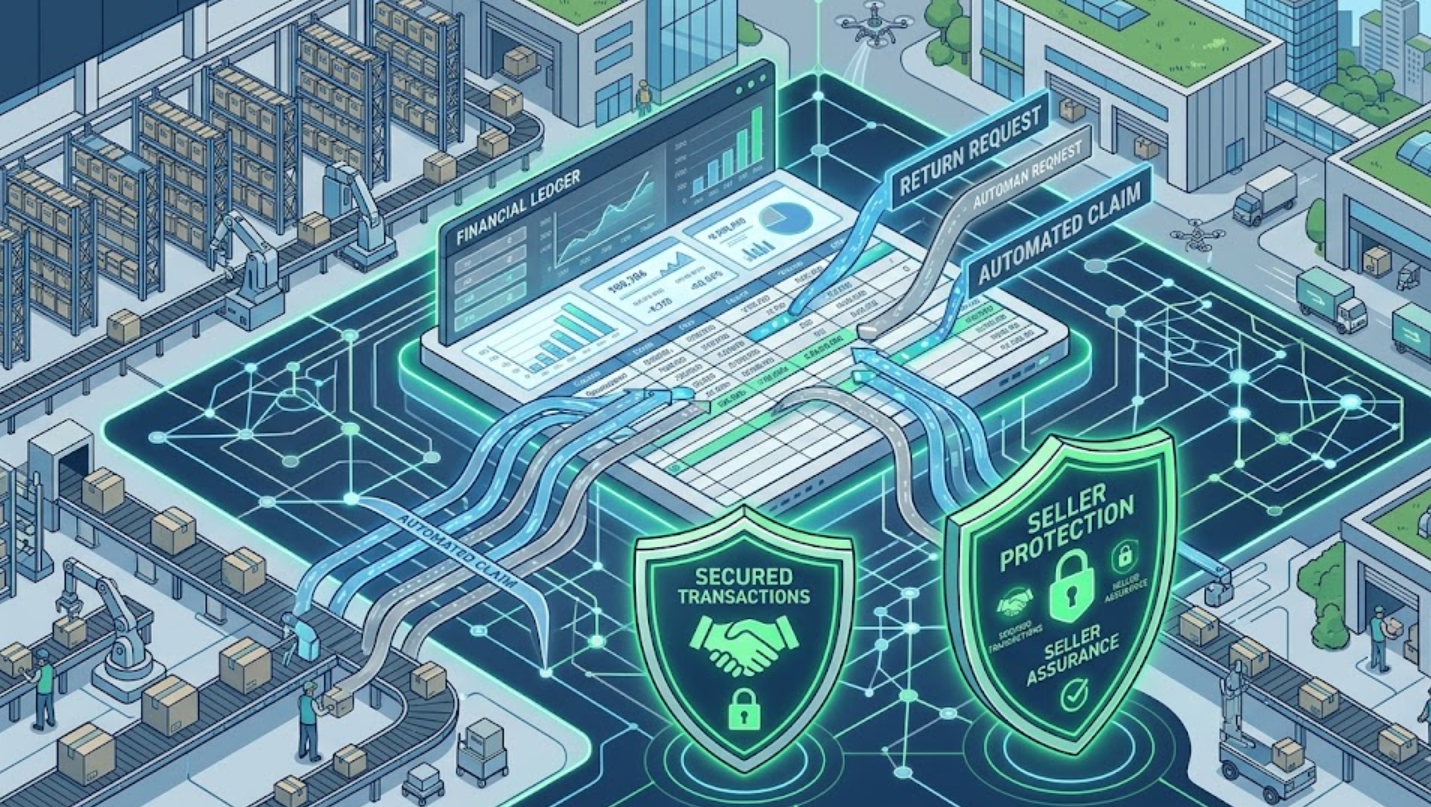
Navigating Amazon's A-to-Z Guarantee: Mitigating Seller-Funded Return Abuse
Amazon's automated A-to-Z Guarantee claims and escalating return abuse present a critical financial challenge for e-commerce sellers, often leading to uninvestigated, seller-funded losses. This trend, exacerbated by strict enforcement of doctrines like the First Sale Rule, necessitates proactive strategies to protect seller profitability. Understanding these dynamics and implementing robust mitigation tactics is essential for sustainable online business operations.
2026-04-29


