

Definition
The Federal Maritime Commission (FMC) is an independent governmental body of the United States tasked with regulating the foreign and inter-coastal ocean commerce that utilizes U.S. ports. The agency acts as the central oversight authority for international waterborne transportation within the U.S. jurisdiction.
Core Function
The FMC's central purpose is to maintain a competitive and transparent environment in ocean transportation. This ensures that the shipping public—shippers, importers, and exporters—are protected from unfair or discriminatory practices by carriers and intermediaries.
The FMC regulates two primary groups:
• Vessel Operating Common Carriers (VOCCs)
• Non-vessel Operating Common Carriers (NVOCCs)
Compliance mechanisms, such as Negotiated Rate Arrangements (NRAs) and service contracts, are monitored by the FMC to ensure adherence to established legal standards and rate transparency.
Expert Advice
For logistics managers, FMC compliance is non-negotiable. Failing to adhere to filing requirements, licensing protocols, and accurate rate declaration (especially for NVOCCs utilizing NRAs) can result in severe fines and operational disruption. It is crucial to vet all logistics partners to confirm they hold valid FMC licenses and adhere strictly to transparency mandates, particularly regarding surcharges and ancillary fees.
Key Takeaways
• The FMC is an independent U.S. agency regulating maritime trade at U.S. ports.
• Its primary goal is ensuring fair competition and consumer protection in ocean shipping.
• Both VOCCs and NVOCCs fall under FMC jurisdiction.
• Compliance often involves strict adherence to filed contracts and rate declarations (NRAs).
-

Navigating Amazon's Account Level Reserve (ALR) and Cash Flow Throttling: A Guide for Sellers
Amazon's Account Level Reserve (ALR) and "Delivery Date + 7 days" (DD+7) disbursement policies are severely impacting seller cash flow, making it challenging to pay suppliers and restock inventory. Understanding these mechanisms is crucial for maintaining financial stability and operational efficiency in e-commerce. Strategic logistics and proactive financial planning can help mitigate these significant funding delays.
2026-05-06
-
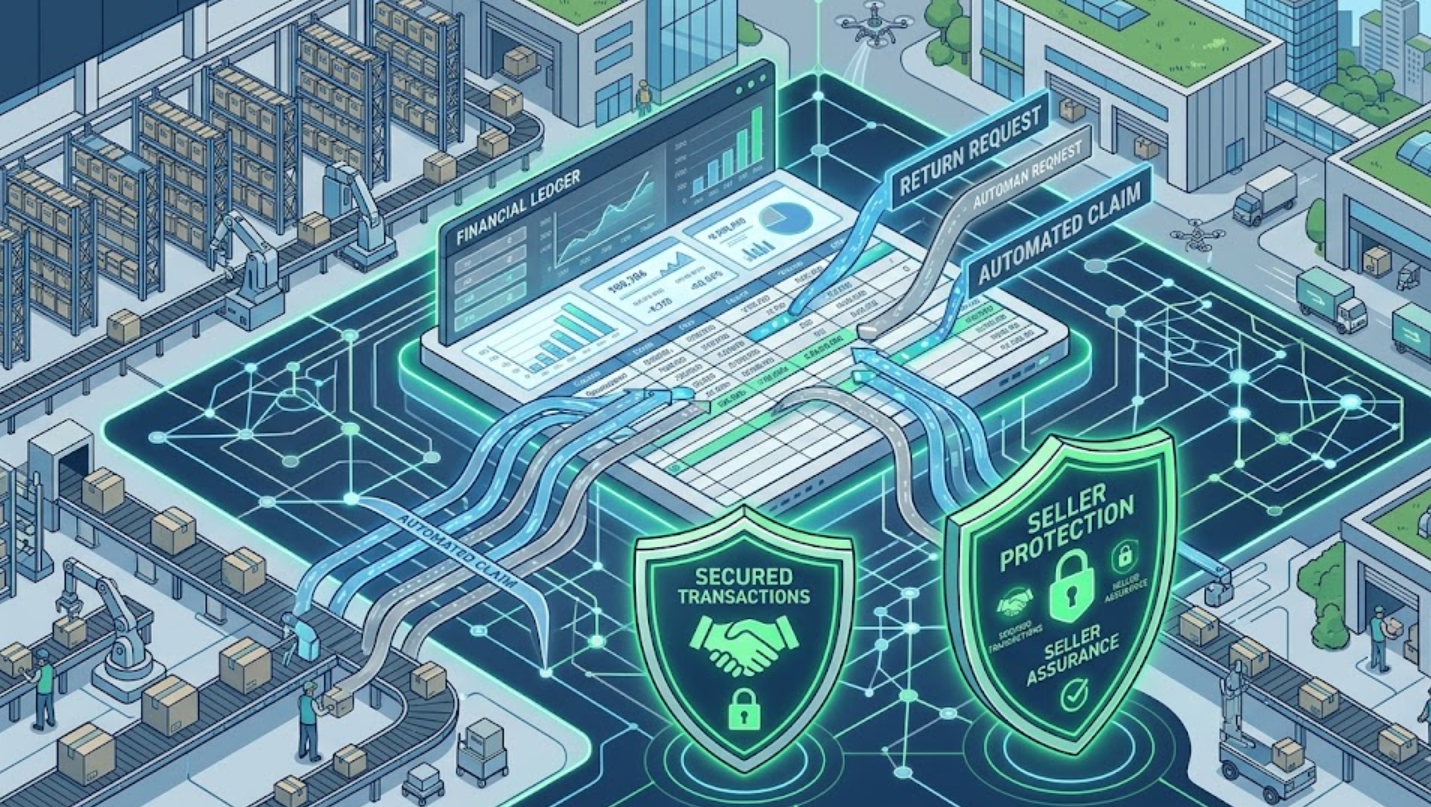
Navigating Amazon's A-to-Z Guarantee: Mitigating Seller-Funded Return Abuse
Amazon's automated A-to-Z Guarantee claims and escalating return abuse present a critical financial challenge for e-commerce sellers, often leading to uninvestigated, seller-funded losses. This trend, exacerbated by strict enforcement of doctrines like the First Sale Rule, necessitates proactive strategies to protect seller profitability. Understanding these dynamics and implementing robust mitigation tactics is essential for sustainable online business operations.
2026-04-29


