

Definition
FTL (Full Truckload) refers to a mode of freight transportation where a single shipper reserves the entire capacity of a truck or trailer for their cargo. The standard equipment used is often a 53-foot dry van trailer.
This service is utilized when the shipment volume is substantial enough to nearly or completely fill the trailer, or when the cargo's characteristics (such as high value or critical transit needs) necessitate dedicated transport.
Core Process
The defining feature of FTL is direct transit. Once the cargo is loaded, the truck proceeds immediately from the origin to the destination address. Unlike Less Than Truckload (LTL) shipping, there are no stops for terminal transfers, sorting, or additional pickups or deliveries along the route.
• Direct routing significantly reduces transit time and minimizes potential risks associated with freight handling.
• FTL ensures guaranteed capacity availability, as the carrier is dedicated entirely to one shipper’s needs during the route duration.
• In specialized scenarios, such as final mile delivery to a residence, a full container may be transloaded into an FTL trailer to meet specific delivery or access requirements.
Expert Advice
When evaluating FTL, always factor the total landed cost against the transit time guarantees. If you are consistently utilizing more than 80% of the trailer capacity, FTL is highly cost-effective compared to combining multiple LTL shipments. Ensure that the cargo count matches the bill of lading exactly before the driver seals the trailer to prevent costly delays or disputes at the receiving dock.
Key Takeaways
FTL provides the fastest and most secure ground transportation available for large shipments. By eliminating stops and transfers, Logicmile clients achieve predictable scheduling and superior control over their high-value freight.
-

Navigating Amazon's Account Level Reserve (ALR) and Cash Flow Throttling: A Guide for Sellers
Amazon's Account Level Reserve (ALR) and "Delivery Date + 7 days" (DD+7) disbursement policies are severely impacting seller cash flow, making it challenging to pay suppliers and restock inventory. Understanding these mechanisms is crucial for maintaining financial stability and operational efficiency in e-commerce. Strategic logistics and proactive financial planning can help mitigate these significant funding delays.
2026-05-06
-
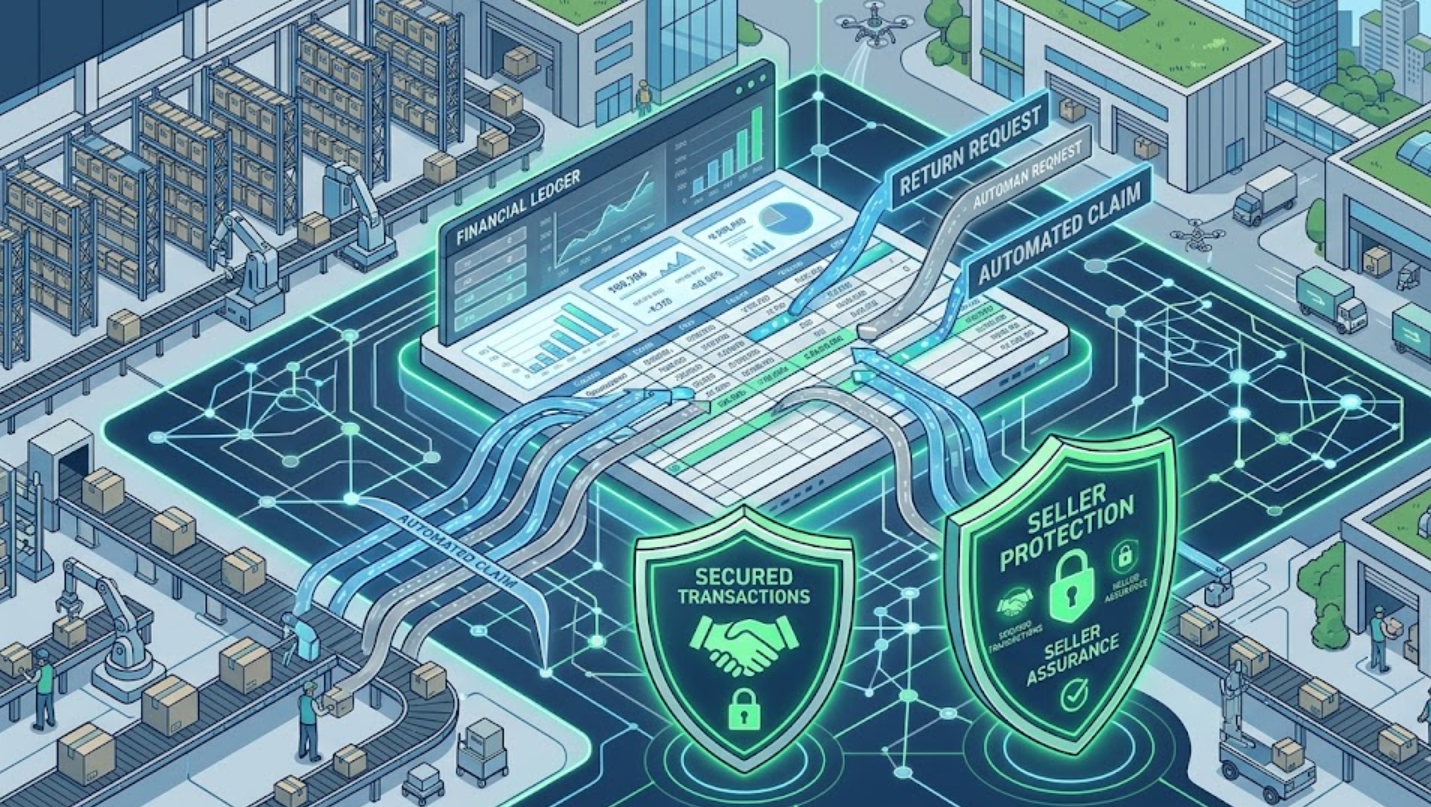
Navigating Amazon's A-to-Z Guarantee: Mitigating Seller-Funded Return Abuse
Amazon's automated A-to-Z Guarantee claims and escalating return abuse present a critical financial challenge for e-commerce sellers, often leading to uninvestigated, seller-funded losses. This trend, exacerbated by strict enforcement of doctrines like the First Sale Rule, necessitates proactive strategies to protect seller profitability. Understanding these dynamics and implementing robust mitigation tactics is essential for sustainable online business operations.
2026-04-29


