

Definition
FOB (Free on Board) is one of the Incoterms 2020 rules, intended specifically for non-containerized ocean or inland waterway transport. It mandates that the seller is responsible for delivering the goods and clearing them for export, bearing all costs and risks until the shipment is physically placed on board the vessel at the agreed port of loading.
Core Transfer Point
The critical characteristic of FOB is the precise moment the liability shifts.
• Seller's Responsibility: Export clearance, delivery to the port, and physically loading the goods onto the vessel.
• Transfer of Risk and Cost: Once the goods cross the ship’s rail at the named port of shipment, all risk and subsequent costs (e.g., main carriage, insurance, import duties) become the buyer's responsibility.
Expert Advice
While commonly used, FOB is often misused for containerized freight (FCL/LCL). Logicmile strongly advises against using FOB when goods are delivered to a Container Freight Station (CFS) or Container Yard (CY) for consolidation, as the seller loses control over the risk transfer point.
For modern containerized shipments where goods are handed over to the carrier prior to loading (e.g., at a terminal gate), the Incoterm FCA (Free Carrier) is the legally appropriate and safer alternative. FOB should be reserved strictly for bulk or breakbulk cargo delivered directly to the ship. Ultimately, both the buyer and seller must explicitly agree on the terms of cost and risk before the shipment commences to prevent costly disputes.
Key Takeaways
• Use FOB only for ocean transport.
• Risk transfers when goods cross the ship's rail.
• Seller handles export clearance and loading.
• Buyer assumes main carriage costs and risk immediately after loading.
• FCA is recommended for all standard container shipments.
-

Navigating Amazon's Account Level Reserve (ALR) and Cash Flow Throttling: A Guide for Sellers
Amazon's Account Level Reserve (ALR) and "Delivery Date + 7 days" (DD+7) disbursement policies are severely impacting seller cash flow, making it challenging to pay suppliers and restock inventory. Understanding these mechanisms is crucial for maintaining financial stability and operational efficiency in e-commerce. Strategic logistics and proactive financial planning can help mitigate these significant funding delays.
2026-05-06
-
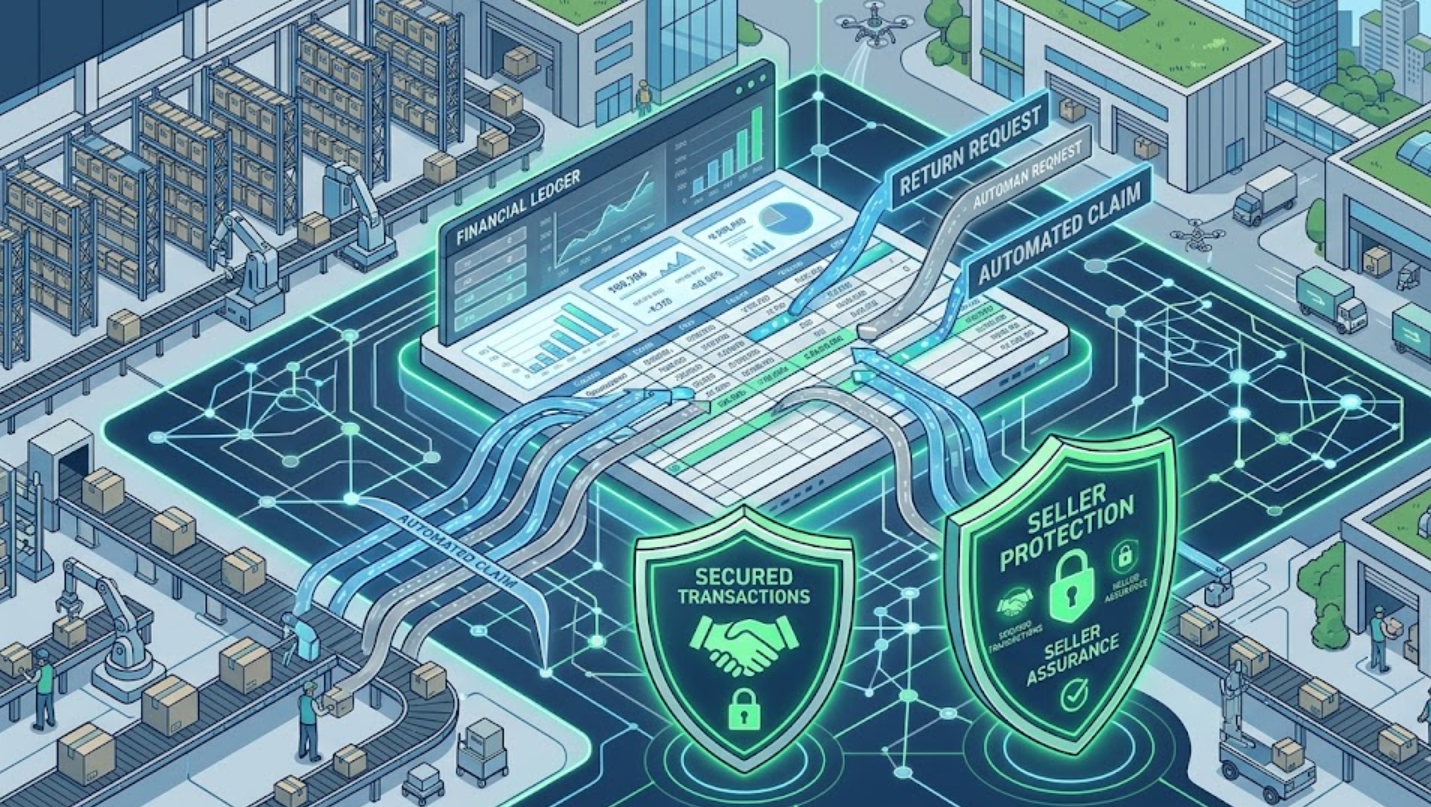
Navigating Amazon's A-to-Z Guarantee: Mitigating Seller-Funded Return Abuse
Amazon's automated A-to-Z Guarantee claims and escalating return abuse present a critical financial challenge for e-commerce sellers, often leading to uninvestigated, seller-funded losses. This trend, exacerbated by strict enforcement of doctrines like the First Sale Rule, necessitates proactive strategies to protect seller profitability. Understanding these dynamics and implementing robust mitigation tactics is essential for sustainable online business operations.
2026-04-29


