

Definition
The Food and Drug Administration (FDA) is a Partner Government Agency (PGA) essential for regulating various products—including biological products, medical devices, food, and cosmetics—to ensure their safety, security, and efficacy for the US public. The FDA holds imported products to the exact same rigorous standards as domestically produced goods under the Federal Food, Drug and Cosmetic Act.
Compliance and Enforcement
All imported FDA-regulated goods undergo review for compliance. If a shipment fails to meet standards or requires further examination, the FDA may issue an FDA hold. This is a type of customs hold placed after initial review.
Once a hold is placed, the agency may:
• Review and release the shipment.
• Request additional documentation or information.
• Inspect the cargo physically.
• Detain the goods if they fail to meet appropriate standards, potentially refusing entry.
Regulated Product Categories
Importers must be aware that the FDA regulates a wide range of products, including:
• Human foods
• Human drugs
• Vaccines, blood, and biologics
• Medical devices
• Radiation-emitting electronic products (e.g. LED lights)
• Cosmetics
• Animal and veterinary products
• Tobacco products
Expert Compliance Advice
Due to the complexity and strict requirements associated with FDA import clearance, most importers hire experienced customs brokers. A skilled broker assists with pre-filing requirements, documentation management, and expediting the release process, significantly minimizing the risk of costly FDA holds and detentions.
-

Navigating Amazon's Account Level Reserve (ALR) and Cash Flow Throttling: A Guide for Sellers
Amazon's Account Level Reserve (ALR) and "Delivery Date + 7 days" (DD+7) disbursement policies are severely impacting seller cash flow, making it challenging to pay suppliers and restock inventory. Understanding these mechanisms is crucial for maintaining financial stability and operational efficiency in e-commerce. Strategic logistics and proactive financial planning can help mitigate these significant funding delays.
2026-05-06
-
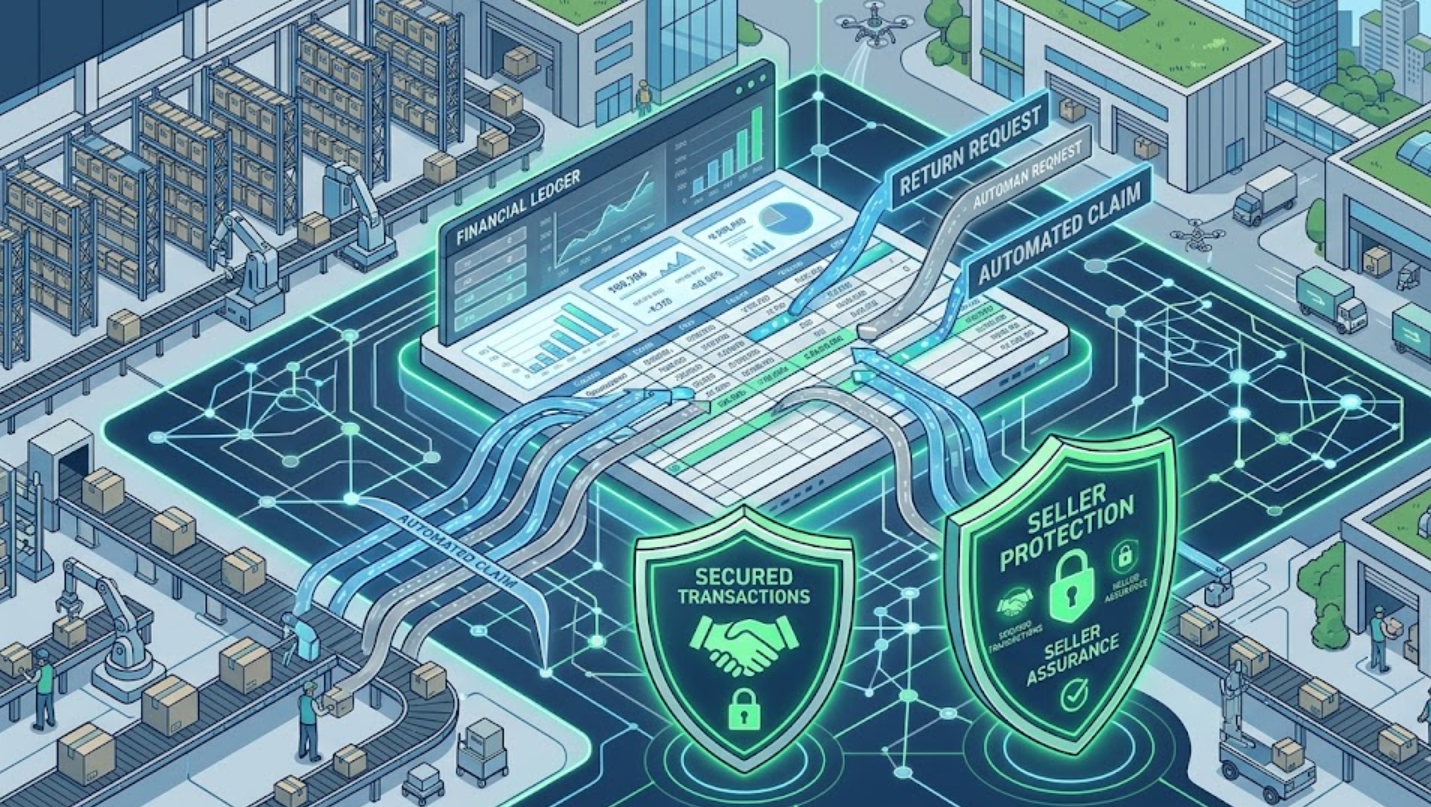
Navigating Amazon's A-to-Z Guarantee: Mitigating Seller-Funded Return Abuse
Amazon's automated A-to-Z Guarantee claims and escalating return abuse present a critical financial challenge for e-commerce sellers, often leading to uninvestigated, seller-funded losses. This trend, exacerbated by strict enforcement of doctrines like the First Sale Rule, necessitates proactive strategies to protect seller profitability. Understanding these dynamics and implementing robust mitigation tactics is essential for sustainable online business operations.
2026-04-29


