

Definition
FCL (Full Container Load) is the designation for an ocean shipment in which a single shipper's cargo occupies the entirety of a shipping container. The container can be any standard size (20', 40', High Cube, etc.).
Unlike LCL (Less than Container Load), where multiple shippers share space within a container, FCL shipments provide dedicated space, often resulting in faster transit times and less risk of damage or misplacement due to fewer handling steps.
Core Process and Function
An FCL shipment follows a specific logistics process, which begins at the supplier's location and ends at the consignee:
• Stuffing: The container is loaded directly at the supplier's site or designated staging area.
• Drayage to CY: The stuffed container is then trucked to the Container Yard (CY) at the origin port.
• Ocean Transit: The container is sealed and loaded onto the vessel.
• Destination Delivery: The container is drayed from the destination CY to the consignee. Delivery can be managed through a live unload (trucker waits) or a drop (container is left for subsequent pickup).
Charging Structure
FCL shipments are charged at a flat rate per container. The rate varies based on the container size (e.g., 20' vs. 40' High Cube) and the specific ocean route and market conditions.
Common Container Sizes
The most commonly used container types for FCL cargo include:
• 20' container
• 40' container
• 40' HC (High Cube) container
• 45' HC (High Cube) container
Expert Advice
For Logicmile clients, we emphasize that FCL should be the preferred choice when cargo volume exceeds 10 to 14 cubic meters, as the cost efficiencies quickly outweigh LCL charges. Always focus on maximizing the container's usable volume to achieve the lowest possible cost per unit shipped.
-

Navigating Amazon's Account Level Reserve (ALR) and Cash Flow Throttling: A Guide for Sellers
Amazon's Account Level Reserve (ALR) and "Delivery Date + 7 days" (DD+7) disbursement policies are severely impacting seller cash flow, making it challenging to pay suppliers and restock inventory. Understanding these mechanisms is crucial for maintaining financial stability and operational efficiency in e-commerce. Strategic logistics and proactive financial planning can help mitigate these significant funding delays.
2026-05-06
-
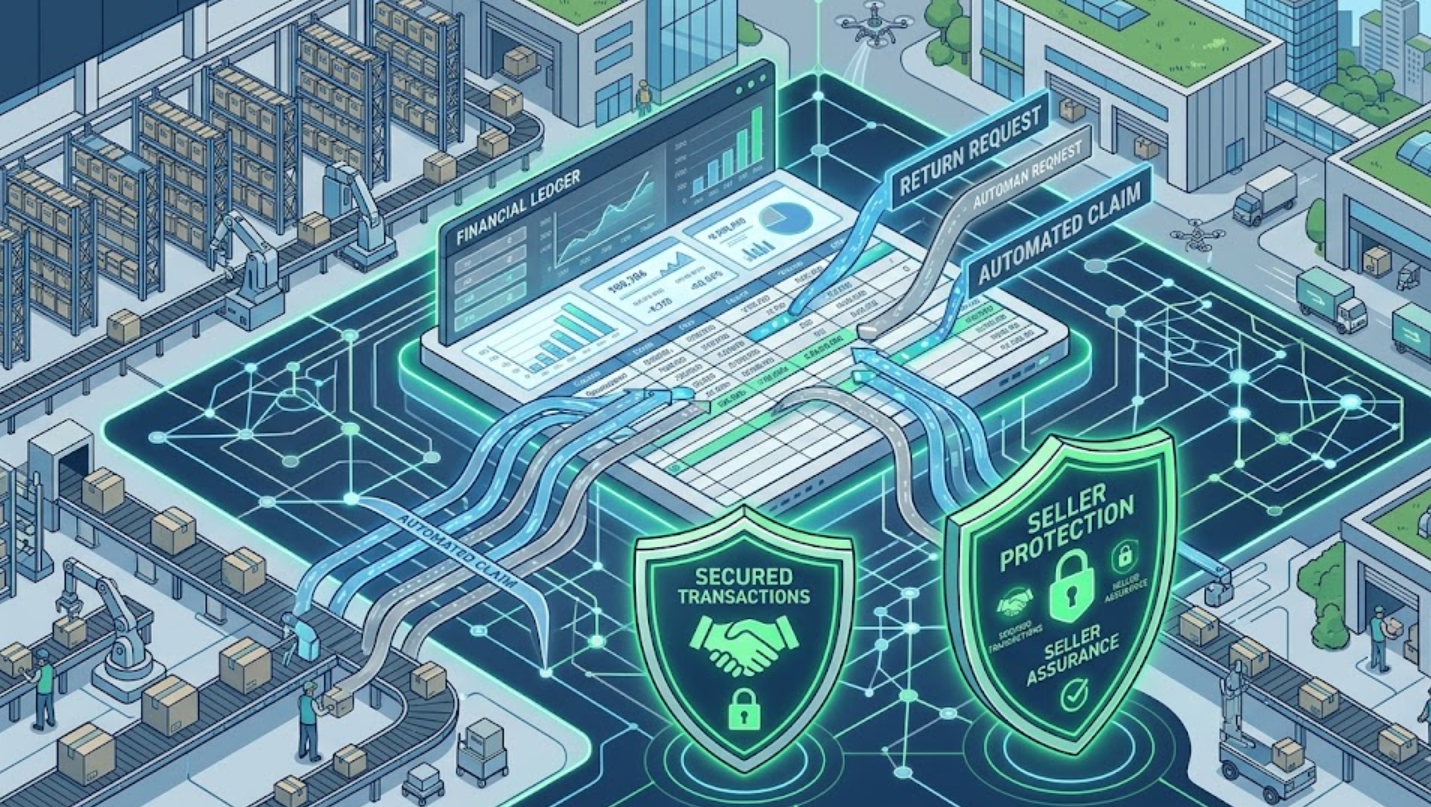
Navigating Amazon's A-to-Z Guarantee: Mitigating Seller-Funded Return Abuse
Amazon's automated A-to-Z Guarantee claims and escalating return abuse present a critical financial challenge for e-commerce sellers, often leading to uninvestigated, seller-funded losses. This trend, exacerbated by strict enforcement of doctrines like the First Sale Rule, necessitates proactive strategies to protect seller profitability. Understanding these dynamics and implementing robust mitigation tactics is essential for sustainable online business operations.
2026-04-29


