

Definition
FCA (Free Carrier) is a core Incoterm (per 2020 Incoterms®) that stipulates the seller must clear the goods for export and deliver them to the buyer at a specific, named location. This delivery location determines the point where cost and risk transfer from the seller to the buyer. For clarity, the delivery location must always be specified, such as “FCA, Name of Origin CFS.”
Core Process and Responsibilities
The FCA rule is highly versatile and applicable to all modes of transport, including Less than Container Load (LCL), Full Container Load (FCL), and air freight.
The seller's responsibilities shift based on the agreed-upon delivery point:
If the delivery occurs at the seller’s premises, the seller is responsible for the cost and risk associated with loading the cargo onto the transport provided by the buyer.
If delivery occurs at another named place (like a Container Freight Station or Container Yard), the seller is responsible for preparing the goods for unloading, but the seller is not responsible for the actual unloading process at that point.
Incoterms 2020 Update: Onboard Bill of Lading
A significant addition was introduced in Incoterms® 2020 to address a common practical issue. Historically, many sellers incorrectly used FOB when they actually preferred FCA, simply because banks required an onboard Bill of Lading (B/L) for Letter of Credit (L/C) payments.
The new FCA provision solves this by allowing the buyer to instruct the carrier to issue a transport document (a Bill of Lading stating the goods have been loaded) to the seller, provided the parties agree to this arrangement. This Bill of Lading with an onboard notation is issued by the carrier at the instruction, cost, and risk of the buyer.
Expert Advice
While the Incoterms provide guidelines, it is fundamentally up to the buyer and the seller to clearly and contractually agree on the specific responsibilities for cost and risk transfer before the shipment is initiated.
Key Takeaways
• Seller clears goods for export.
• Risk transfers upon delivery at the named location.
• Applicable to all modes of transport.
• New Incoterms 2020 provision allows for onboard Bill of Lading (B/L) issuance under buyer instruction to satisfy Letter of Credit requirements.
-

Navigating Amazon's Account Level Reserve (ALR) and Cash Flow Throttling: A Guide for Sellers
Amazon's Account Level Reserve (ALR) and "Delivery Date + 7 days" (DD+7) disbursement policies are severely impacting seller cash flow, making it challenging to pay suppliers and restock inventory. Understanding these mechanisms is crucial for maintaining financial stability and operational efficiency in e-commerce. Strategic logistics and proactive financial planning can help mitigate these significant funding delays.
2026-05-06
-
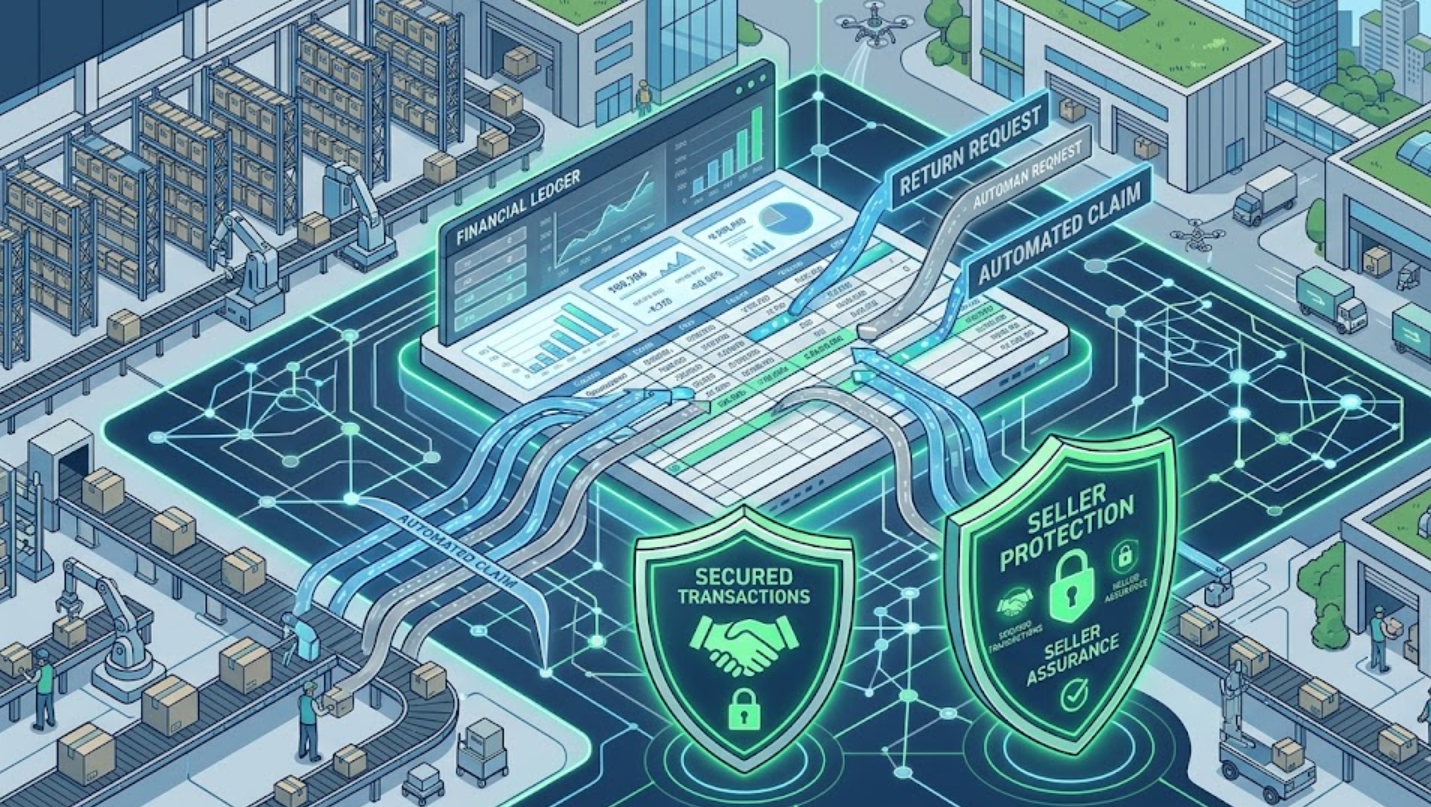
Navigating Amazon's A-to-Z Guarantee: Mitigating Seller-Funded Return Abuse
Amazon's automated A-to-Z Guarantee claims and escalating return abuse present a critical financial challenge for e-commerce sellers, often leading to uninvestigated, seller-funded losses. This trend, exacerbated by strict enforcement of doctrines like the First Sale Rule, necessitates proactive strategies to protect seller profitability. Understanding these dynamics and implementing robust mitigation tactics is essential for sustainable online business operations.
2026-04-29


