

Definition
An FBA ID is a unique alphanumeric code generated within Amazon Seller Central during the shipment creation workflow. It serves as the primary reference number for Amazon to identify a specific box, pallet, or container belonging to a single planned delivery arriving at a designated Amazon fulfillment center (FC).
Crucially, if a seller’s shipment planning results in the inventory being split across three different geographic FC locations—for efficiency or regulatory compliance—three distinct FBA IDs will be generated, one for each destination.
Core Function and Role in Logistics
The FBA ID plays a vital role in ensuring inventory accuracy and minimizing receiving delays. It directly links the physical inventory being shipped to the digital shipment plan created in Seller Central.
• Tracking Integrity: When a carrier scans the shipping label attached to the physical boxes, the FBA ID embedded in that label tells Amazon exactly which virtual shipment plan the goods belong to.
• Inventory Management: It facilitates the accurate transfer of units from the 'In Transit' status to the 'Receiving' and subsequently 'Sellable' status once scanned into the FC.
• Discrepancy Resolution: If units are missing or miscounted upon arrival, the FBA ID is the reference point used to file and investigate shipment reconciliation claims (SRC).
Expert Advice for Seamless FBA Operations
For logistics managers overseeing high-volume FBA operations, treating the FBA ID as the fundamental unit of tracking is essential, not the overall shipment plan ID.
• Do Not Merge Split Shipments: Always follow Amazon's instructions regarding distributed inventory. If two FCs are assigned different FBA IDs (e.g., FBA ID A to DEN2, FBA ID B to CLT1), they must be shipped separately, even if using the same LTL carrier. Merging them will cause massive receiving errors.
• Label Verification: Before dispatch, verify that the Amazon FBA box labels—which contain the FBA ID—are correctly affixed and not obscured. Use high-quality printers to ensure barcodes are easily scannable upon arrival.
• LTL Bill of Lading (BOL) Integration: Ensure the FBA ID (or IDs, if a multi-stop LTL delivery) is clearly referenced on the Bill of Lading provided to the carrier to prevent confusion at the carrier dock appointment stage.
Key Takeaways
• The FBA ID is unique to a single shipment destination, even if multiple destinations stem from one plan.
• It is required for carrier scheduling and FC appointment setting.
• It is the primary identifier used for resolving reconciliation issues.
-

Navigating Amazon's Account Level Reserve (ALR) and Cash Flow Throttling: A Guide for Sellers
Amazon's Account Level Reserve (ALR) and "Delivery Date + 7 days" (DD+7) disbursement policies are severely impacting seller cash flow, making it challenging to pay suppliers and restock inventory. Understanding these mechanisms is crucial for maintaining financial stability and operational efficiency in e-commerce. Strategic logistics and proactive financial planning can help mitigate these significant funding delays.
2026-05-06
-
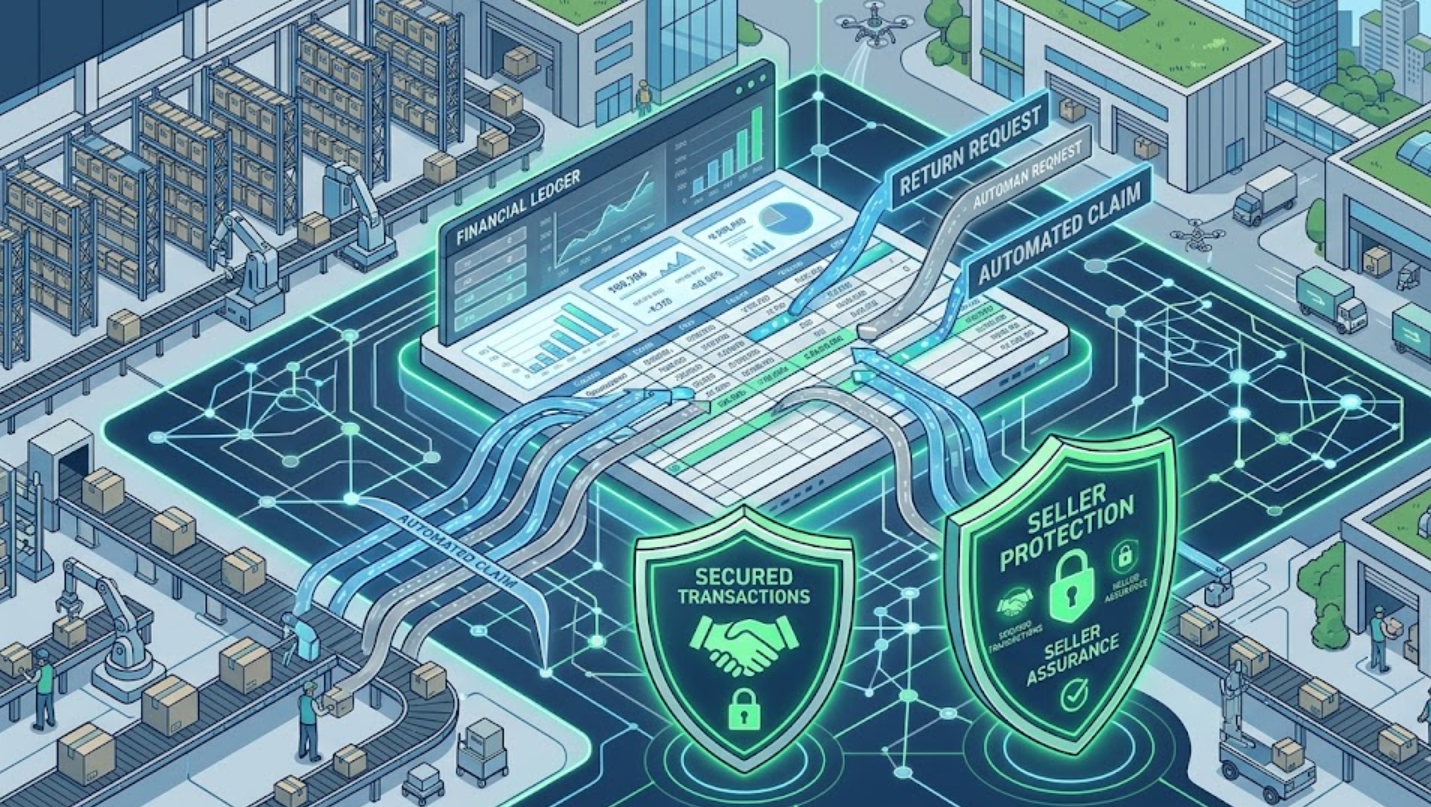
Navigating Amazon's A-to-Z Guarantee: Mitigating Seller-Funded Return Abuse
Amazon's automated A-to-Z Guarantee claims and escalating return abuse present a critical financial challenge for e-commerce sellers, often leading to uninvestigated, seller-funded losses. This trend, exacerbated by strict enforcement of doctrines like the First Sale Rule, necessitates proactive strategies to protect seller profitability. Understanding these dynamics and implementing robust mitigation tactics is essential for sustainable online business operations.
2026-04-29


