

Definition
Fulfillment by Amazon (FBA) is an Amazon service enabling third-party sellers (3P) to outsource inventory storage, order fulfillment, and core customer service tasks directly to Amazon. It allows sellers to scale rapidly by leveraging Amazon’s vast logistics network and fulfillment centers globally.
Core Process
The FBA process begins when a seller ships inventory to one or more designated Amazon fulfillment centers. Amazon stores the inventory and manages its internal placement. When a customer purchases the product, Amazon handles the entire fulfillment cycle: picking the item from storage, professional packing, shipping (often qualifying the product for Amazon Prime benefits), and managing all post-sale customer service and returns.
Expert Advice
While FBA offers unparalleled speed and reach, sellers must meticulously manage inventory forecasting and storage fees. Excess inventory housed in Amazon warehouses incurs substantial long-term storage penalties, significantly impacting profitability. Logicmile advises integrating FBA data with robust supply chain planning systems to maintain optimal stock levels (just-in-time) and constantly evaluate the cost-benefit analysis versus FBM (Fulfillment by Merchant) for slower-moving SKUs.
Key Takeaways
• FBA guarantees Prime eligibility, driving conversion rates and customer trust.
• It simplifies international shipping complexity for small to medium businesses.
• Sellers forfeit control over packaging design and presentation.
• Cost effectiveness relies heavily on maintaining a consistently high inventory turnover rate.
-

Navigating Amazon's Account Level Reserve (ALR) and Cash Flow Throttling: A Guide for Sellers
Amazon's Account Level Reserve (ALR) and "Delivery Date + 7 days" (DD+7) disbursement policies are severely impacting seller cash flow, making it challenging to pay suppliers and restock inventory. Understanding these mechanisms is crucial for maintaining financial stability and operational efficiency in e-commerce. Strategic logistics and proactive financial planning can help mitigate these significant funding delays.
2026-05-06
-
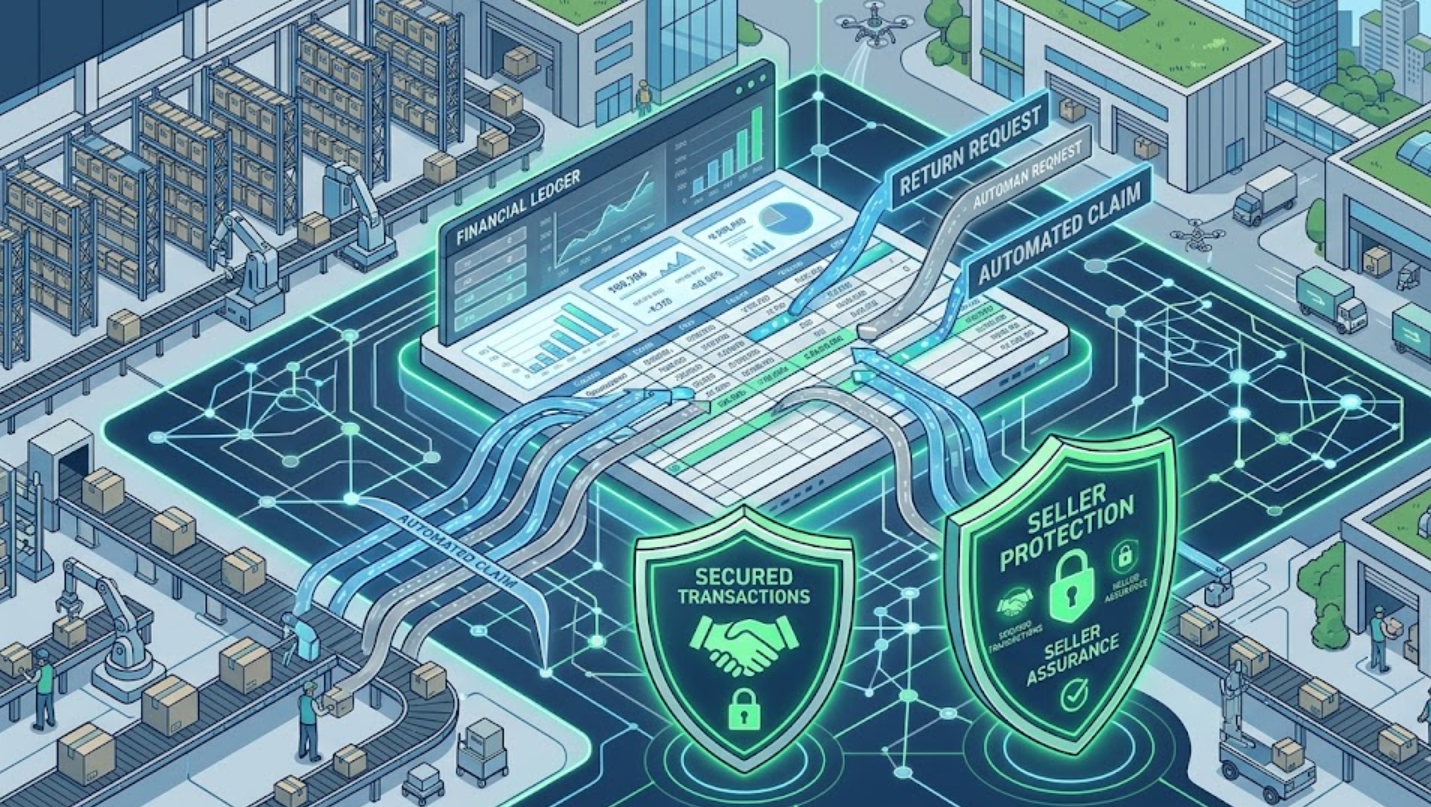
Navigating Amazon's A-to-Z Guarantee: Mitigating Seller-Funded Return Abuse
Amazon's automated A-to-Z Guarantee claims and escalating return abuse present a critical financial challenge for e-commerce sellers, often leading to uninvestigated, seller-funded losses. This trend, exacerbated by strict enforcement of doctrines like the First Sale Rule, necessitates proactive strategies to protect seller profitability. Understanding these dynamics and implementing robust mitigation tactics is essential for sustainable online business operations.
2026-04-29


