

Definition
An Express Bill of Lading (B/L) is a shipping document that legally obligates the carrier to deliver the specified goods directly to the named consignee. Unlike a standard Original Bill of Lading (OBL), an Express B/L means that no physical originals are ever issued.
This document is explicitly non-negotiable and does not serve as a document of title to the goods. Title transfer must be handled separately, typically defined within the commercial sales contract between the buyer and seller.
Core Function and Process
The primary function of the Express B/L is to accelerate the import clearance and delivery process. Because no OBLs are issued, the importer does not need to physically surrender documentation to the carrier to obtain the cargo release. This eliminates the standard delay associated with sending physical documents via courier.
This method is particularly valuable in time-sensitive shipping lanes or when the transit time is very short, ensuring the goods are ready for pickup immediately upon vessel arrival, reducing potential demurrage charges.
When to Use an Express Bill of Lading
The Express B/L should only be utilized under conditions of high trust and low financial risk.
• The importer has completed payment for the goods prior to the shipment sailing.
• The importer has an established credit relationship or history with the supplier (shipper).
• When the shipper and consignee belong to the same parent corporation or are subsidiaries.
• When the need for speed outweighs the need for strict financial control via negotiable documents.
Expert Advice and Key Takeaways
While the Express B/L offers speed and cost savings by eliminating mail courier fees and streamlining release, it completely bypasses the negotiable function of a traditional B/L.
Logicmile Consulting strongly advises shippers only to use Express B/Ls after receiving full payment for the cargo. Once the cargo sails under an Express B/L, the shipper loses the traditional control mechanism—the ability to hold the physical B/L as security until payment is confirmed.
Key Takeaways:
• Express B/Ls are non-negotiable and not documents of title.
• They eliminate the need for Original Bills of Lading (OBLs).
• Cargo release is expedited, reducing delays and courier costs.
• Only use when payment is secured or high trust exists between parties.
-

Navigating Amazon's Account Level Reserve (ALR) and Cash Flow Throttling: A Guide for Sellers
Amazon's Account Level Reserve (ALR) and "Delivery Date + 7 days" (DD+7) disbursement policies are severely impacting seller cash flow, making it challenging to pay suppliers and restock inventory. Understanding these mechanisms is crucial for maintaining financial stability and operational efficiency in e-commerce. Strategic logistics and proactive financial planning can help mitigate these significant funding delays.
2026-05-06
-
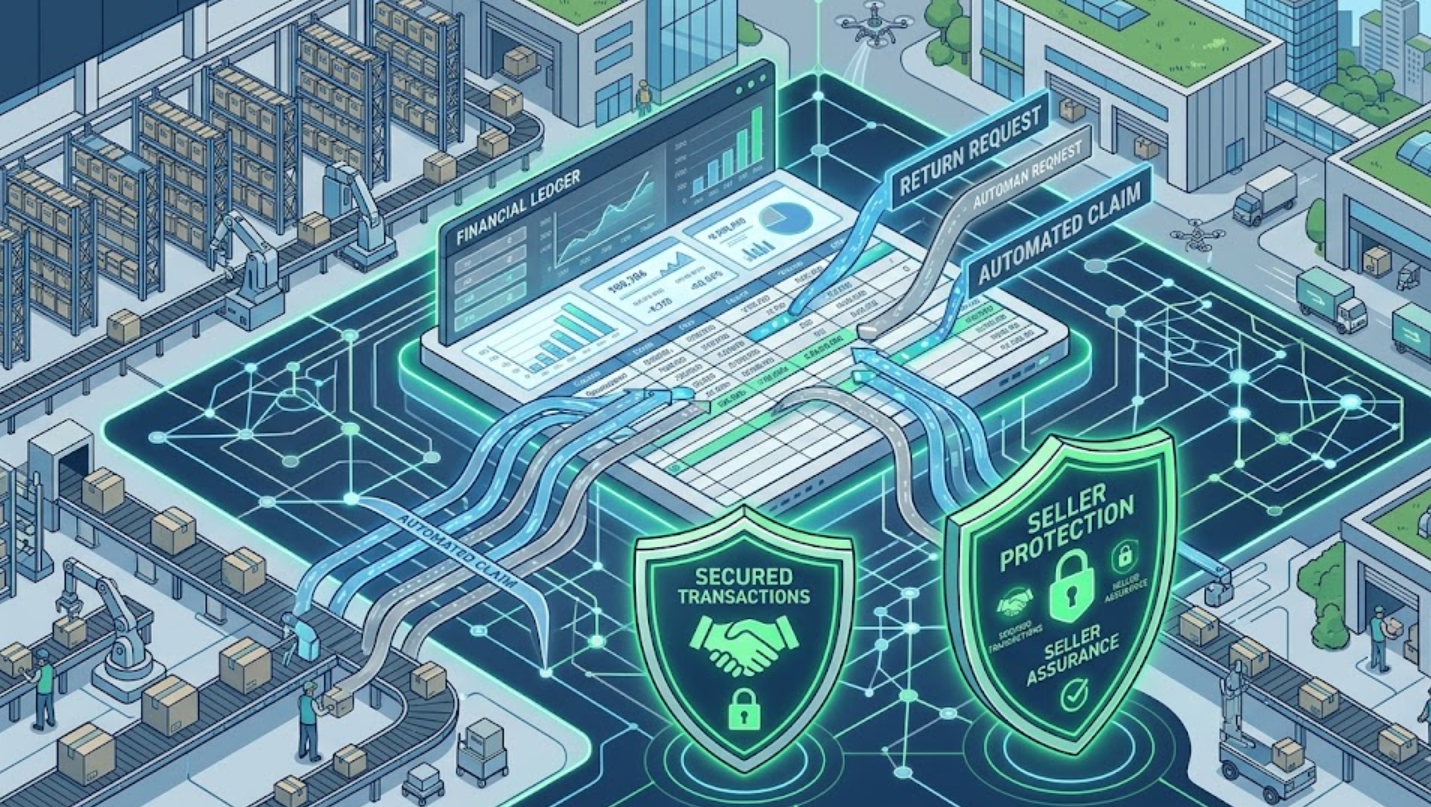
Navigating Amazon's A-to-Z Guarantee: Mitigating Seller-Funded Return Abuse
Amazon's automated A-to-Z Guarantee claims and escalating return abuse present a critical financial challenge for e-commerce sellers, often leading to uninvestigated, seller-funded losses. This trend, exacerbated by strict enforcement of doctrines like the First Sale Rule, necessitates proactive strategies to protect seller profitability. Understanding these dynamics and implementing robust mitigation tactics is essential for sustainable online business operations.
2026-04-29


