

Definition
An Export License is a formal authorization document granting the right to conduct an export transaction of specific, restricted commodities or technical data.
These licenses are typically issued by governmental bodies, such as the Bureau of Industry and Security (BIS) within the U.S. Department of Commerce, or equivalent regulatory agencies globally. Beyond controlling sensitive technologies, some countries utilize export licenses to manage foreign exchange transfers or generate national revenue.
Core Function and Compliance Process
The central function of the export license is regulatory control. It ensures that sensitive items do not fall into unauthorized hands, particularly those involved in illegal activities or sanctioned regions.
The exporter must diligently determine if their product requires a license. This determination involves several steps:
• Product Classification: Identifying the item’s physical and technical characteristics.
• ECCN Determination: Consulting the Commerce Control List (CCL) to determine the product’s Export Control Classification Number (ECCN).
• License Exception Check: Determining if the shipment qualifies for an existing License Exception.
• End-User/End-Use Screening: Reviewing the destination country, the recipient, and the ultimate application of the product.
Expert Advice
Never assume a product is exempt from control solely based on its common commercial nature. Many dual-use items—those with both civilian and military applications—require licensing. Misclassification is one of the most common reasons for compliance failure. Always document your decision-making process, even if you conclude that No License Required (NLR) is the correct status. Strict adherence to export control regulations is crucial, as violations can result in massive fines and criminal charges.
Key Takeaways
• The exporter is legally responsible for license determination.
• The CCL is the definitive resource for identifying controlled items (via ECCN).
• An export license is distinct from standard shipping documentation.
• Compliance errors are costly; thorough due diligence is non-negotiable.
-

Navigating Amazon's Account Level Reserve (ALR) and Cash Flow Throttling: A Guide for Sellers
Amazon's Account Level Reserve (ALR) and "Delivery Date + 7 days" (DD+7) disbursement policies are severely impacting seller cash flow, making it challenging to pay suppliers and restock inventory. Understanding these mechanisms is crucial for maintaining financial stability and operational efficiency in e-commerce. Strategic logistics and proactive financial planning can help mitigate these significant funding delays.
2026-05-06
-
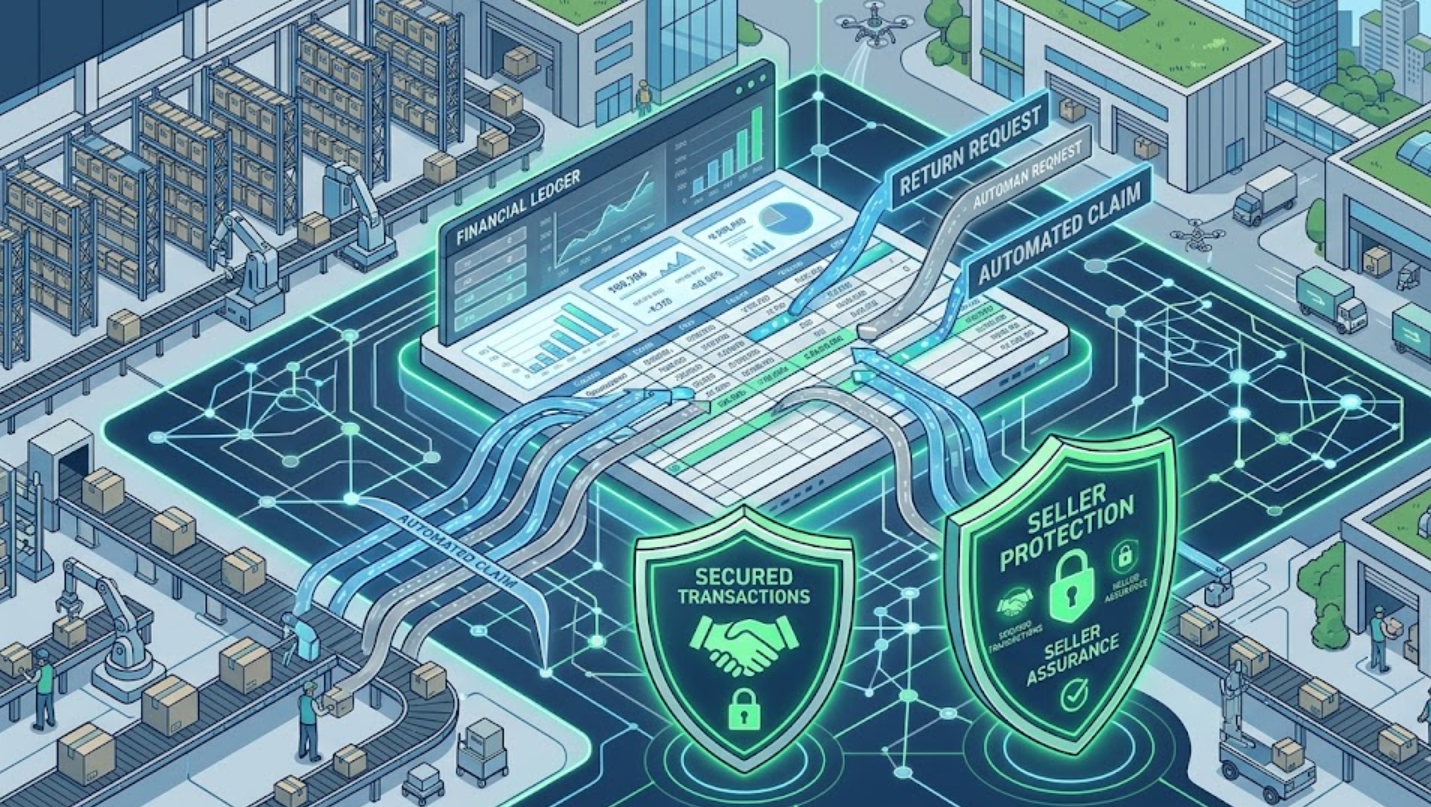
Navigating Amazon's A-to-Z Guarantee: Mitigating Seller-Funded Return Abuse
Amazon's automated A-to-Z Guarantee claims and escalating return abuse present a critical financial challenge for e-commerce sellers, often leading to uninvestigated, seller-funded losses. This trend, exacerbated by strict enforcement of doctrines like the First Sale Rule, necessitates proactive strategies to protect seller profitability. Understanding these dynamics and implementing robust mitigation tactics is essential for sustainable online business operations.
2026-04-29


