

Definition
EXW (Ex Works) is one of the 11 official Incoterms (International Commercial Terms) published by the International Chamber of Commerce (ICC). It represents the greatest degree of obligation for the buyer and the least for the seller. Under EXW, the seller completes their delivery obligation simply by placing the goods at the disposal of the buyer.
Core Responsibilities and Process
Under the EXW rule, the seller's duty ends before the goods are even loaded onto the first collecting vehicle. EXW can be used for all modes of transport, including LCL, FCL, and air freight.
Seller Responsibilities (Minimal):
• Make the goods available for pickup at the named place (usually the seller's factory or warehouse).
• Provide necessary documentation for the buyer to obtain export license/clearance.
Buyer Responsibilities (Maximum):
• Loading the goods onto the collecting vehicle.
• Handling all export clearance procedures, duties, and taxes.
• Bearing all costs and risks associated with transporting the goods from the named place to the final destination.
• Risk transfers from seller to buyer at the moment the goods are made available.
Expert Advice
While EXW simplifies selling, it can complicate compliance. Sellers must ensure that the buyer can reliably complete the necessary export procedures. For buyers, EXW offers maximum control over shipping costs and carrier selection, but requires robust knowledge of the export market of origin. Logicmile advises buyers only to use EXW if they have established export brokerage relationships in the originating country.
Key Takeaways
• EXW shifts almost all responsibility (cost, risk, and export clearance) to the buyer.
• Delivery occurs when the seller places the goods at the buyer's disposal at the named location.
• This term requires careful documentation and agreement, especially regarding loading and compliance with origin country regulations.
-

Navigating Amazon's Account Level Reserve (ALR) and Cash Flow Throttling: A Guide for Sellers
Amazon's Account Level Reserve (ALR) and "Delivery Date + 7 days" (DD+7) disbursement policies are severely impacting seller cash flow, making it challenging to pay suppliers and restock inventory. Understanding these mechanisms is crucial for maintaining financial stability and operational efficiency in e-commerce. Strategic logistics and proactive financial planning can help mitigate these significant funding delays.
2026-05-06
-
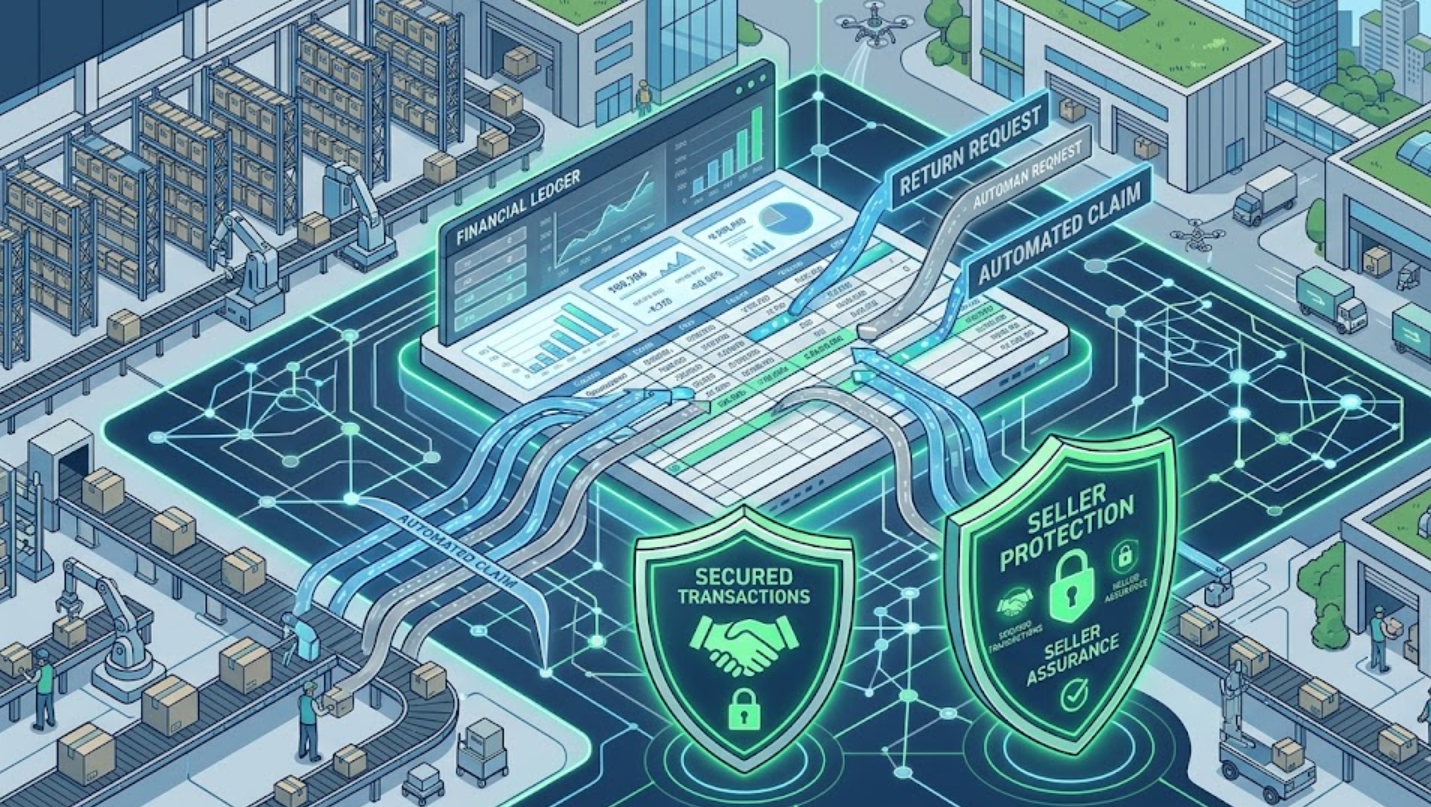
Navigating Amazon's A-to-Z Guarantee: Mitigating Seller-Funded Return Abuse
Amazon's automated A-to-Z Guarantee claims and escalating return abuse present a critical financial challenge for e-commerce sellers, often leading to uninvestigated, seller-funded losses. This trend, exacerbated by strict enforcement of doctrines like the First Sale Rule, necessitates proactive strategies to protect seller profitability. Understanding these dynamics and implementing robust mitigation tactics is essential for sustainable online business operations.
2026-04-29


