

Definition
An Electronic Logging Device (ELD) is federally mandated technology synchronized with a truck's engine to automatically record driving time, engine hours, vehicle movement, and location information. Its primary purpose is to ensure accurate and reliable tracking of a driver's Hours of Service (HOS) data, thereby improving road safety and driver accountability by preventing fatigue-related incidents.
Core Process and Function
The ELD mandate, which took full effect on December 18, 2017, requires most commercial motor vehicles operating in the US and Canada to transition from manual paper logbooks to certified electronic devices. The ELD records operational data streams that dictate when a driver must legally take rest breaks or cease driving.
Key functions of the ELD system include:
• Automated capture of driving time and status changes (Driving, On-Duty Not Driving, Sleeper Berth, Off-Duty).
• Direct transfer of HOS data to enforcement officials during inspections.
• Minimizing the potential for deliberate HOS log falsification.
Impact and Expert Advice for Logistics Planning
The shift to mandatory ELD usage has profound implications for shippers and logistics planners, primarily due to the strict enforcement of HOS rules which reduces operational flexibility. Logistics impacts observed since 2017 include:
• Higher trucking rates: Rates increased as carriers needed to optimize routes and often pay for detention time strictly captured by the ELD.
• Less trucking capacity: The strict HOS adherence means trucks cannot legally "push the limits," effectively limiting the usable operational hours per week for the overall fleet.
• Less trucking flexibility: The ability to absorb unforeseen delays (e.g., traffic, shipper inefficiencies) without violating HOS rules has been significantly reduced.
• Additional charges: Shippers now face charges for prolonged detention or loading/unloading delays, as the ELD accurately clocks the driver's non-driving on-duty time.
Expert Advice: Shippers must partner with carriers who utilize advanced routing software integrated with ELD data. Focus on supply chain visibility and rapid turnaround times at loading docks to avoid costly detention fees and maximize the available driving hours for your shipments.
Key Takeaways
• The ELD mandate is a regulatory requirement designed to improve road safety through strict HOS compliance.
• It fundamentally restricts the maximum operational hours for drivers, leading to tighter capacity and schedule adherence needs.
• Shippers must prioritize efficiency at all touchpoints to minimize detention fees and mitigate the risk of late deliveries caused by HOS restrictions.
-

Navigating Amazon's Account Level Reserve (ALR) and Cash Flow Throttling: A Guide for Sellers
Amazon's Account Level Reserve (ALR) and "Delivery Date + 7 days" (DD+7) disbursement policies are severely impacting seller cash flow, making it challenging to pay suppliers and restock inventory. Understanding these mechanisms is crucial for maintaining financial stability and operational efficiency in e-commerce. Strategic logistics and proactive financial planning can help mitigate these significant funding delays.
2026-05-06
-
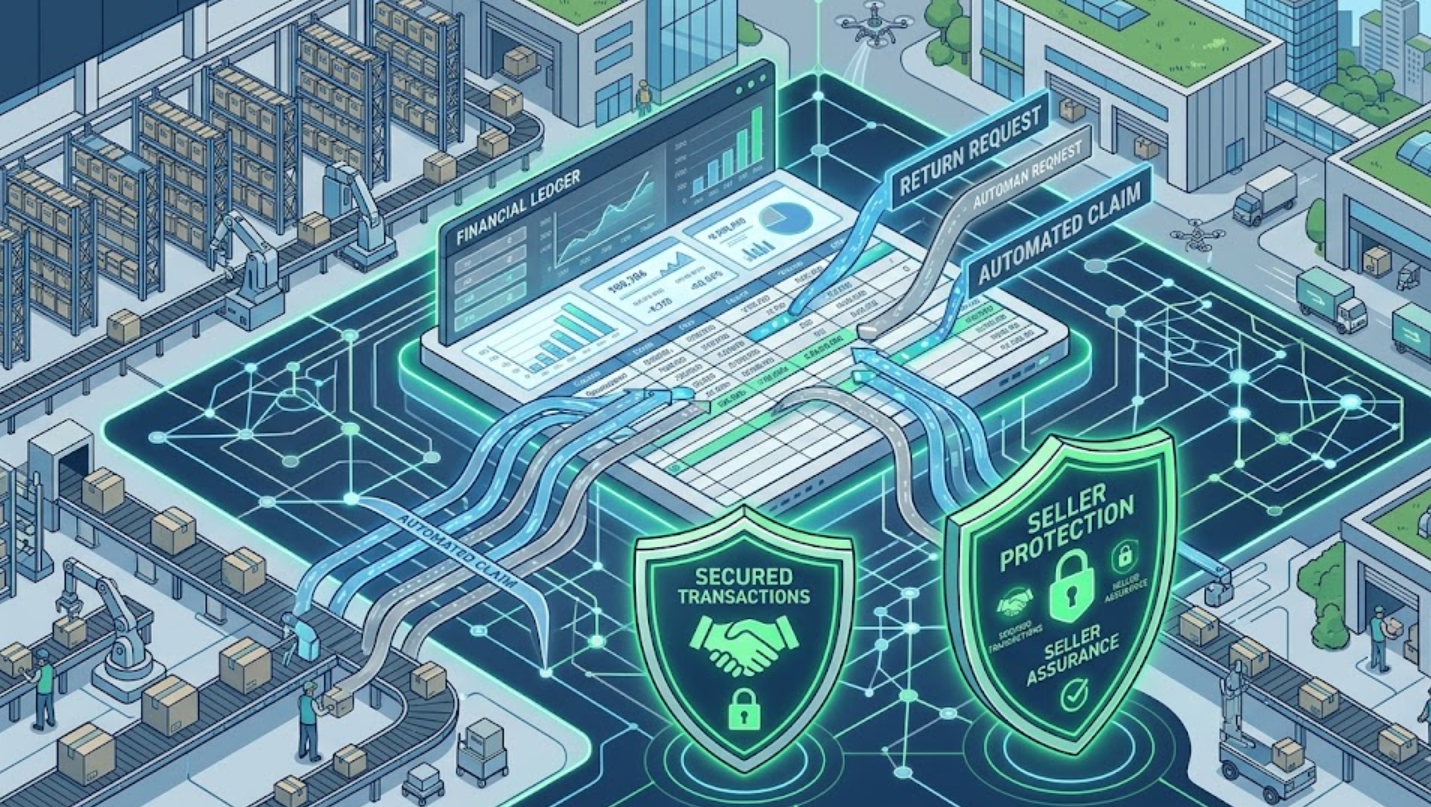
Navigating Amazon's A-to-Z Guarantee: Mitigating Seller-Funded Return Abuse
Amazon's automated A-to-Z Guarantee claims and escalating return abuse present a critical financial challenge for e-commerce sellers, often leading to uninvestigated, seller-funded losses. This trend, exacerbated by strict enforcement of doctrines like the First Sale Rule, necessitates proactive strategies to protect seller profitability. Understanding these dynamics and implementing robust mitigation tactics is essential for sustainable online business operations.
2026-04-29


