

Definition
The Employer Identification Number (EIN) is a unique nine-digit tax identification number assigned by the Internal Revenue Service (IRS) to business entities located within the United States. It functions similarly to a Social Security Number but is specifically for the business entity, serving as the official identifier for tax purposes and government interactions.
Function in Logistics and Customs
For US Customs and Border Protection (CBP), the EIN is mandatory for associating a US-based business entity with all its trade dealings. This identification is crucial for several regulatory requirements:
• Securing and managing Customs bonds
• Filing Customs entries (CBP Form 7501)
• Submitting Importer Security Filings (ISF or 10+2)
• Tracking import volume, duty payments, and compliance history
Foreign Importers and Verification
Foreign entities that do not have an EIN but require an identifier for US trade purposes must obtain a Customs Assigned Importer Number (CAIN). If a US entity does not already possess an EIN, a CAIN will be assigned by CBP to facilitate the transaction. When establishing a formal account with logistics consultants or freight forwarders (such as Flexport), US-based businesses will typically be required to submit a copy of their official IRS Notice to verify the accuracy of the EIN and complete the Know Your Customer (KYC) onboarding process.
Expert Advice
Always confirm your current EIN status before initiating any imports or exports. If you are a new US business, obtaining the EIN from the IRS should be one of the first steps, as delays in verification can halt shipments at the border. If you lack an EIN, ensure your broker or forwarder assists you in obtaining the necessary CAIN if you are a foreign entity to maintain compliance.
-

Navigating Amazon's Account Level Reserve (ALR) and Cash Flow Throttling: A Guide for Sellers
Amazon's Account Level Reserve (ALR) and "Delivery Date + 7 days" (DD+7) disbursement policies are severely impacting seller cash flow, making it challenging to pay suppliers and restock inventory. Understanding these mechanisms is crucial for maintaining financial stability and operational efficiency in e-commerce. Strategic logistics and proactive financial planning can help mitigate these significant funding delays.
2026-05-06
-
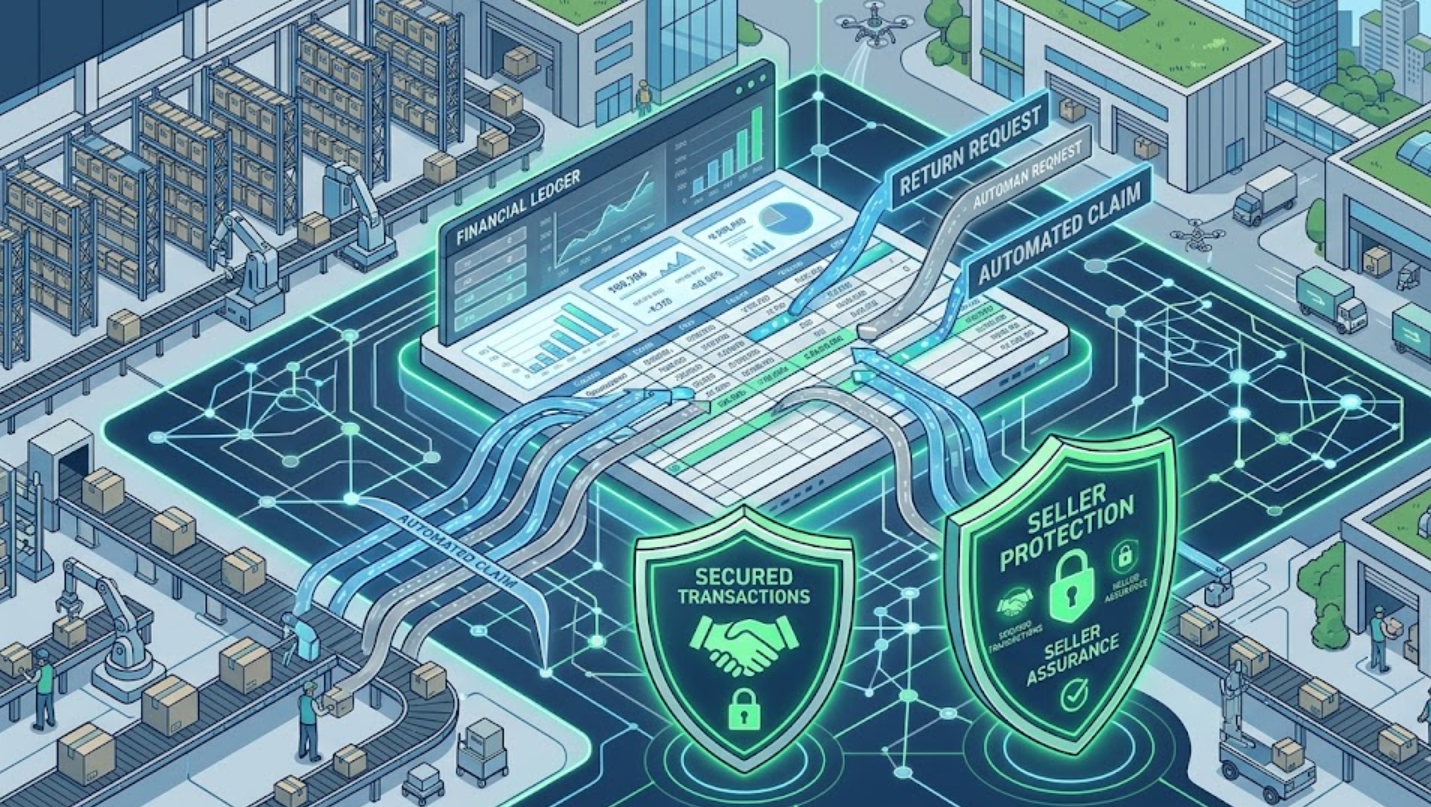
Navigating Amazon's A-to-Z Guarantee: Mitigating Seller-Funded Return Abuse
Amazon's automated A-to-Z Guarantee claims and escalating return abuse present a critical financial challenge for e-commerce sellers, often leading to uninvestigated, seller-funded losses. This trend, exacerbated by strict enforcement of doctrines like the First Sale Rule, necessitates proactive strategies to protect seller profitability. Understanding these dynamics and implementing robust mitigation tactics is essential for sustainable online business operations.
2026-04-29


