

Definition
The Emergency Bunker Surcharge (EBS) is a non-negotiable fee charged by ocean carriers in response to sudden, significant, and unexpected increases in the cost of marine fuel (bunker). It is explicitly designated as an "emergency" measure because the surge in fuel costs is substantial enough to significantly impact the carrier's operating margins beyond what the standard Bunker Adjustment Factor (BAF) is designed to cover.
Core Function
The primary function of the EBS is immediate cost recovery for carriers during periods of extreme fuel price volatility. When global crude oil prices spike sharply, the lag time or fixed parameters of the standard BAF mechanism may prove insufficient to absorb the sudden increase in operational expenses. EBS provides a mechanism for carriers to quickly stabilize their profitability and ensure service continuity.
Implementation and Scope
EBS is highly dynamic and depends on the specific circumstances of the carrier and the trade lane. It is not a standardized global fee.
• EBS is implemented per individual carrier based on their specific operating costs.
• The surcharge is applied per specific trade lane where fuel cost pressures are highest.
• It is applied on top of the existing BAF or any other fuel-related fees already in place.
• Shippers will see the EBS itemized separately in their freight rates when applicable.
Strategic Considerations for Shippers
Shippers and logistics planners should be aware that while the BAF is generally predictable, the EBS appears suddenly and often with little advance warning, reflecting the urgency of the price increase.
• Monitor global oil market trends closely, as sustained spikes often trigger EBS implementation.
• Factor EBS into emergency budget reserves, recognizing it as a necessary but intermittent cost of ocean freight.
• Engage with logistics consultants to understand the specific triggers for EBS on your primary trade lanes and ensure accurate freight budgeting.
-

Navigating Amazon's Account Level Reserve (ALR) and Cash Flow Throttling: A Guide for Sellers
Amazon's Account Level Reserve (ALR) and "Delivery Date + 7 days" (DD+7) disbursement policies are severely impacting seller cash flow, making it challenging to pay suppliers and restock inventory. Understanding these mechanisms is crucial for maintaining financial stability and operational efficiency in e-commerce. Strategic logistics and proactive financial planning can help mitigate these significant funding delays.
2026-05-06
-
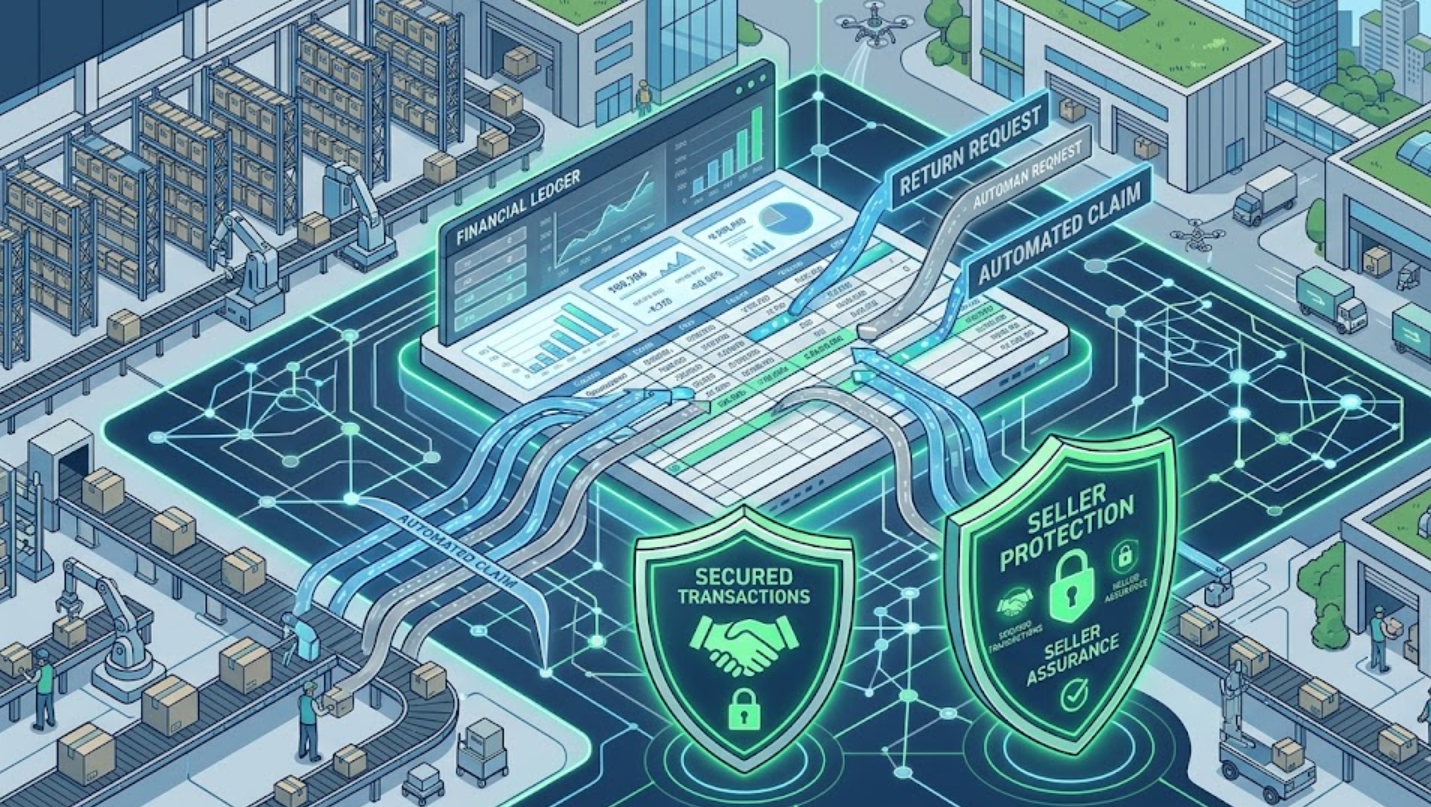
Navigating Amazon's A-to-Z Guarantee: Mitigating Seller-Funded Return Abuse
Amazon's automated A-to-Z Guarantee claims and escalating return abuse present a critical financial challenge for e-commerce sellers, often leading to uninvestigated, seller-funded losses. This trend, exacerbated by strict enforcement of doctrines like the First Sale Rule, necessitates proactive strategies to protect seller profitability. Understanding these dynamics and implementing robust mitigation tactics is essential for sustainable online business operations.
2026-04-29


