

Definition
Duty Drawback is a formal U.S. Customs program designed to refund up to 99% of certain duties, taxes, and fees paid upon the importation of goods into the United States, provided those goods are later exported or destroyed under customs supervision. The primary purpose is to eliminate the double taxation inherent in a sequential import/export process, thereby making U.S. manufacturers and traders more competitive globally.
Core Function
The system encourages international trade by lowering the overall cost of goods for businesses engaged in global manufacturing, assembly, or re-exportation. By successfully applying for a duty drawback, companies can unlock significant working capital, improve cash flow, and dramatically reduce operational expenses tied to international shipments. Proper documentation, meticulous record-keeping, and adherence to specific statutory timelines are essential for successful claim filing.
Types of Drawback Claims
Duty drawback claims are categorized based on how the imported merchandise relates to the exported article.
• Unused Merchandise Drawback (19 USC 1313(j)): Applicable when imported goods are exported in the same condition as imported (or with minimal alteration).
• Direct Identification (19 USC 1313(j)(1))
• Substitution (19 USC 1313(j)(2))
• Substitution of Finished Petroleum Derivatives (19 USC 1313(p))
• Manufacturing Drawback (19 USC 1313(a) & 1313(b)): Applies when imported goods are used as a material or component in the manufacture of an article that is subsequently exported.
• Direct Identification (19 USC 1313(a))
• Substitution (19 USC 1313(b))
• Other Common Drawback Types
• Rejected Merchandise Drawback (19 USC 1313(c)): For goods found defective or non-conforming to sample/specifications.
• Packaging Material (19 USC 1313(q))
• Specific Products (e.g., Flavoring extracts; medicinal or toilet preparations; bottled distilled spirits and wines (19 USC 1313(d))).
Expert Advice
Filing a duty drawback claim requires sophisticated trade compliance knowledge and rigorous traceability systems. Many eligible businesses overlook this opportunity due to the complexity of the filing process. Consulting experts ensures that identification methods, statutory requirements, and critical filing deadlines are met correctly, maximizing cost savings while maintaining strict regulatory compliance.
-

Navigating Amazon's Account Level Reserve (ALR) and Cash Flow Throttling: A Guide for Sellers
Amazon's Account Level Reserve (ALR) and "Delivery Date + 7 days" (DD+7) disbursement policies are severely impacting seller cash flow, making it challenging to pay suppliers and restock inventory. Understanding these mechanisms is crucial for maintaining financial stability and operational efficiency in e-commerce. Strategic logistics and proactive financial planning can help mitigate these significant funding delays.
2026-05-06
-
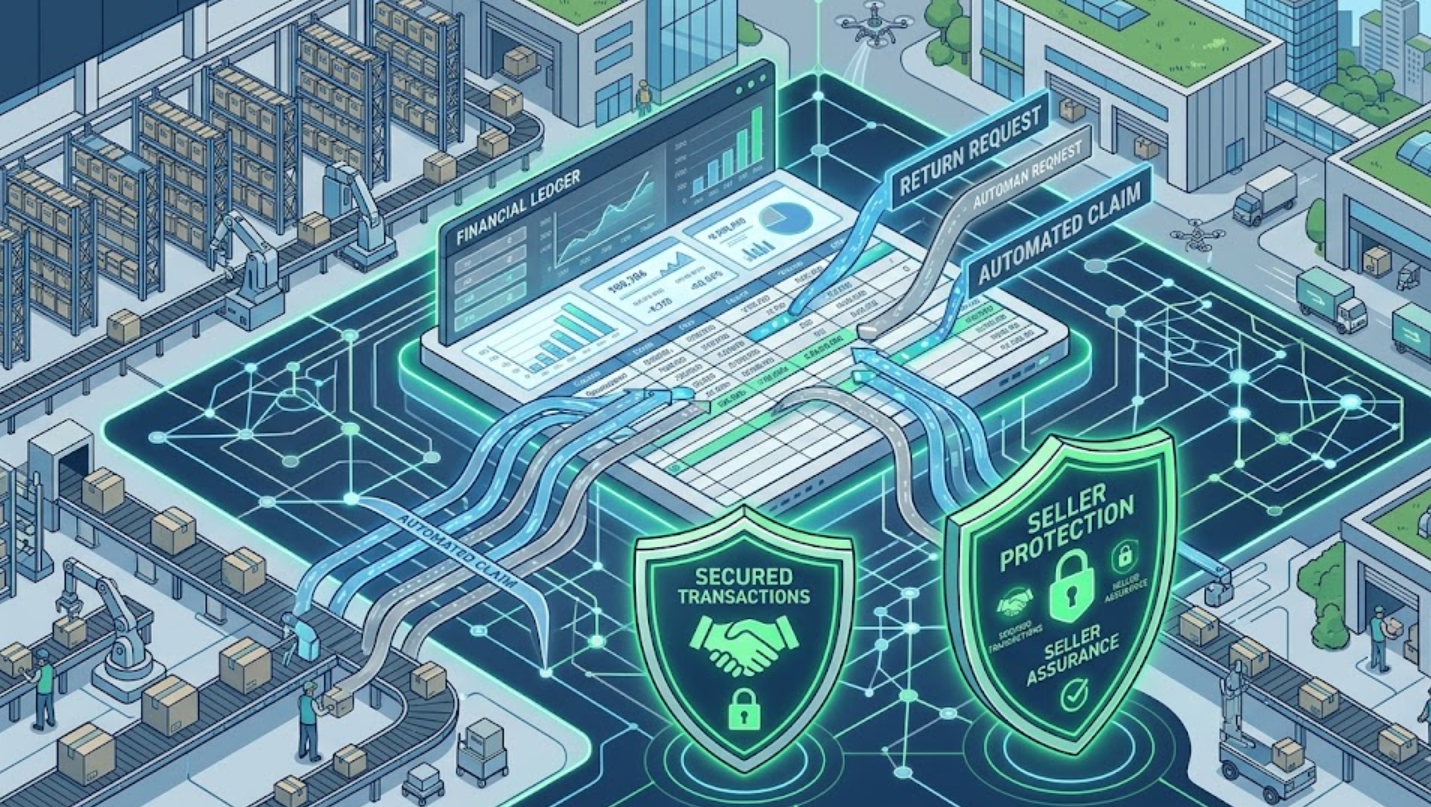
Navigating Amazon's A-to-Z Guarantee: Mitigating Seller-Funded Return Abuse
Amazon's automated A-to-Z Guarantee claims and escalating return abuse present a critical financial challenge for e-commerce sellers, often leading to uninvestigated, seller-funded losses. This trend, exacerbated by strict enforcement of doctrines like the First Sale Rule, necessitates proactive strategies to protect seller profitability. Understanding these dynamics and implementing robust mitigation tactics is essential for sustainable online business operations.
2026-04-29


