

Definition
A Dry Run refers to an unsuccessful attempt by a trucker to either pick up or deliver a scheduled shipment. Despite the inability to execute the planned movement, the carrier has expended time and resources traveling to the location and is therefore entitled to charge the full rate for the attempted trip.
Core Function and Causes
Dry runs occur due to unforeseen circumstances that prevent the smooth transfer of cargo.
• Port Congestion: Sometimes, especially during peak season and Chinese New Year preparations, ports are so congested that truckers are unable to successfully retrieve a shipment on the first attempt.
• Unreleased Cargo: If the trucker arrives to pick up a shipment but the necessary customs documentation, payment, or final release clearance has not been processed, the cargo is not ready for pickup, resulting in a charge.
Cost Implications
Dry run charges are typically levied at the full cost of the original contracted trip. These fees are inherently unknown at the time of initial quoting because they rely on external factors beyond the carrier’s control. Consequently, dry run charges will always be included as an applicable surcharge on the final invoice.
Expert Advice
To minimize dry run charges, stakeholders must proactively manage documentation and scheduling.
• Confirm Release Status: Verify that all necessary paperwork and customs clearances are complete and transmitted before dispatching the carrier.
• Communicate Delays: Immediately notify the trucking company if there is any known issue or delay that will prevent the cargo from being ready at the scheduled time.
-

Navigating Amazon's Account Level Reserve (ALR) and Cash Flow Throttling: A Guide for Sellers
Amazon's Account Level Reserve (ALR) and "Delivery Date + 7 days" (DD+7) disbursement policies are severely impacting seller cash flow, making it challenging to pay suppliers and restock inventory. Understanding these mechanisms is crucial for maintaining financial stability and operational efficiency in e-commerce. Strategic logistics and proactive financial planning can help mitigate these significant funding delays.
2026-05-06
-
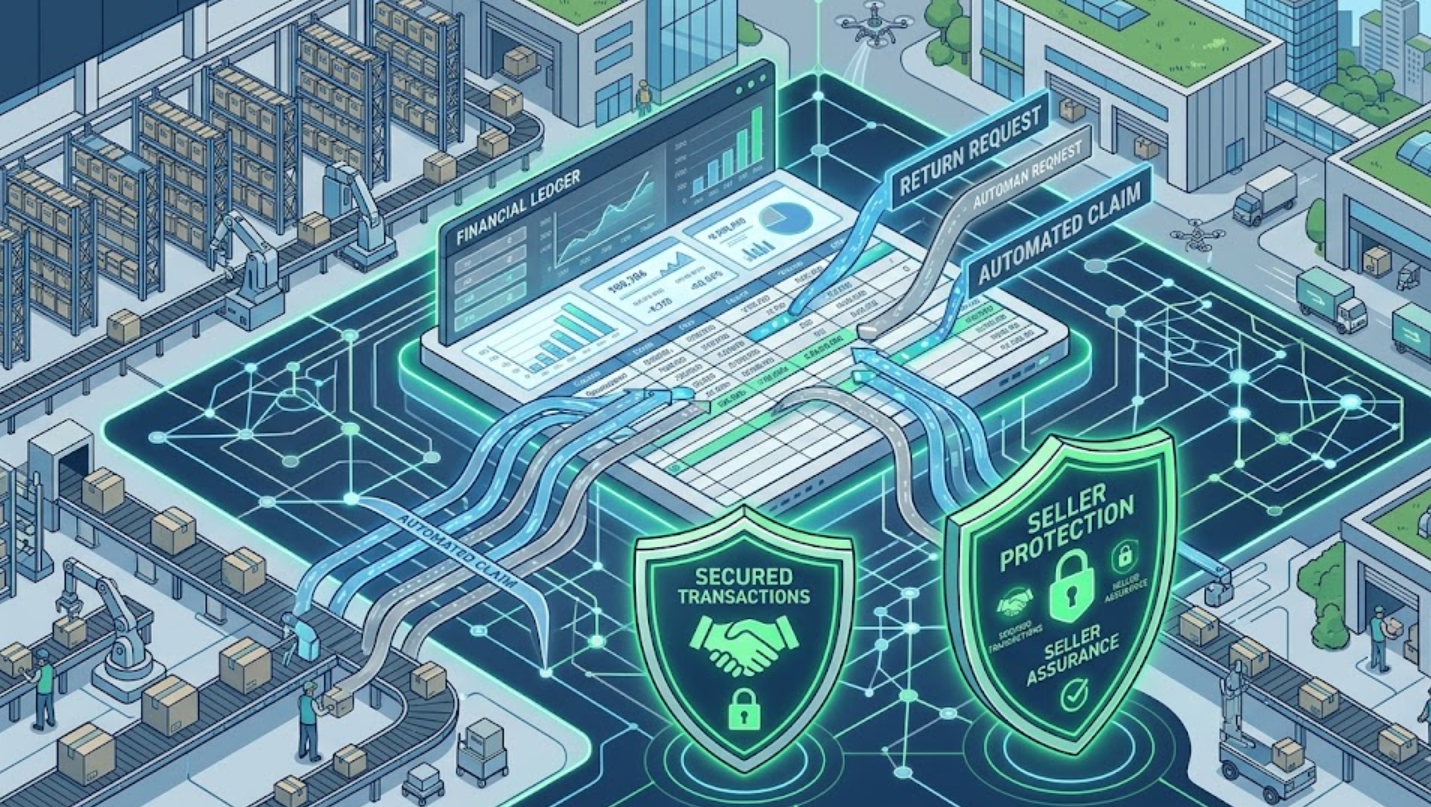
Navigating Amazon's A-to-Z Guarantee: Mitigating Seller-Funded Return Abuse
Amazon's automated A-to-Z Guarantee claims and escalating return abuse present a critical financial challenge for e-commerce sellers, often leading to uninvestigated, seller-funded losses. This trend, exacerbated by strict enforcement of doctrines like the First Sale Rule, necessitates proactive strategies to protect seller profitability. Understanding these dynamics and implementing robust mitigation tactics is essential for sustainable online business operations.
2026-04-29


