

Definition
Drop and Pick, frequently known as Drop and Hook, is a specialized drayage service focused on maximizing trucking efficiency and velocity. Instead of waiting for a container to be live unloaded (live unload), the driver drops the loaded import container at the receiver's yard and immediately picks up a pre-staged empty container, completing both the delivery and the return of equipment in one trip. This minimizes the unproductive "wait time" usually incurred by drivers.
Core Function and Benefits
The primary function of a Drop and Pick arrangement is the rapid utilization of trucking assets. It is significantly more time-efficient and cost-effective than a standard drop (where the driver returns 24-48 hours later for the empty) or a live unload (where the driver waits while the freight is handled).
• Cost Savings: Reduced hourly fees associated with driver detention.
• Faster Turnaround: Equipment is returned to the depot/port much quicker, avoiding unnecessary per diem charges.
• Yard Requirement: This method necessitates that the shipper has sufficient yard space to safely stage containers before and after unloading.
Distinguishing Drop and Pick vs. Standard Drop
It is important to understand the subtle difference in terminology:
• Standard Drop: Driver drops the loaded container and leaves. They return later (e.g., the next day) specifically to pick up the empty container. This requires two separate trips.
• Drop and Pick: Driver drops the loaded container and immediately picks up an empty container on the same trip. This optimizes the trip, requiring only one full movement.
Expert Advice and Application
While Drop and Pick offers substantial cost advantages, its applicability is highly volume-dependent. This method is only viable for shippers experiencing consistent, high-frequency Full Container Load (FCL) arrivals—typically containers arriving every few days. The consistency ensures that an empty container is always available for the incoming driver to retrieve. Logicmile recommends assessing your annual FCL volume and available staging space before adopting this strategy to ensure maximum savings and efficiency.
Key Takeaways
• Drop and Pick is the most cost-effective FCL delivery method when volume allows.
• Requires high volume and frequent container throughput.
• Eliminates driver detention fees associated with live unloads.
-

Navigating Amazon's Account Level Reserve (ALR) and Cash Flow Throttling: A Guide for Sellers
Amazon's Account Level Reserve (ALR) and "Delivery Date + 7 days" (DD+7) disbursement policies are severely impacting seller cash flow, making it challenging to pay suppliers and restock inventory. Understanding these mechanisms is crucial for maintaining financial stability and operational efficiency in e-commerce. Strategic logistics and proactive financial planning can help mitigate these significant funding delays.
2026-05-06
-
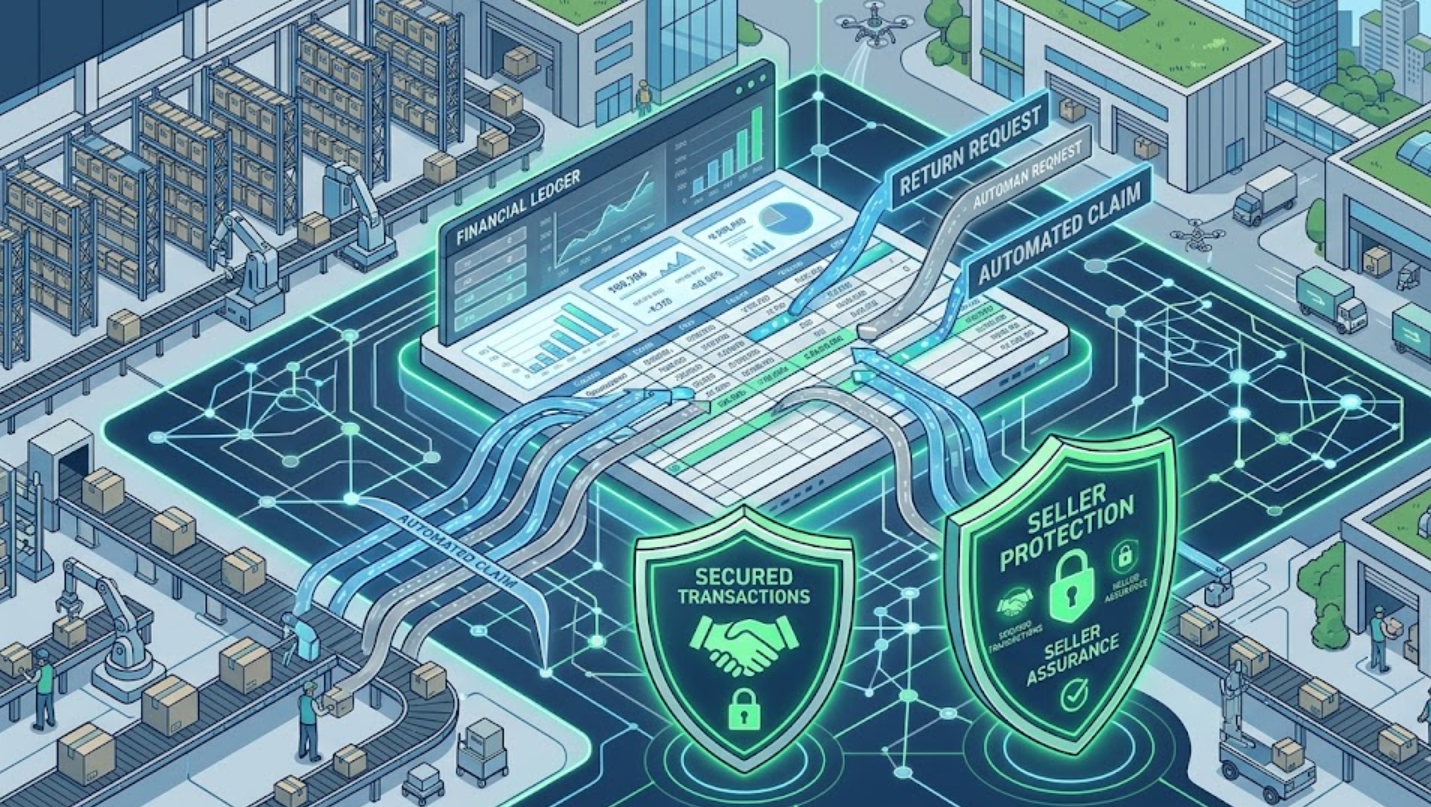
Navigating Amazon's A-to-Z Guarantee: Mitigating Seller-Funded Return Abuse
Amazon's automated A-to-Z Guarantee claims and escalating return abuse present a critical financial challenge for e-commerce sellers, often leading to uninvestigated, seller-funded losses. This trend, exacerbated by strict enforcement of doctrines like the First Sale Rule, necessitates proactive strategies to protect seller profitability. Understanding these dynamics and implementing robust mitigation tactics is essential for sustainable online business operations.
2026-04-29


