

Definition
A drop fee is a specialized charge assessed by a motor carrier to drop off an FCL (Full Container Load) container at the receiving warehouse and return later to pick up the empty unit. This process contrasts sharply with a live unload, where the driver waits while the cargo is immediately stripped from the container. The drop fee is also commonly referred to as a bobtail fee, referencing the tractor unit (bobtail) that returns without the container chassis.
Core Function and Necessity
The decision to execute a container drop is usually driven by operational necessity and cost efficiency. A drop is necessary if the cargo cannot be unloaded quickly upon arrival.
Most drayage carriers impose strict limits on waiting time, typically offering only 1 to 2 free hours for unloading. If unloading extends past this window, the trucking company begins charging costly trucking wait fees (detention). If cargo is not palletized, requires significant quality checks, or if the warehouse is backed up, dropping the container prevents the accumulation of these unpredictable hourly charges.
Invoicing and Billing
If applicable, the drop fee will appear on the logistics provider’s invoice, such as a Flexport bill, typically categorized under Destination Charges. It is an operational cost determined before dispatch, making it predictable compared to variable detention costs.
Expert Advice
Logicmile recommends that importers always evaluate the labor and time capacity of the receiving warehouse before booking final delivery. While a drop fee is an upfront cost, it almost always mitigates the risk of exceeding the free waiting period, especially when dealing with heavy or complex loads that require more than 120 minutes to unload. Strategically utilizing the drop fee offers predictable pricing and improved relationships with time-sensitive motor carriers.
Key Takeaways
• A Drop Fee pays for the convenience of extended unloading time.
• It is strategically used to avoid high, variable trucking wait fees.
• Also known as a Bobtail Fee.
-

Navigating Amazon's Account Level Reserve (ALR) and Cash Flow Throttling: A Guide for Sellers
Amazon's Account Level Reserve (ALR) and "Delivery Date + 7 days" (DD+7) disbursement policies are severely impacting seller cash flow, making it challenging to pay suppliers and restock inventory. Understanding these mechanisms is crucial for maintaining financial stability and operational efficiency in e-commerce. Strategic logistics and proactive financial planning can help mitigate these significant funding delays.
2026-05-06
-
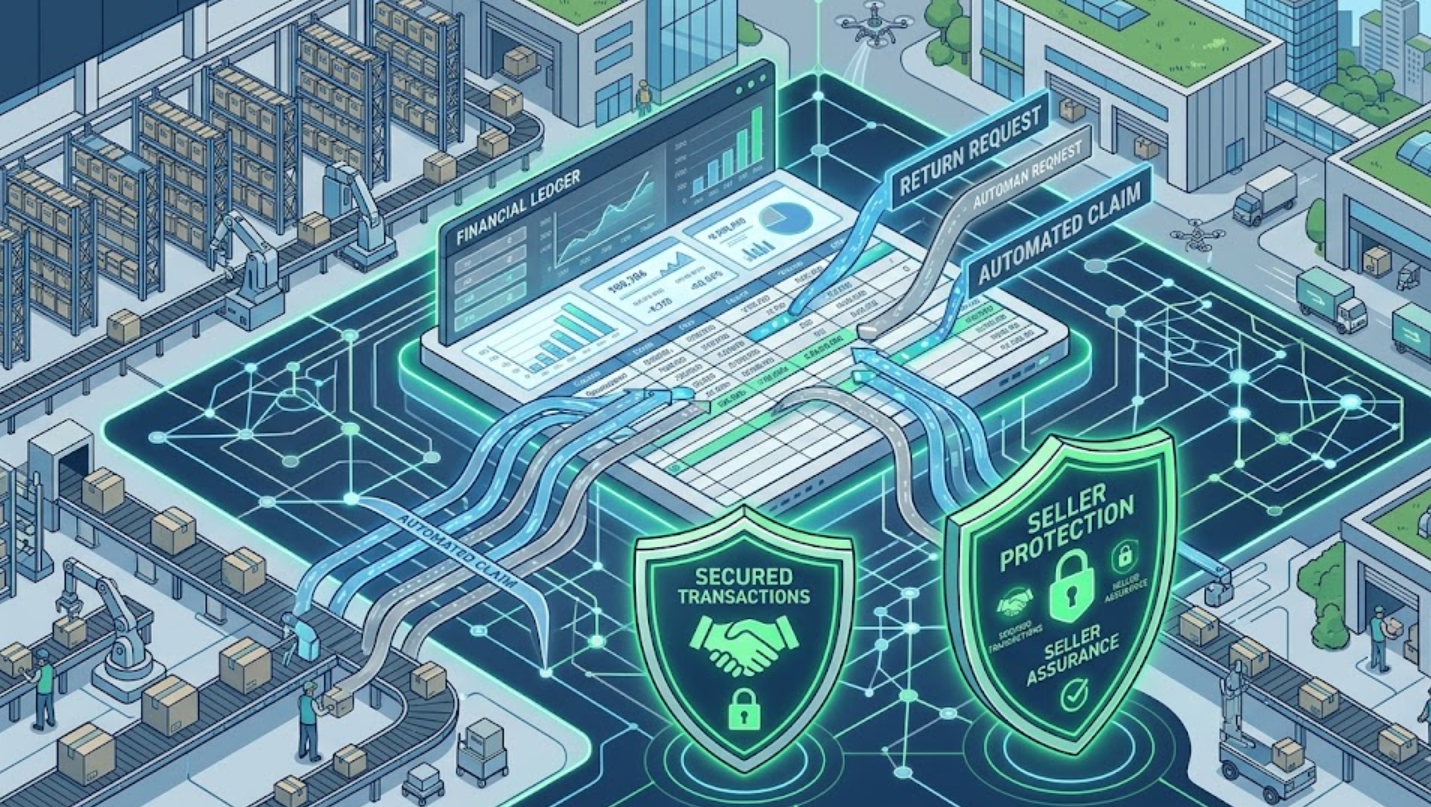
Navigating Amazon's A-to-Z Guarantee: Mitigating Seller-Funded Return Abuse
Amazon's automated A-to-Z Guarantee claims and escalating return abuse present a critical financial challenge for e-commerce sellers, often leading to uninvestigated, seller-funded losses. This trend, exacerbated by strict enforcement of doctrines like the First Sale Rule, necessitates proactive strategies to protect seller profitability. Understanding these dynamics and implementing robust mitigation tactics is essential for sustainable online business operations.
2026-04-29


