

Definition
In Full Container Load (FCL) trucking, a Drop refers to a delivery arrangement where the container is decoupled from the tractor unit and left at the consignee's facility. The driver does not wait for the cargo to be unloaded—a process known as a "live unload."
The carrier is responsible for returning to the location within an agreed-upon timeframe (typically 48 hours, depending on the carrier agreement) to retrieve the empty container and chassis.
Core Process and Associated Fees
The core function of a drop is to maximize driver utilization and eliminate costly detention fees caused by extended unloading times.
• The drayage carrier delivers the loaded container to the warehouse.
• The driver detaches the chassis and tractor and leaves the premises.
• The consignee unloads the freight at their convenience (within the agreed pickup window).
• Once notified that the container is empty, the driver executes a second trip to retrieve the empty unit.
Because the drop requires two distinct trips (delivery and retrieval) instead of one combined live unload trip, the carrier assesses a specific Drop Fee to compensate for the extra mileage, labor, and equipment use.
Strategic Considerations (When to Arrange a Drop)
A drop delivery should be arranged when the consignee anticipates significant delays or logistical challenges during the receiving process. It is a calculated trade-off between the standard Drop Fee and potentially exorbitant detention or demurrage charges that would accrue during a live unload.
Common scenarios requiring a drop:
• Floor-Loaded Cargo: Shipments consisting of loose, floor-loaded cartons take substantially longer (often several hours) to unload compared to palletized cargo.
• Warehouse Congestion: If the receiving dock is backed up, or the warehouse is severely understaffed, a drop prevents the driver from incurring wasted wait time.
• Equipment Limitations: When the consignee requires specialized material handling equipment that may not be immediately available upon the truck's arrival.
Key Takeaways
• Drops mitigate expensive driver detention costs but incur a separate, fixed Drop Fee.
• Standard industry practice generally allows up to 48 hours for unloading the container after a drop.
• A drop is an essential strategy for managing slow-to-unload FCL shipments and maintaining efficient carrier relations.
-

Navigating Amazon's Account Level Reserve (ALR) and Cash Flow Throttling: A Guide for Sellers
Amazon's Account Level Reserve (ALR) and "Delivery Date + 7 days" (DD+7) disbursement policies are severely impacting seller cash flow, making it challenging to pay suppliers and restock inventory. Understanding these mechanisms is crucial for maintaining financial stability and operational efficiency in e-commerce. Strategic logistics and proactive financial planning can help mitigate these significant funding delays.
2026-05-06
-
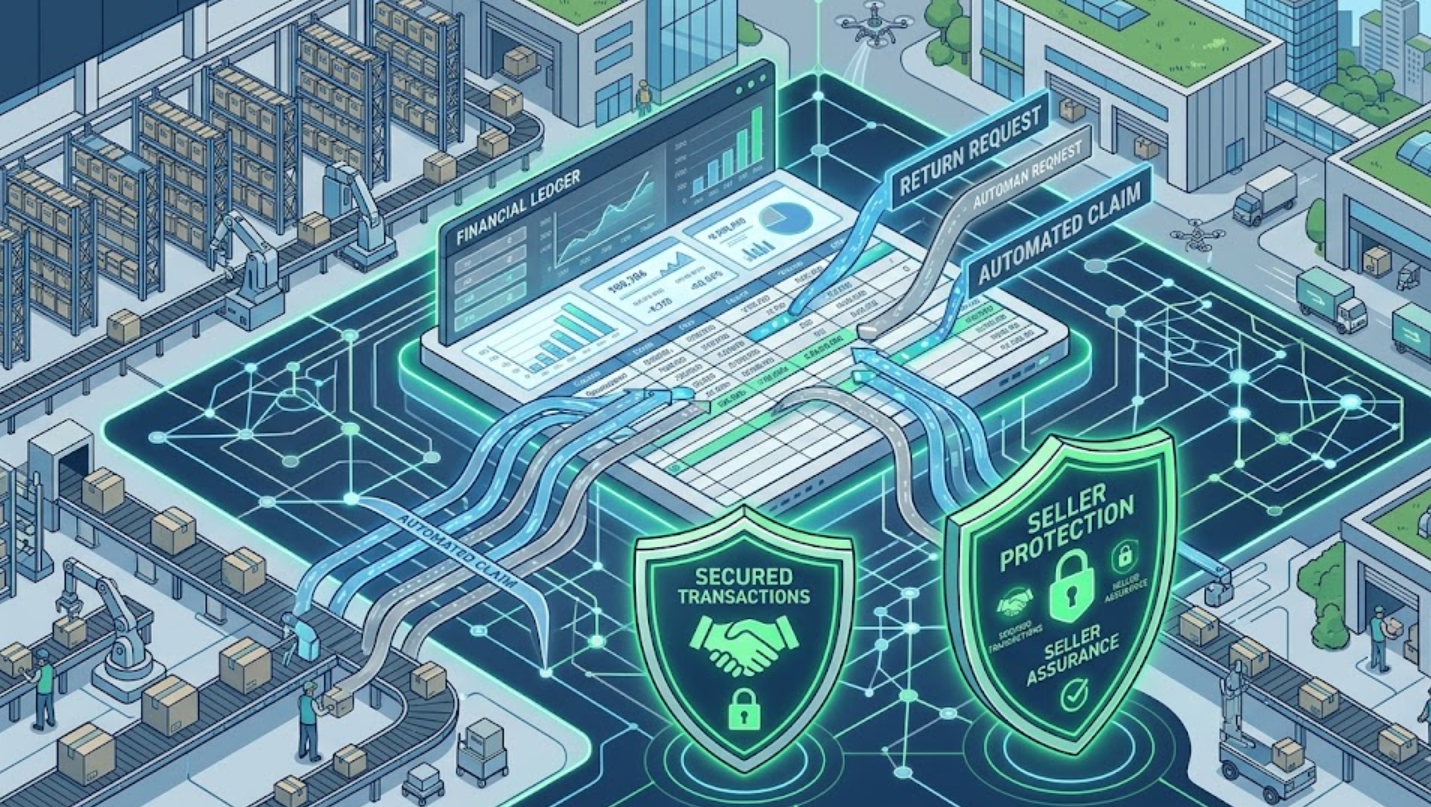
Navigating Amazon's A-to-Z Guarantee: Mitigating Seller-Funded Return Abuse
Amazon's automated A-to-Z Guarantee claims and escalating return abuse present a critical financial challenge for e-commerce sellers, often leading to uninvestigated, seller-funded losses. This trend, exacerbated by strict enforcement of doctrines like the First Sale Rule, necessitates proactive strategies to protect seller profitability. Understanding these dynamics and implementing robust mitigation tactics is essential for sustainable online business operations.
2026-04-29


