

Definition
Drayage is the specialized transportation of a full ocean container via truck over a relatively short distance. This move typically occurs between a port terminal or major rail ramp and a nearby destination, such as a distribution center or warehouse. It represents a crucial segment of the intermodal supply chain, ensuring containers reach points where they can be unloaded or further processed.
Core Process and Function
The primary function of drayage is to facilitate the seamless movement of cargo from large-scale transportation modes (ocean vessels or rail) to the final mile logistics network.
The process involves:
• Securing the full ocean container onto a chassis.
• Trucking the container to a defined, usually local, destination.
• Returning the empty container and chassis (known as an empty repositioning move).
If the intended final destination is not local (e.g., hundreds of miles away), the container generally cannot remain in its original state due to the high cost of long-distance drayage and equipment control issues. In these instances, the cargo must be transloaded—moved from the ocean container into a standard domestic Full Truckload (FTL) trailer for more economical and compliant over-the-road transit.
Costs and Financial Considerations
Drayage movements incur specific costs. The most fundamental charge is the drayage base fee, which covers the physical move. However, shippers must also manage accessory charges related to port operations:
• Chassis Split Fee: Charged if the motor carrier must pick up the chassis separate from the container.
• Demurrage: Penalties assessed by the steamship line for keeping the container past the agreed-upon free time at the terminal.
• Detention: Penalties assessed by the motor carrier for holding the driver or equipment longer than the standard free time allowed for loading or unloading at the destination.
Expert Advice for Efficiency
To optimize drayage operations and minimize costly accessorial charges, logistics professionals should focus on rapid turn times and precise scheduling.
• Pre-Plan Transloading: If transloading is necessary, coordinate the receiving warehouse staff and labor teams simultaneously with the drayage delivery time to prevent detention charges.
• Utilize Technology: Leverage real-time GPS tracking and notification systems to monitor driver status and predict arrival times accurately.
• Chassis Management: Understand whether the drayage carrier includes the chassis rental or if the shipper must manage a separate chassis pool reservation. Efficient chassis utilization is key to avoiding delays.
-

Navigating Amazon's Account Level Reserve (ALR) and Cash Flow Throttling: A Guide for Sellers
Amazon's Account Level Reserve (ALR) and "Delivery Date + 7 days" (DD+7) disbursement policies are severely impacting seller cash flow, making it challenging to pay suppliers and restock inventory. Understanding these mechanisms is crucial for maintaining financial stability and operational efficiency in e-commerce. Strategic logistics and proactive financial planning can help mitigate these significant funding delays.
2026-05-06
-
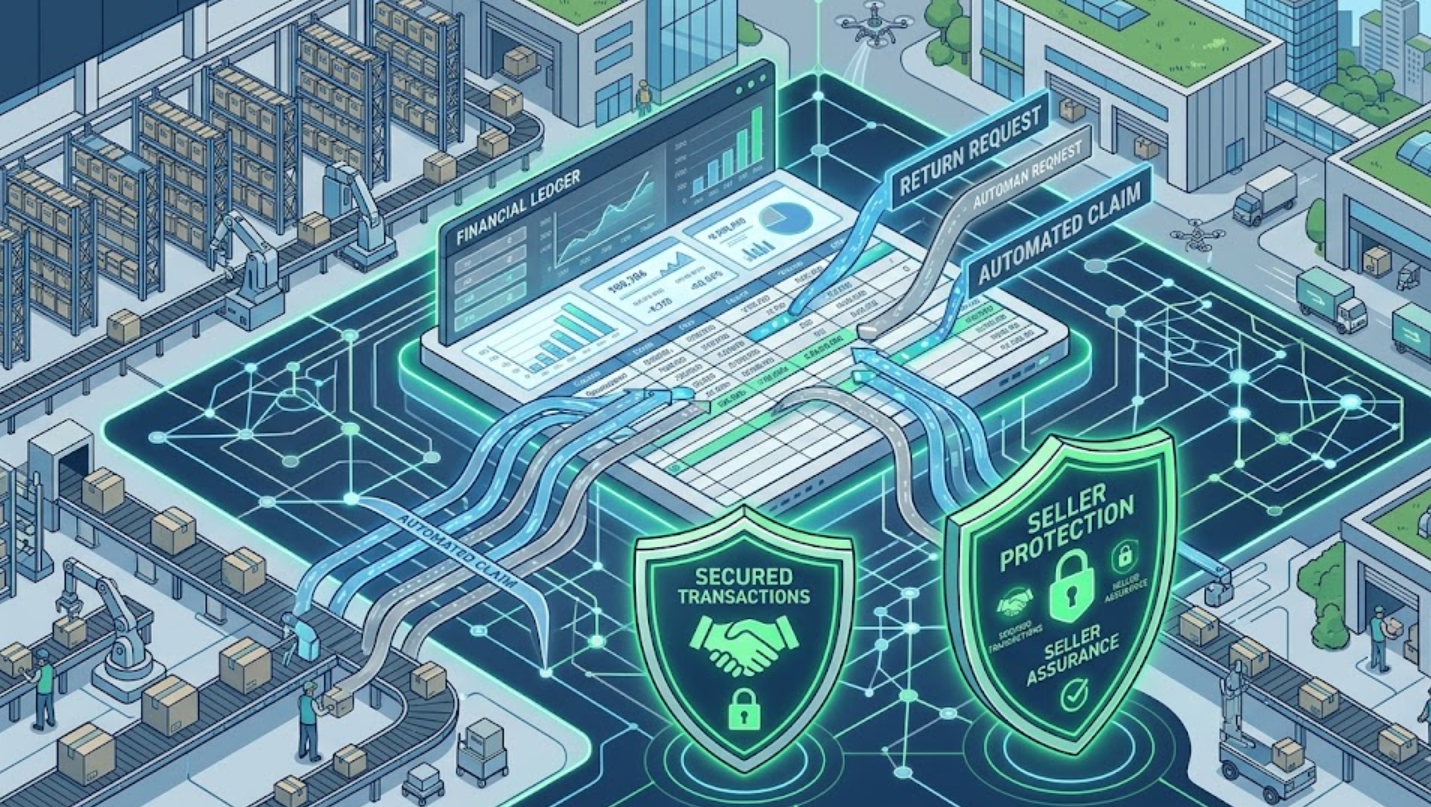
Navigating Amazon's A-to-Z Guarantee: Mitigating Seller-Funded Return Abuse
Amazon's automated A-to-Z Guarantee claims and escalating return abuse present a critical financial challenge for e-commerce sellers, often leading to uninvestigated, seller-funded losses. This trend, exacerbated by strict enforcement of doctrines like the First Sale Rule, necessitates proactive strategies to protect seller profitability. Understanding these dynamics and implementing robust mitigation tactics is essential for sustainable online business operations.
2026-04-29


