

Definition
A double blind shipment is a type of blind shipment where the flow of information is completely restricted at both ends. The shipper sends the freight without knowing the ultimate delivery address, and the consignee receives the goods without knowing the origin location or the identity of the supplier. This anonymity is crucial for preventing direct contact and maintaining the privacy of proprietary supply chains.
Core Process
The execution of a double blind shipment requires precise coordination by a logistics intermediary, such as a freight broker or 3PL. This intermediary acts as the only party with knowledge of both the origin and the destination.
• The 3PL or broker arranges the transportation and receives the freight details from the shipper.
• The 3PL prepares two separate Bills of Lading (BOLs). The BOL presented to the consignee lists the 3PL's location as the origin, masking the true shipper.
• The BOL presented to the original shipper lists the 3PL's location as the destination, masking the ultimate consignee.
• The original supplier’s name is scrubbed from all packaging, labels, and documentation to ensure complete identity protection.
Expert Advice
Utilizing double blind shipments is essential for businesses engaged in drop shipping, competitive sourcing, or acting as an exclusive distributor where maintaining commercial distance is vital. To ensure success, always partner with a technologically capable 3PL that has established protocols for documentation handling and information control. Errors in paperwork can unintentionally reveal the identity of one party, defeating the purpose.
Key Takeaways
• Protects proprietary sourcing relationships.
• Prevents suppliers from soliciting the end customer directly.
• Requires careful documentation management by a third party.
• Essential for middleman operations and distribution security.
-

Navigating Amazon's Account Level Reserve (ALR) and Cash Flow Throttling: A Guide for Sellers
Amazon's Account Level Reserve (ALR) and "Delivery Date + 7 days" (DD+7) disbursement policies are severely impacting seller cash flow, making it challenging to pay suppliers and restock inventory. Understanding these mechanisms is crucial for maintaining financial stability and operational efficiency in e-commerce. Strategic logistics and proactive financial planning can help mitigate these significant funding delays.
2026-05-06
-
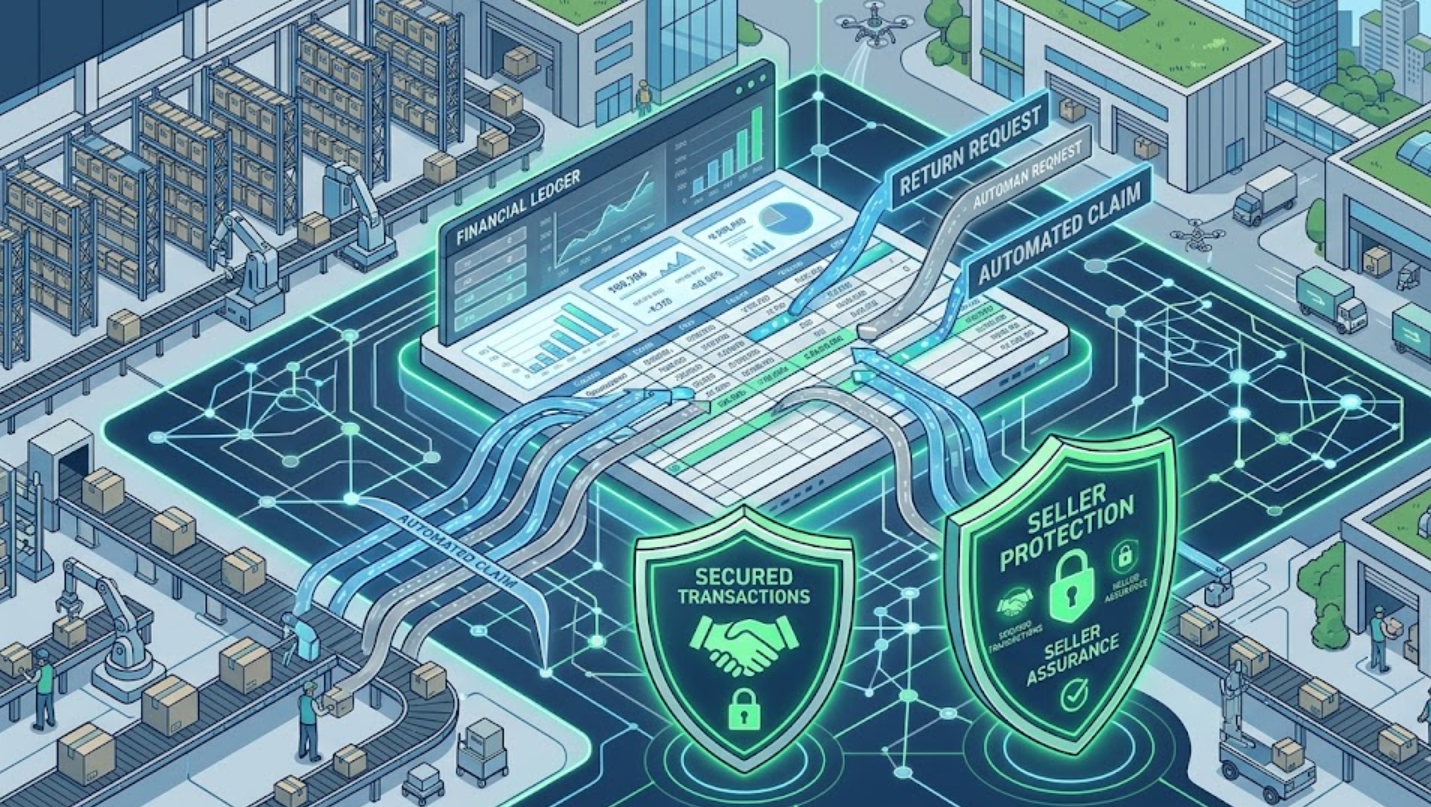
Navigating Amazon's A-to-Z Guarantee: Mitigating Seller-Funded Return Abuse
Amazon's automated A-to-Z Guarantee claims and escalating return abuse present a critical financial challenge for e-commerce sellers, often leading to uninvestigated, seller-funded losses. This trend, exacerbated by strict enforcement of doctrines like the First Sale Rule, necessitates proactive strategies to protect seller profitability. Understanding these dynamics and implementing robust mitigation tactics is essential for sustainable online business operations.
2026-04-29


