

Definition
Domestic Inland Transit (DIT) describes the entire process of moving commercial cargo exclusively within the geographical limits of one sovereign nation. This transportation phase often occurs immediately after cargo clears customs at a sea port or airport, or prior to loading for export. It is distinct from international freight forwarding as it deals solely with internal infrastructure and national regulatory compliance.
Core Processes and Modes
DIT utilizes several primary modes of transport, often combined in a multimodal strategy to optimize cost and speed.
• Trucking (Road Transport): The most flexible and common mode, essential for last-mile delivery and door-to-door service.
• Rail Transport: Highly efficient for moving large volumes of bulk or containerized freight over long distances between major intermodal yards.
• Inland Waterways: Utilizing barges and vessels on rivers or canals for heavy, non-urgent cargo, particularly effective in regions with navigable river systems.
The core function of DIT often includes drayage (short-distance movement of containers from a port to a nearby rail head or warehouse) followed by the main line haul (long-distance movement).
Expert Advice for Optimization
Optimizing DIT requires strategic planning focused on minimizing dwell time and ensuring route efficiency. Businesses should prioritize robust carrier relationships and technology integration.
• Network Design: Design your domestic network around minimizing transloading events and maximizing full truckload (FTL) utilization rather than relying on inefficient less-than-truckload (LTL) shipments.
• Regulatory Compliance: Understand state-specific weight limits, hours-of-service rules for drivers, and hazardous material regulations, which can vary significantly even within one country.
• Intermodal Strategy: Leverage rail for the long-distance middle leg of the journey when speed is not paramount, shifting to trucking only for the initial and final legs to capture significant cost savings and reduce carbon footprint.
Key Takeaways
• DIT is essential for supply chain continuity after international shipping.
• Success depends on efficient multimodal coordination (truck, rail, water).
• Operational compliance with national and regional transport laws is non-negotiable.
-

Navigating Amazon's Account Level Reserve (ALR) and Cash Flow Throttling: A Guide for Sellers
Amazon's Account Level Reserve (ALR) and "Delivery Date + 7 days" (DD+7) disbursement policies are severely impacting seller cash flow, making it challenging to pay suppliers and restock inventory. Understanding these mechanisms is crucial for maintaining financial stability and operational efficiency in e-commerce. Strategic logistics and proactive financial planning can help mitigate these significant funding delays.
2026-05-06
-
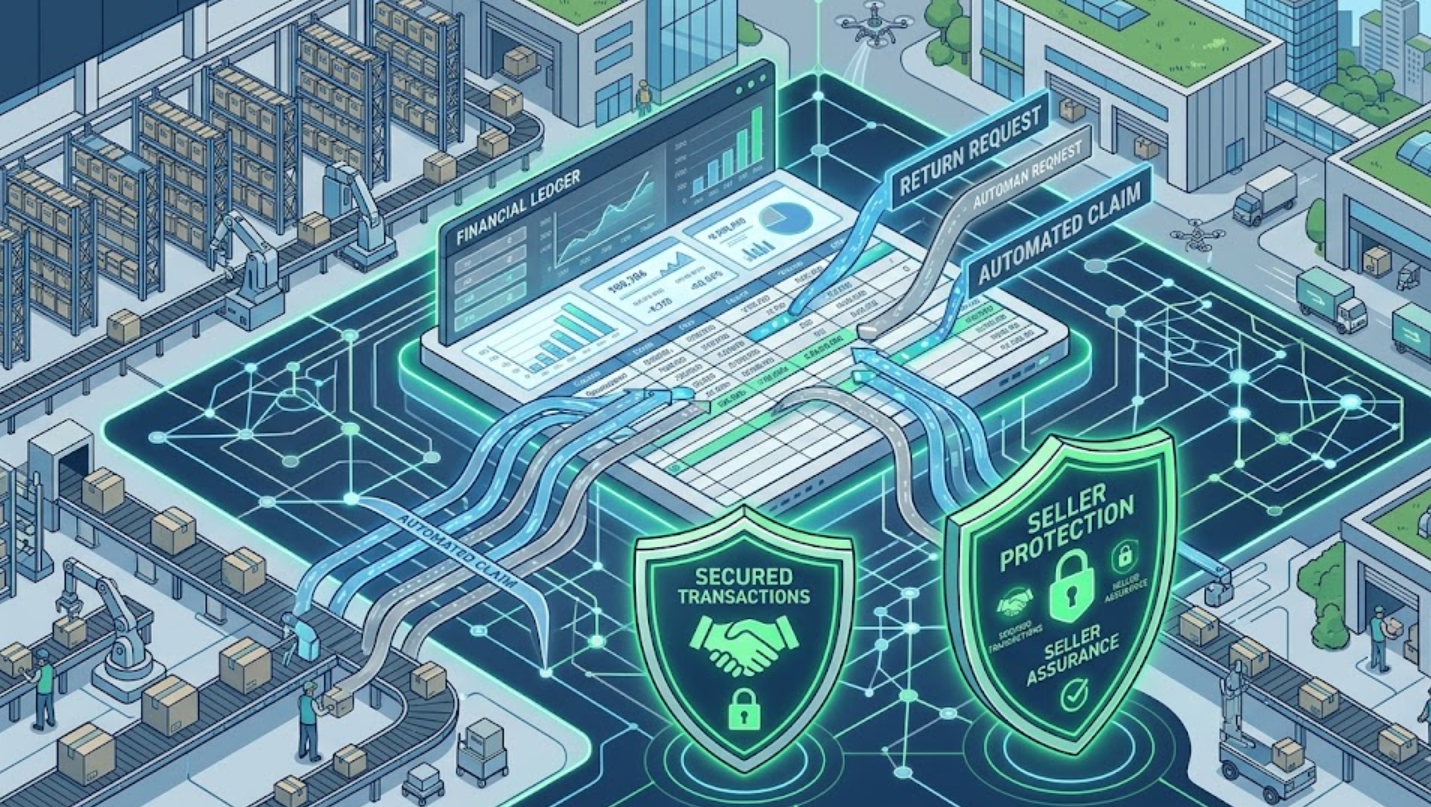
Navigating Amazon's A-to-Z Guarantee: Mitigating Seller-Funded Return Abuse
Amazon's automated A-to-Z Guarantee claims and escalating return abuse present a critical financial challenge for e-commerce sellers, often leading to uninvestigated, seller-funded losses. This trend, exacerbated by strict enforcement of doctrines like the First Sale Rule, necessitates proactive strategies to protect seller profitability. Understanding these dynamics and implementing robust mitigation tactics is essential for sustainable online business operations.
2026-04-29


