

Definition
Customs representation outlines how a customs agent acts when submitting a customs declaration to authorities. This relationship is critical as it defines who is legally recognized as the declarant and, consequently, who holds the primary legal liability for declaration accuracy and customs debt.
Direct Representation
In direct representation, a customs agent lodges the declaration exclusively in the name of and on behalf of the stakeholder (the importer or exporter).
The stakeholder is the official declarant and, as such, assumes sole responsibility for the declaration’s accuracy, completeness, and any resulting customs debt. In the EU, the basis for this kind of representation is Article 18 UCC.
Indirect Representation
In indirect representation, a customs agent lodges a declaration in his or her own name but on behalf of the stakeholder.
The customs agent who acts as an indirect representative becomes the declarant and, as such, assumes joint and several responsibility for the content and liability of the declaration, alongside the stakeholder. This model is commonly used when the stakeholder is established outside the import country and cannot act as the declarant themselves. In the EU, the basis for this kind of representation is Article 18 UCC.
Expert Advice
The choice between direct and indirect representation is primarily a strategic decision regarding legal liability and compliance. Non-EU established businesses are often mandated by law to use indirect representation, which provides a layer of local liability. EU-established businesses typically use direct representation to maintain full control over the process and costs.
Key Takeaways
• Direct representation places full legal responsibility solely on the importing stakeholder.
• Indirect representation creates shared and joint liability between the customs agent and the stakeholder.
• Non-established businesses frequently require indirect representation to fulfill local customs establishment requirements.
• Always clarify the type of representation being utilized before authorizing any customs declaration.
-

Navigating Amazon's Account Level Reserve (ALR) and Cash Flow Throttling: A Guide for Sellers
Amazon's Account Level Reserve (ALR) and "Delivery Date + 7 days" (DD+7) disbursement policies are severely impacting seller cash flow, making it challenging to pay suppliers and restock inventory. Understanding these mechanisms is crucial for maintaining financial stability and operational efficiency in e-commerce. Strategic logistics and proactive financial planning can help mitigate these significant funding delays.
2026-05-06
-
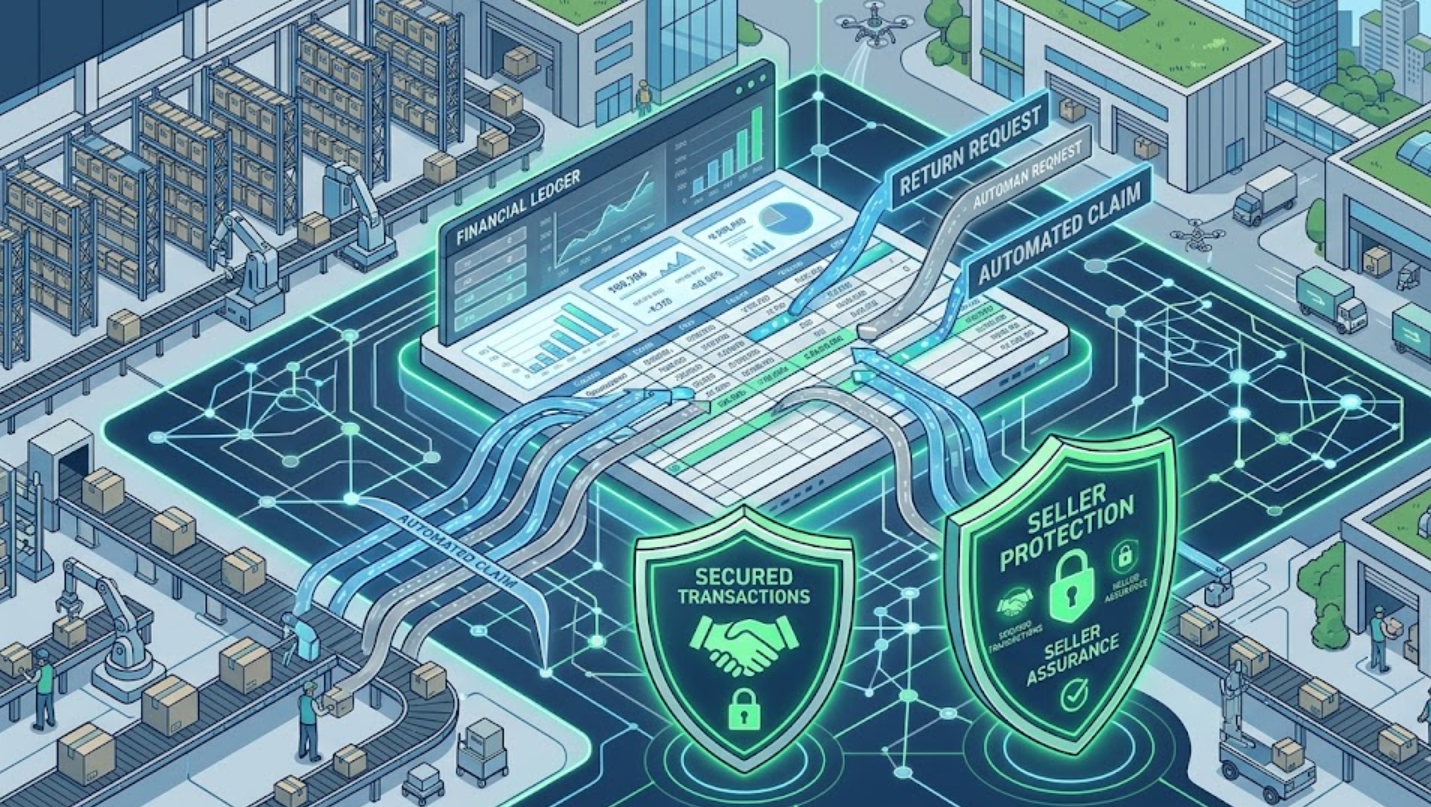
Navigating Amazon's A-to-Z Guarantee: Mitigating Seller-Funded Return Abuse
Amazon's automated A-to-Z Guarantee claims and escalating return abuse present a critical financial challenge for e-commerce sellers, often leading to uninvestigated, seller-funded losses. This trend, exacerbated by strict enforcement of doctrines like the First Sale Rule, necessitates proactive strategies to protect seller profitability. Understanding these dynamics and implementing robust mitigation tactics is essential for sustainable online business operations.
2026-04-29


