

Definition
Devanning refers specifically to the physical process of removing goods and cargo from a sealed shipping container. It is the direct opposite of stuffing or loading, which occurs at the origin point. This step marks the transition of cargo from maritime/inland transport mode into standard warehousing or distribution inventory.
Process Functions and Location
The location where devanning takes place depends entirely on the nature of the shipment:
• Full Container Load (FCL): When a shipper utilizes an entire container, the devanning typically occurs at the consignee’s designated warehouse, distribution center, or final business premises. The container is delivered directly to the end destination for unloading.
• Less than Container Load (LCL) / Deconsolidation: When multiple shipments from different clients are consolidated into one container, the container must first be routed to a Container Freight Station (CFS). At the CFS, the devanning process is often referred to as deconsolidation, where the various shipments are segregated and prepared for onward transport to their respective final destinations.
Optimizing Devanning Operations
Efficient devanning is crucial for minimizing demurrage and detention charges and improving throughput speed. Best practices involve careful planning:
• Safety and Equipment: Utilizing proper handling equipment (e.g., forklifts, pallet jacks, ramps) and ensuring strict adherence to safety protocols, especially when dealing with heavy or oddly shaped cargo.
• Inventory Control: Immediately verifying the count and condition of goods against the packing list or bill of lading during the unloading process to swiftly identify potential shortages or damage.
• Efficiency Planning: Having the necessary warehouse space and personnel ready before the container arrives to ensure immediate and smooth unloading.
-

Navigating Amazon's Account Level Reserve (ALR) and Cash Flow Throttling: A Guide for Sellers
Amazon's Account Level Reserve (ALR) and "Delivery Date + 7 days" (DD+7) disbursement policies are severely impacting seller cash flow, making it challenging to pay suppliers and restock inventory. Understanding these mechanisms is crucial for maintaining financial stability and operational efficiency in e-commerce. Strategic logistics and proactive financial planning can help mitigate these significant funding delays.
2026-05-06
-
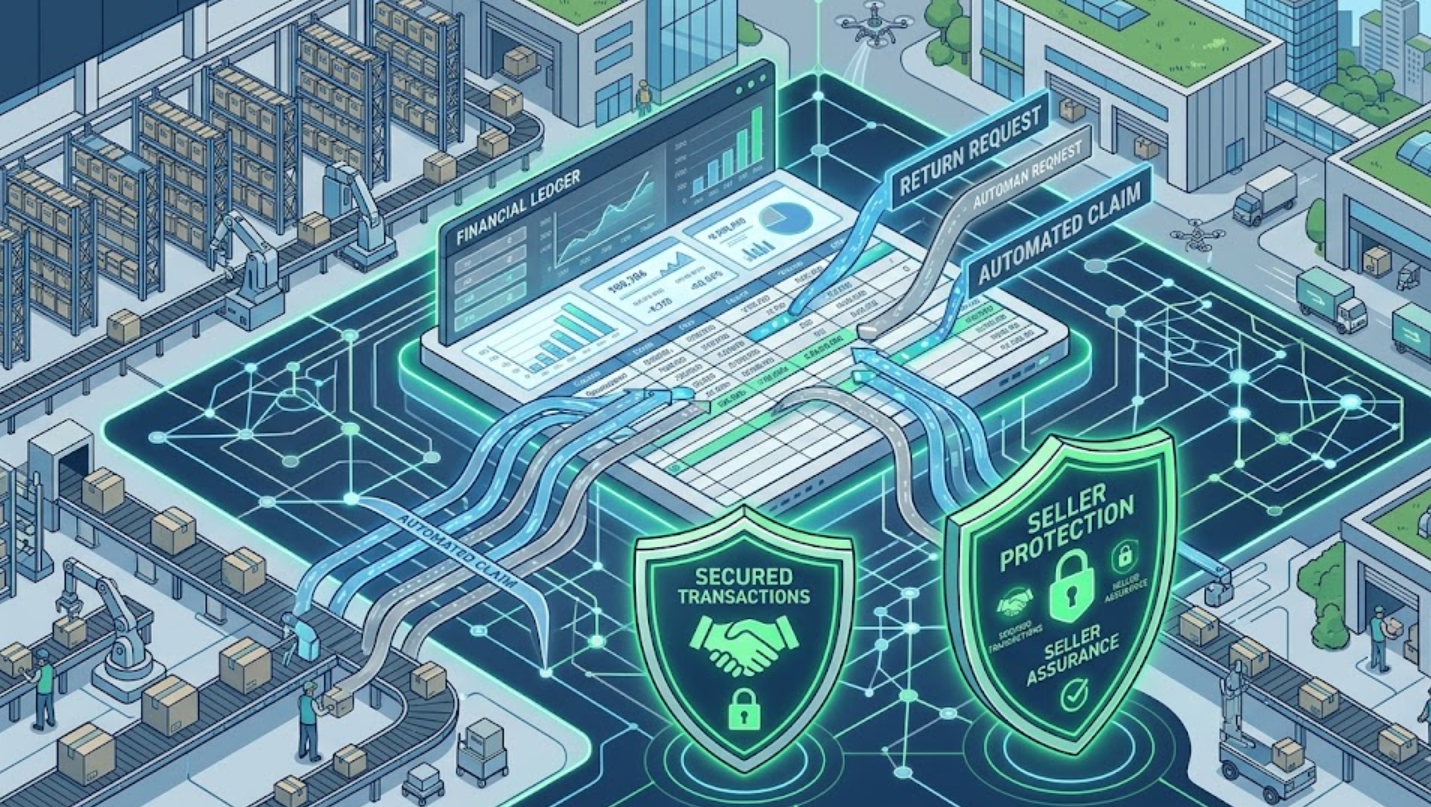
Navigating Amazon's A-to-Z Guarantee: Mitigating Seller-Funded Return Abuse
Amazon's automated A-to-Z Guarantee claims and escalating return abuse present a critical financial challenge for e-commerce sellers, often leading to uninvestigated, seller-funded losses. This trend, exacerbated by strict enforcement of doctrines like the First Sale Rule, necessitates proactive strategies to protect seller profitability. Understanding these dynamics and implementing robust mitigation tactics is essential for sustainable online business operations.
2026-04-29


