

Definition
Detention is a standardized charge assessed by ocean carriers. It is fundamentally a penalty fee applied when an importer retains control of the carrier's container (the physical metal box) for longer than the specified "free days" allowed in the shipping contract. This fee is often interchangeable with the term per diem.
Core Function and Purpose
The primary goal of implementing detention charges is efficiency and fleet management. Carriers operate on tight schedules and depend on the rapid cycling of their equipment. By charging a daily fee for late returns, carriers strongly discourage importers from using valuable ocean containers as temporary storage units, ensuring equipment availability for subsequent shipments.
Distinction from Demurrage
It is essential to distinguish detention from demurrage. Demurrage is the fee incurred for storing the container while it is still inside the marine terminal or port facility after the free days expire. Detention, conversely, applies only after the container has been moved out of the port gate (referred to as the "container out" gate move) and is in the consignee's possession.
Expert Mitigation Strategies
High detention charges can severely erode profit margins. Logistics professionals should focus on minimizing turnaround time (turn time) for container unloading.
• If logistical delays or cargo storage needs require more time, immediately schedule the unloading (de-vanning) of the container at a third-party warehouse.
• Warehouse storage fees are almost universally cheaper than the daily per diem rates charged by ocean carriers.
• By unloading the cargo and arranging for the trucker to return the empty container promptly, the importer halts the daily accrual of detention fees, reducing overall supply chain costs significantly.
-

Navigating Amazon's Account Level Reserve (ALR) and Cash Flow Throttling: A Guide for Sellers
Amazon's Account Level Reserve (ALR) and "Delivery Date + 7 days" (DD+7) disbursement policies are severely impacting seller cash flow, making it challenging to pay suppliers and restock inventory. Understanding these mechanisms is crucial for maintaining financial stability and operational efficiency in e-commerce. Strategic logistics and proactive financial planning can help mitigate these significant funding delays.
2026-05-06
-
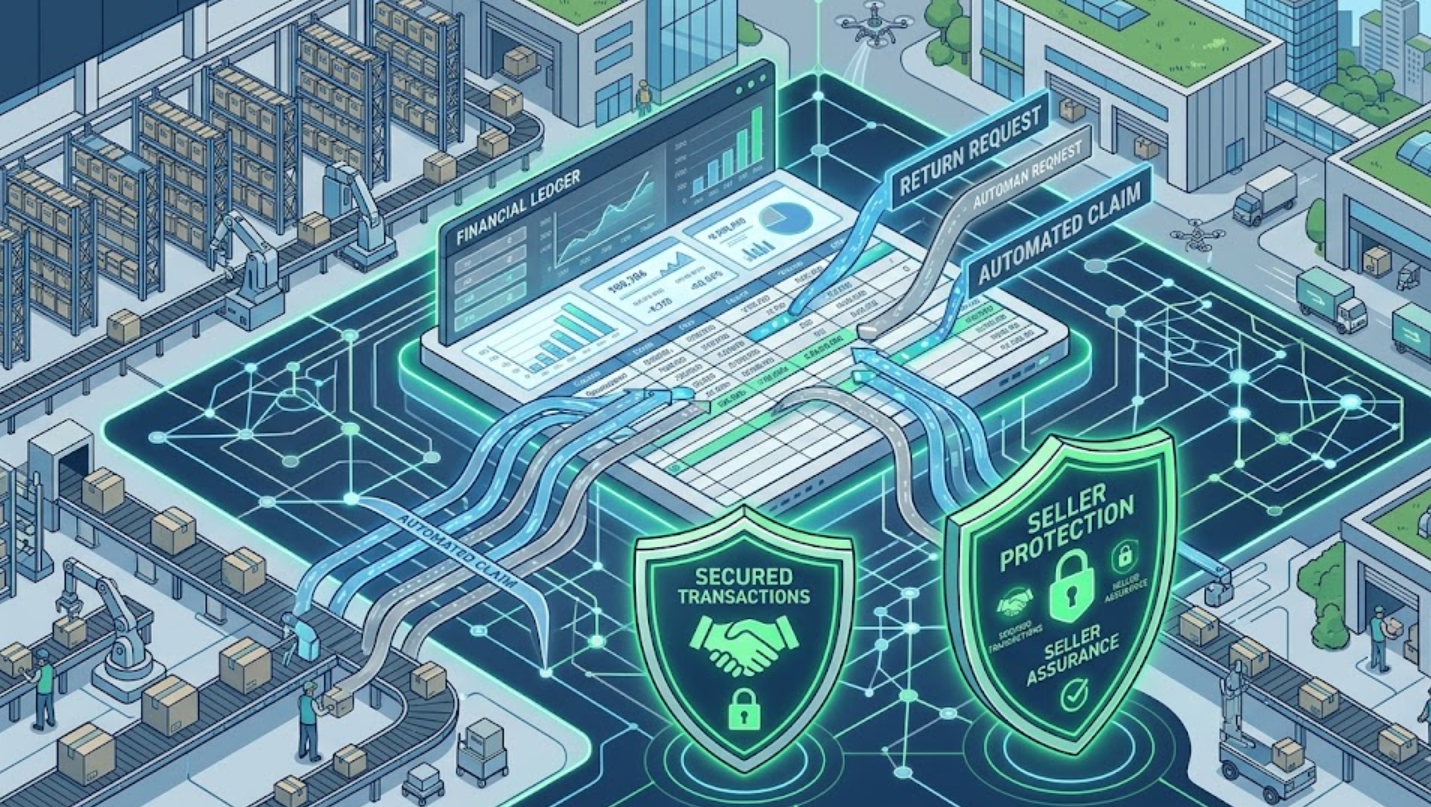
Navigating Amazon's A-to-Z Guarantee: Mitigating Seller-Funded Return Abuse
Amazon's automated A-to-Z Guarantee claims and escalating return abuse present a critical financial challenge for e-commerce sellers, often leading to uninvestigated, seller-funded losses. This trend, exacerbated by strict enforcement of doctrines like the First Sale Rule, necessitates proactive strategies to protect seller profitability. Understanding these dynamics and implementing robust mitigation tactics is essential for sustainable online business operations.
2026-04-29


