

Definition
Demurrage is the fee assessed by the port or terminal facility if your cargo remains at the facility after the Last Free Day (LFD). This charge applies while the container is physically located on the terminal grounds.
Charging Structure and Cost
Demurrage is charged per container, per day, until the cargo is successfully picked up from the terminal. The specific rates are determined by the port and terminal.
Typical cost ranges:
• Anywhere from $75 - $200 per container, per day, is standard.
• Terminals frequently employ progressive pricing, meaning the daily fee increases after a certain number of days to strongly incentivize timely pickup.
• These costs can be substantial, especially when combined with separate per diem or detention fees.
Expert Avoidance Advice
The key strategy for mitigating demurrage exposure is proactive communication and meticulous destination planning. It is vital to communicate with your logistics partners if a delay at the destination warehouse could push pickup past the LFD.
If a delay is unavoidable, specific preventative actions can be taken:
• Utilize a pre-pull service: The container is picked up from the highly restrictive port facility and temporarily stored at the trucker’s private yard (often called a drop-yard).
• Benefit of pre-pull: Storage fees assessed at a private yard are significantly less expensive than the demurrage fees charged by the terminal, offering substantial savings.
-

Navigating Amazon's Account Level Reserve (ALR) and Cash Flow Throttling: A Guide for Sellers
Amazon's Account Level Reserve (ALR) and "Delivery Date + 7 days" (DD+7) disbursement policies are severely impacting seller cash flow, making it challenging to pay suppliers and restock inventory. Understanding these mechanisms is crucial for maintaining financial stability and operational efficiency in e-commerce. Strategic logistics and proactive financial planning can help mitigate these significant funding delays.
2026-05-06
-
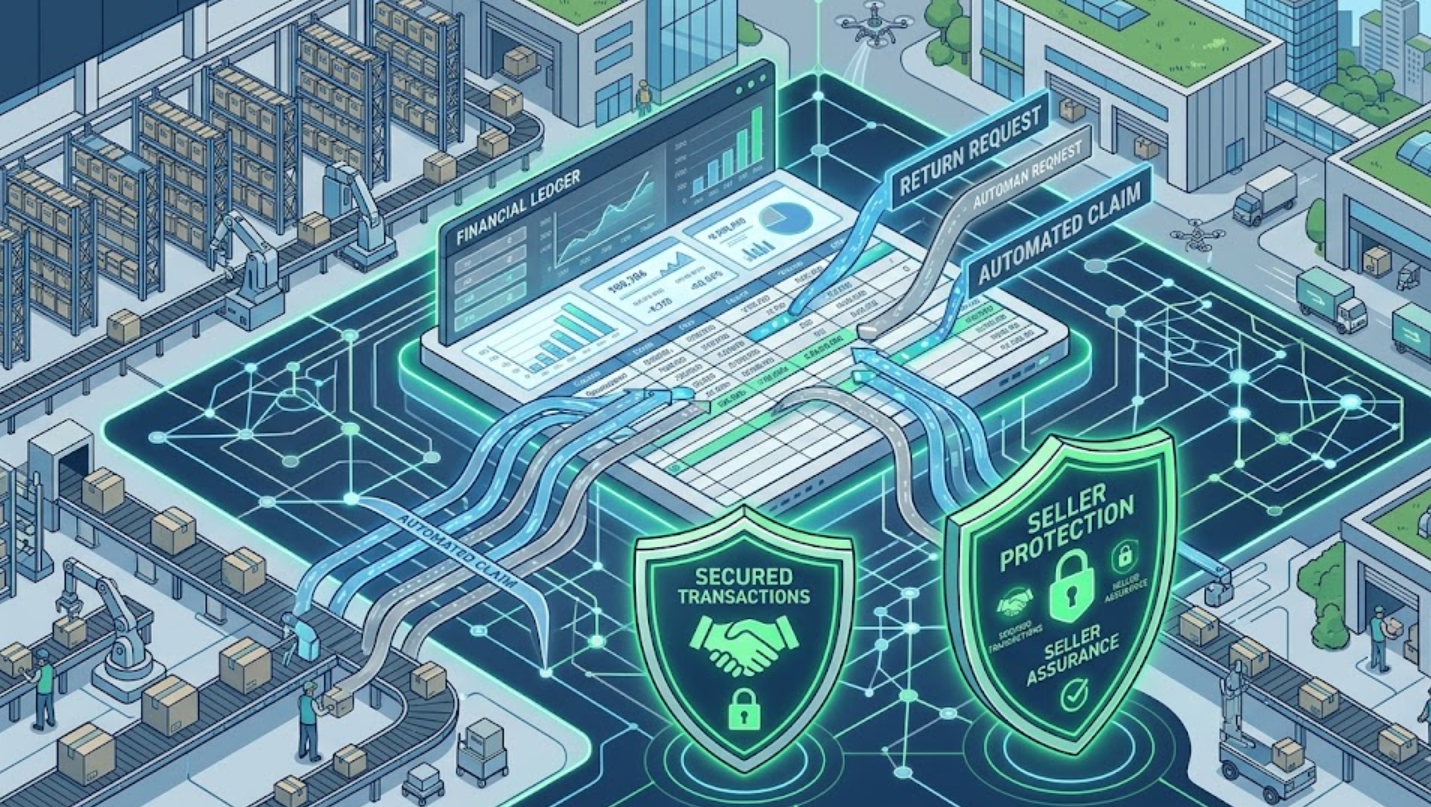
Navigating Amazon's A-to-Z Guarantee: Mitigating Seller-Funded Return Abuse
Amazon's automated A-to-Z Guarantee claims and escalating return abuse present a critical financial challenge for e-commerce sellers, often leading to uninvestigated, seller-funded losses. This trend, exacerbated by strict enforcement of doctrines like the First Sale Rule, necessitates proactive strategies to protect seller profitability. Understanding these dynamics and implementing robust mitigation tactics is essential for sustainable online business operations.
2026-04-29


