

Definition
A Delivery Order (DO) is the formal instruction document provided by the logistics coordinator to the trucking company responsible for the final delivery of goods. It acts as the authorization for the trucker to take possession of the cargo at the origin point (often a port, rail ramp, or warehouse) and transport it to the final receiver.
Core Function and Contents
The primary function of the DO is to ensure alignment between the consignee's needs and the carrier's capabilities, preventing costly delays or failed deliveries. Key information contained within a Delivery Order includes:
• Specific pickup location (e.g., container yard address or warehouse gate)
• Final delivery address, contact person, and receiving hours
• Shipment details (container number, seal number, quantity of packages)
• Required service enhancements or special instructions
Special Instructions and Preparation
Delivery Orders are essential for communicating unique handling requirements necessary for a successful drop-off. These instructions ensure the motor carrier arrives fully equipped. Examples of critical special instructions include:
• Liftgate Required: Necessary if the delivery location does not have a loading dock and the freight needs to be lowered to ground level.
• Drop Trailer/Live Unload: Specifies whether the trucker will drop the trailer for later unloading or wait while the consignee unloads immediately.
• Inside Delivery/Stair Carry: Indicates if the driver must move the freight past the receiving dock.
Expert Advice
To guarantee the trucker is prepared for a successful delivery, effective communication with your operations team is paramount. The client must accurately relay all delivery location accommodations and restrictions before the DO is finalized.
• Always confirm the delivery facility’s hours of operation, any required appointments, and dock capabilities (e.g., standard dock vs. need for ground access).
• Communicate access restrictions, such as limited turn radii for 53-foot trailers or time-of-day restrictions for residential areas.
• Inaccurate DO instructions lead to detention fees, redelivery charges, and service failures.
-

Navigating Amazon's Account Level Reserve (ALR) and Cash Flow Throttling: A Guide for Sellers
Amazon's Account Level Reserve (ALR) and "Delivery Date + 7 days" (DD+7) disbursement policies are severely impacting seller cash flow, making it challenging to pay suppliers and restock inventory. Understanding these mechanisms is crucial for maintaining financial stability and operational efficiency in e-commerce. Strategic logistics and proactive financial planning can help mitigate these significant funding delays.
2026-05-06
-
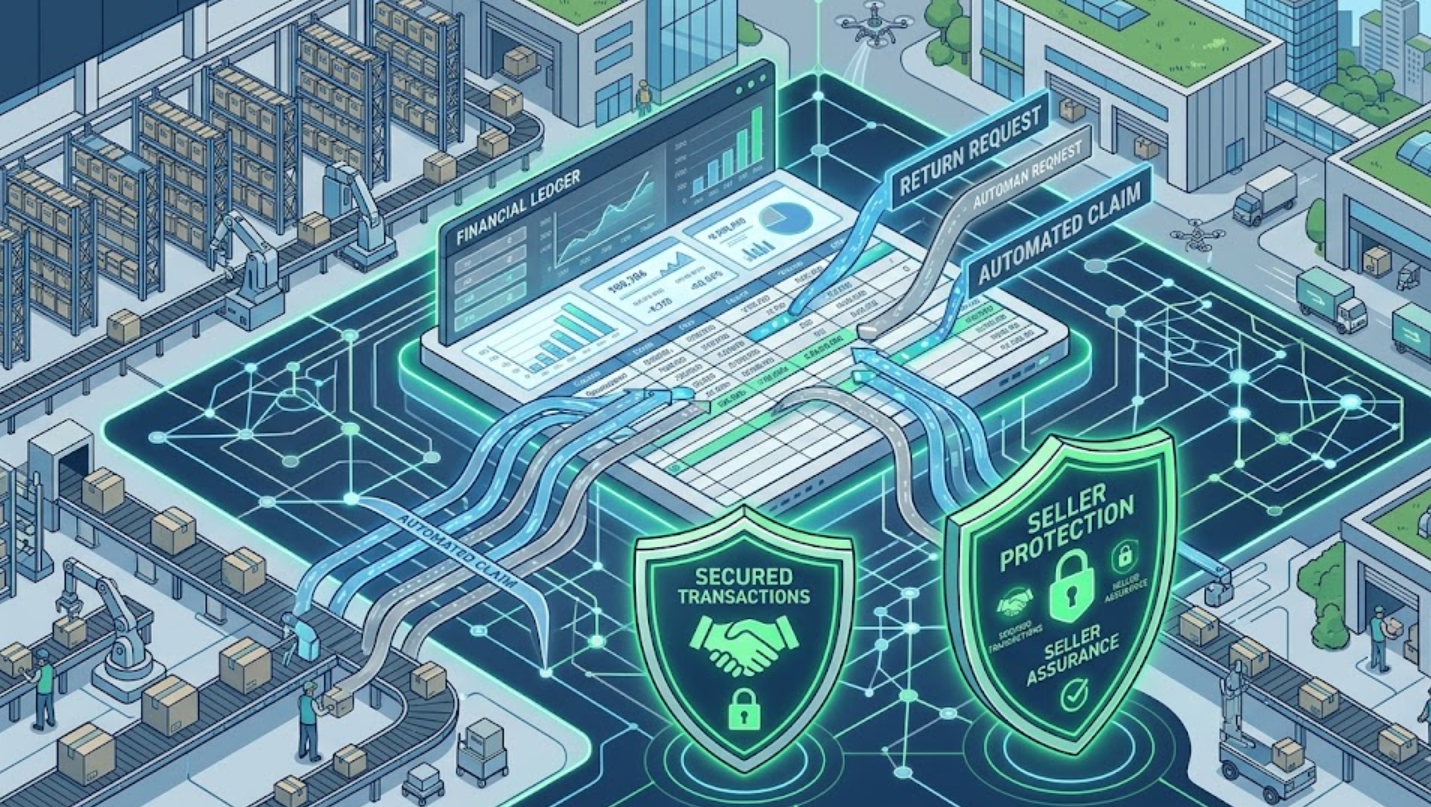
Navigating Amazon's A-to-Z Guarantee: Mitigating Seller-Funded Return Abuse
Amazon's automated A-to-Z Guarantee claims and escalating return abuse present a critical financial challenge for e-commerce sellers, often leading to uninvestigated, seller-funded losses. This trend, exacerbated by strict enforcement of doctrines like the First Sale Rule, necessitates proactive strategies to protect seller profitability. Understanding these dynamics and implementing robust mitigation tactics is essential for sustainable online business operations.
2026-04-29


