

Definition
Deconsolidation is the systematic process of breaking down a containerized shipment that holds cargo from multiple shippers (LCL cargo) into the original separate consignments. This must occur before customs clearance and final delivery to the respective consignees, ensuring each shipment can proceed through the final stages of the journey.
Core Process and Function
This operation is typically executed at a designated Container Freight Station (CFS) or similar bonded facility at the destination. The function ensures that each individual shipment is correctly identified, sorted, and prepared for transfer to local delivery carriers or forwarders.
Key Steps in Deconsolidation:
• Container Arrival and Stripping: The sealed container arrives at the CFS and is physically unloaded (stripped).
• Documentation Match: The House Bill of Lading (HBL) for each individual consignment is matched against the Master Bill of Lading (MBL) for the entire container.
• Sorting and Segregation: Cargo is physically separated based on the ultimate consignee, ensuring proper handling and compliance with specific delivery instructions.
• Customs Clearance Preparation: Once separated, each shipment can undergo localized customs inspection and clearance procedures.
Expert Advice
Efficient deconsolidation is essential for optimizing supply chain velocity and minimizing potential demurrage charges. Shippers should ensure their logistics partner provides accurate and detailed packing lists and commercial invoices. Errors in documentation at this stage frequently cause significant delays, resulting in higher storage and handling fees. Selecting a CFS known for high throughput and security is paramount to mitigating risks of damage or misrouting during the stripping and sorting phases.
Key Takeaways
• Deconsolidation reverses consolidation.
• It exclusively deals with Less-than-Container Load (LCL) shipments.
• The primary location is the Container Freight Station (CFS).
• Accurate documentation is critical to avoid delays and added costs.
-

Navigating Amazon's Account Level Reserve (ALR) and Cash Flow Throttling: A Guide for Sellers
Amazon's Account Level Reserve (ALR) and "Delivery Date + 7 days" (DD+7) disbursement policies are severely impacting seller cash flow, making it challenging to pay suppliers and restock inventory. Understanding these mechanisms is crucial for maintaining financial stability and operational efficiency in e-commerce. Strategic logistics and proactive financial planning can help mitigate these significant funding delays.
2026-05-06
-
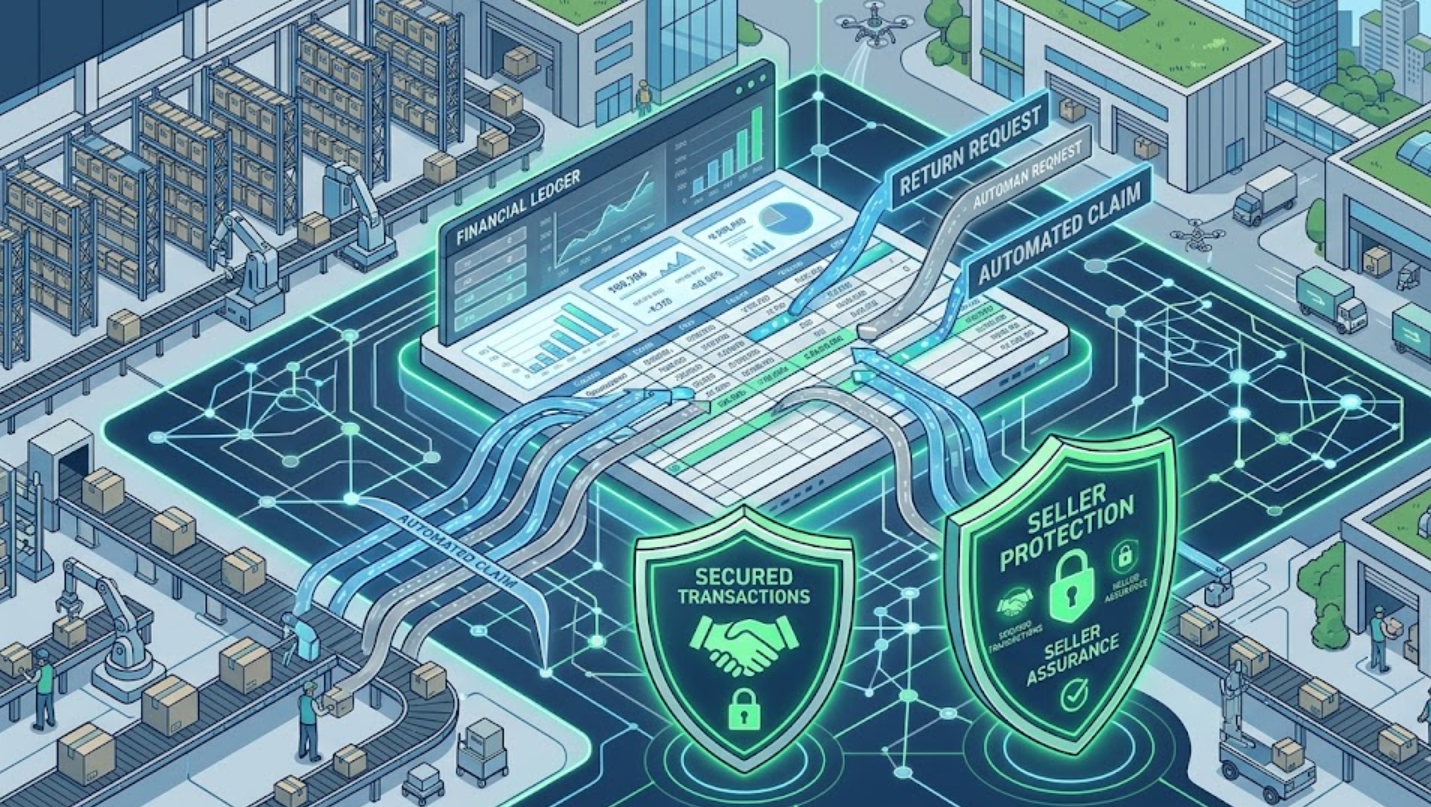
Navigating Amazon's A-to-Z Guarantee: Mitigating Seller-Funded Return Abuse
Amazon's automated A-to-Z Guarantee claims and escalating return abuse present a critical financial challenge for e-commerce sellers, often leading to uninvestigated, seller-funded losses. This trend, exacerbated by strict enforcement of doctrines like the First Sale Rule, necessitates proactive strategies to protect seller profitability. Understanding these dynamics and implementing robust mitigation tactics is essential for sustainable online business operations.
2026-04-29


