

Definition
Debris Removal coverage is an essential component of comprehensive cargo insurance policies. It provides financial protection to the shipper or goods owner against expenses incurred when residual waste, fragments, or damaged material (debris) is left at the point of destination following the unloading process.
This coverage is activated when the integrity of the goods is compromised during transit or unloading, necessitating costly cleanup operations at the receiver's facility or port.
Core Function
The primary function of this coverage is risk mitigation and financial protection against unforeseen cleanup costs. It addresses losses resulting from specific events:
• Improper or negligent unloading techniques.
• Accidents occurring during the transfer or unloading process.
• Severe damage to the shipped goods (e.g., rupture of containers, spillage).
The policy typically covers the full cost of specialized labor, necessary machinery rental, transport for disposal, and regulatory fees associated with the safe and legal removal of the hazardous or non-hazardous waste material generated by the insured cargo.
Expert Advice
Logistics professionals should never assume standard liability insurance covers major debris cleanup. When transporting specialized cargo (e.g., bulk chemicals, heavy machinery components, or perishable goods that could spoil and leak), debris removal coverage must be explicitly reviewed for adequate limits. Failure to secure sufficient coverage can result in significant out-of-pocket expenses and potential regulatory penalties if environmental cleanup is required. Always confirm the policy limits match the maximum possible cleanup scenario for the goods being shipped.
Key Takeaways
• Debris Removal is an insurance feature, not an operational service.
• It protects against costs arising from post-unloading cleanup due to incidents.
• Coverage limits should be assessed relative to the material being shipped.
• It is often mandatory for shippers handling hazardous or environmentally sensitive materials.
-

Navigating Amazon's Account Level Reserve (ALR) and Cash Flow Throttling: A Guide for Sellers
Amazon's Account Level Reserve (ALR) and "Delivery Date + 7 days" (DD+7) disbursement policies are severely impacting seller cash flow, making it challenging to pay suppliers and restock inventory. Understanding these mechanisms is crucial for maintaining financial stability and operational efficiency in e-commerce. Strategic logistics and proactive financial planning can help mitigate these significant funding delays.
2026-05-06
-
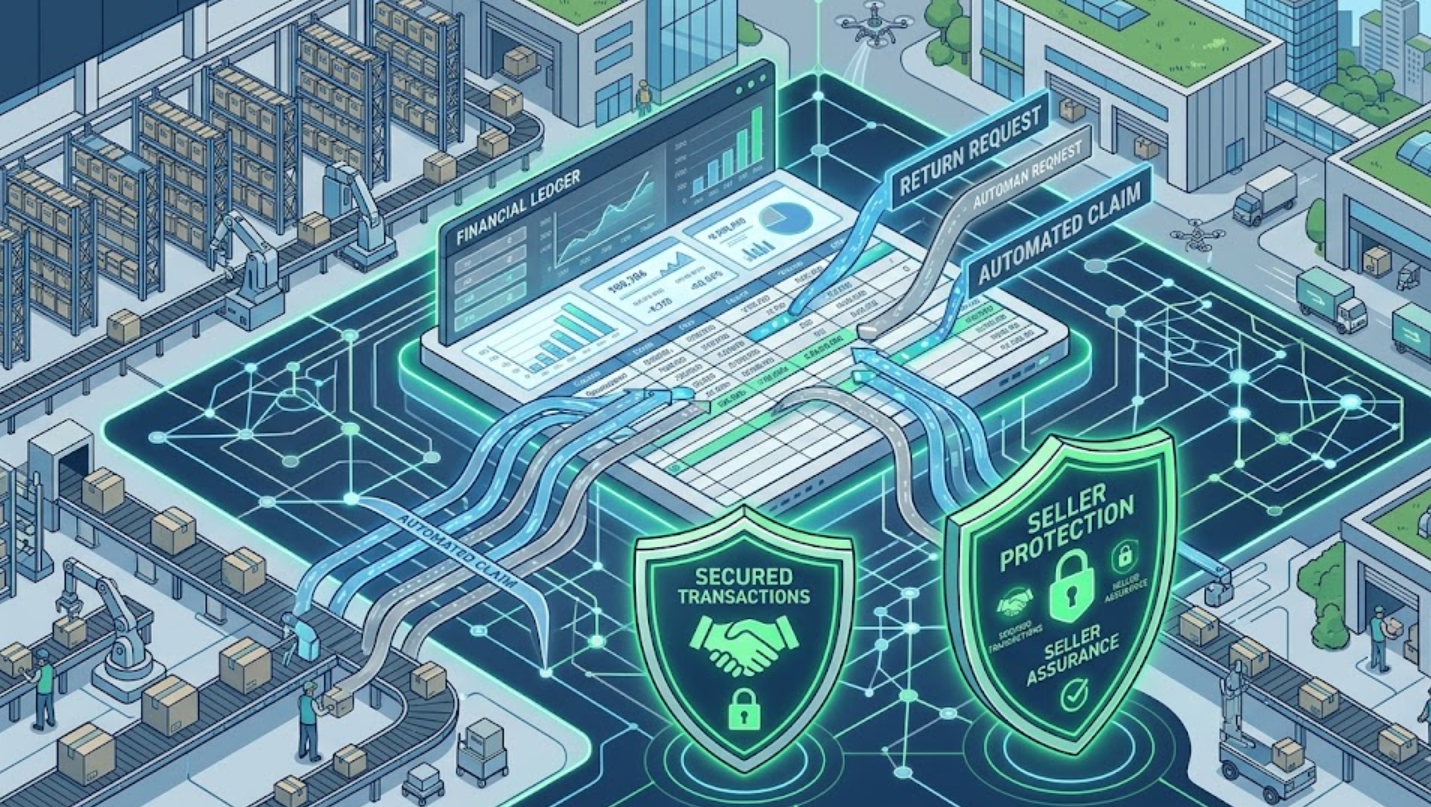
Navigating Amazon's A-to-Z Guarantee: Mitigating Seller-Funded Return Abuse
Amazon's automated A-to-Z Guarantee claims and escalating return abuse present a critical financial challenge for e-commerce sellers, often leading to uninvestigated, seller-funded losses. This trend, exacerbated by strict enforcement of doctrines like the First Sale Rule, necessitates proactive strategies to protect seller profitability. Understanding these dynamics and implementing robust mitigation tactics is essential for sustainable online business operations.
2026-04-29


