

Definition
A Customs Exam Fee is a specific charge levied on an imported shipment that has been flagged for inspection by U.S. regulatory authorities, typically Customs and Border Protection (CBP). This fee compensates the Container Freight Station (CFS) or bonded warehouse for the handling, labor, and equipment used during the physical examination process. It is incurred regardless of whether contraband or compliance issues are found.
Importer Liability and Cost Structure
The importer of record automatically accepts full financial liability for any and all customs fees incurred when bringing goods into the United States, including the Customs Exam Fee. These fees are mandatory and non-negotiable once the exam is ordered.
The final cost is highly variable and depends on the intensity and scope of the inspection:
• Fees for minor exams (non-intrusive) often start around $80 to $200.
• Fees for intensive exams (full physical inspection, movement to off-site location, stripping of the container) can easily exceed $1,000, especially for large or hazardous shipments.
• Additional costs may include demurrage or detention if the exam delays the retrieval of the container.
Types of Exams & Fees
The type of exam dictates the associated fee structure. Common exams include:
• Vacis/NII Exam: Non-Intrusive Inspection using X-ray or gamma ray technology. Lower fee, generally faster.
• Tailgate Exam: Inspection of the contents visible just inside the container doors. Moderate fee.
• Intensive Exam: Full physical unloading and inspection of the cargo at a designated facility. Highest fees due to labor and drayage costs.
Expert Advice
While Customs Exams cannot be entirely avoided, importers can reduce the likelihood of fees and complications by maintaining rigorous compliance standards and leveraging precise documentation.
• Ensure complete and accurate documentation (commercial invoice, packing list, bill of lading) is submitted promptly.
• Maintain a clean compliance record with CBP; repeat violations increase the chance of future exams.
• Factor potential customs exam costs into the total landed cost calculations, especially for high-risk commodities or first-time suppliers.
-

Navigating Amazon's Account Level Reserve (ALR) and Cash Flow Throttling: A Guide for Sellers
Amazon's Account Level Reserve (ALR) and "Delivery Date + 7 days" (DD+7) disbursement policies are severely impacting seller cash flow, making it challenging to pay suppliers and restock inventory. Understanding these mechanisms is crucial for maintaining financial stability and operational efficiency in e-commerce. Strategic logistics and proactive financial planning can help mitigate these significant funding delays.
2026-05-06
-
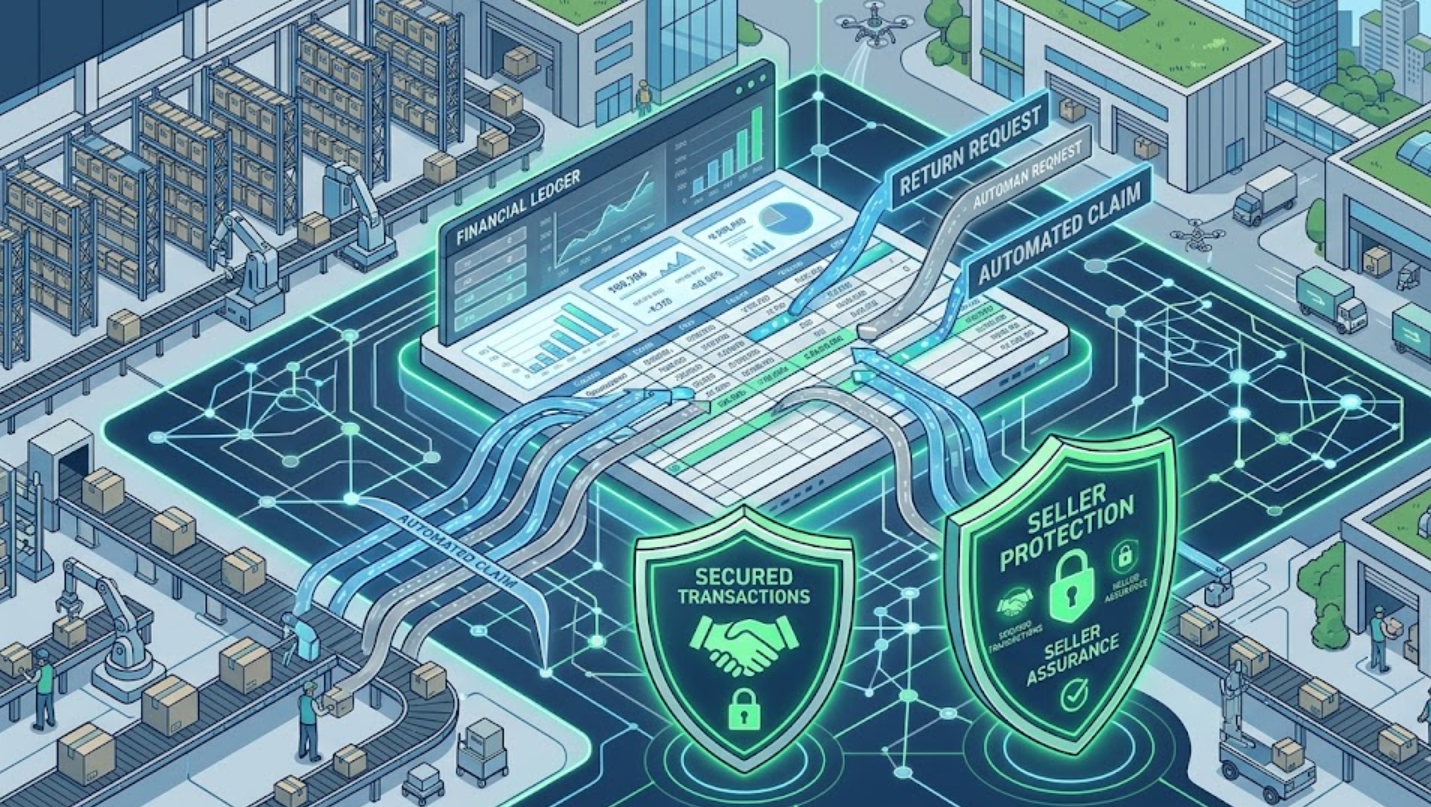
Navigating Amazon's A-to-Z Guarantee: Mitigating Seller-Funded Return Abuse
Amazon's automated A-to-Z Guarantee claims and escalating return abuse present a critical financial challenge for e-commerce sellers, often leading to uninvestigated, seller-funded losses. This trend, exacerbated by strict enforcement of doctrines like the First Sale Rule, necessitates proactive strategies to protect seller profitability. Understanding these dynamics and implementing robust mitigation tactics is essential for sustainable online business operations.
2026-04-29


