

Definition of Customs Exam
A Customs Exam is a formal inspection process initiated by US Customs and Border Protection (CBP) to ensure that imported goods comply with all federal regulations, safety standards, and intellectual property laws. These exams are essential components of supply chain security and trade compliance.
CBP typically utilizes three primary levels of examination:
• X-Ray Exam: A non-intrusive inspection using advanced scanning equipment to view the contents of the container without opening it.
• Tail Gate Exam: A minimal intrusive inspection where the seal is broken and the container doors are opened to allow CBP to inspect the immediate contents near the door.
• Intensive Exam: The most thorough inspection, requiring the container to be stripped (unloaded) at a CBP-designated Centralized Examination Station (CES) for a detailed physical examination of all cargo.
Selection Process and Targeting System
CBP selects shipments for examination using a sophisticated, confidential risk-based targeting system. This system assigns a score to every incoming shipment based on various data points. If the score exceeds a predefined threshold, it triggers further review, potentially resulting in a hold and subsequent exam.
Data Sources and Risk Triggers
CBP gathers critical data necessary for risk assessment from mandatory filings required prior to shipment arrival. The primary data sources are the Automated Manifest System (AMS) and the Importer Security Filing (ISF - 10+2).
Based on the data and subsequent targeting score, CBP may then put a variety of holds on the shipment for further action before it can be released or possibly detained for physical examination. Factors that increase risk scoring include:
• Importer History: First-time importers are inspected at a much higher frequency than established companies.
• Commodity Classification: Goods frequently associated with misclassification or IPR violations.
• Inaccurate or late data submission.
Expert Advice for Importers
While Customs exams are an inherent risk in international trade, proactive measures can significantly reduce the likelihood of a high-score selection and minimize resulting delays and costs.
• Prioritize Accuracy: Ensure all required filings (ISF, entry documents) are submitted completely, accurately, and well ahead of deadlines. Inaccurate data is a major trigger for holds.
• Maintain Compliance History: Work with a trusted customs broker to pre-vet documentation and ensure proper Harmonized Tariff Schedule (HTS) classifications are used, actively building a clean compliance history with CBP.
-

Navigating Amazon's Account Level Reserve (ALR) and Cash Flow Throttling: A Guide for Sellers
Amazon's Account Level Reserve (ALR) and "Delivery Date + 7 days" (DD+7) disbursement policies are severely impacting seller cash flow, making it challenging to pay suppliers and restock inventory. Understanding these mechanisms is crucial for maintaining financial stability and operational efficiency in e-commerce. Strategic logistics and proactive financial planning can help mitigate these significant funding delays.
2026-05-06
-
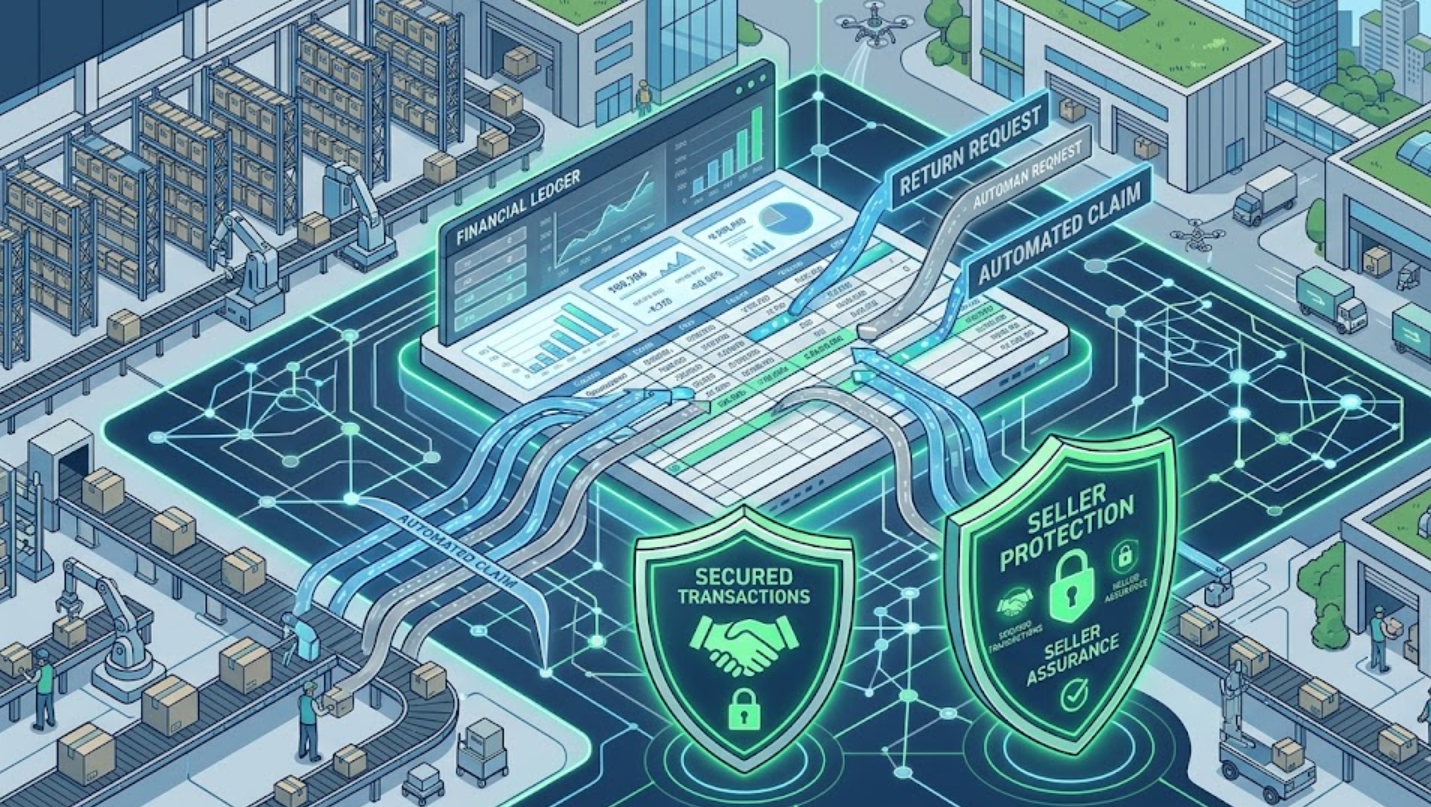
Navigating Amazon's A-to-Z Guarantee: Mitigating Seller-Funded Return Abuse
Amazon's automated A-to-Z Guarantee claims and escalating return abuse present a critical financial challenge for e-commerce sellers, often leading to uninvestigated, seller-funded losses. This trend, exacerbated by strict enforcement of doctrines like the First Sale Rule, necessitates proactive strategies to protect seller profitability. Understanding these dynamics and implementing robust mitigation tactics is essential for sustainable online business operations.
2026-04-29


