

Definition
Customs clearance is the process of preparing and submitting the necessary documentation required to facilitate the import or export of goods across international borders. This procedure ensures that shipments comply with the legal and regulatory requirements of the destination country, including payment of duties, taxes, and customs fees. Successful clearance minimizes delays and ensures legal compliance in global trade.
Core Functions and Process
The customs process is multi-faceted and requires coordination between the importer/exporter, the carrier, and the governing customs agency. Key steps include classification, valuation, and declaration.
• Goods Classification: Determining the correct Harmonized System (HS) code for the goods, which dictates the applicable duty rate and regulatory controls.
• Valuation: Calculating the customs value of the goods (often based on the transaction price) to assess duties and taxes accurately.
• Documentation Submission: Filing essential paperwork, such as commercial invoices, packing lists, bills of lading/airway bills, and certificates of origin.
• Duty and Tax Payment: Remitting the calculated tariffs, VAT, excise taxes, and applicable fees to customs authorities.
• Physical Inspection: Goods may be selected for examination to verify the declared contents and compliance.
Expert Advice from Logicmile Consulting
Proper customs planning is crucial for supply chain integrity. Relying solely on carriers for clearance often leads to transactional errors and missed optimization opportunities. Logicmile recommends proactive compliance audits and strategic use of free trade agreements (FTAs).
• Utilize a qualified Customs Broker or consultant to manage filings, ensuring accuracy and avoiding costly penalties.
• Implement robust internal controls to classify goods correctly (HS Code verification is paramount).
• Explore duty mitigation strategies, such as bonded warehousing or special trade programs, to enhance cash flow.
Key Takeaways
Navigating customs clearance successfully is non-negotiable for international trade. It requires expertise in tariff schedules, valuation methods, and local regulations. Non-compliance results in severe delays, fines, seizure of goods, and reputational damage.
-

Navigating Amazon's Account Level Reserve (ALR) and Cash Flow Throttling: A Guide for Sellers
Amazon's Account Level Reserve (ALR) and "Delivery Date + 7 days" (DD+7) disbursement policies are severely impacting seller cash flow, making it challenging to pay suppliers and restock inventory. Understanding these mechanisms is crucial for maintaining financial stability and operational efficiency in e-commerce. Strategic logistics and proactive financial planning can help mitigate these significant funding delays.
2026-05-06
-
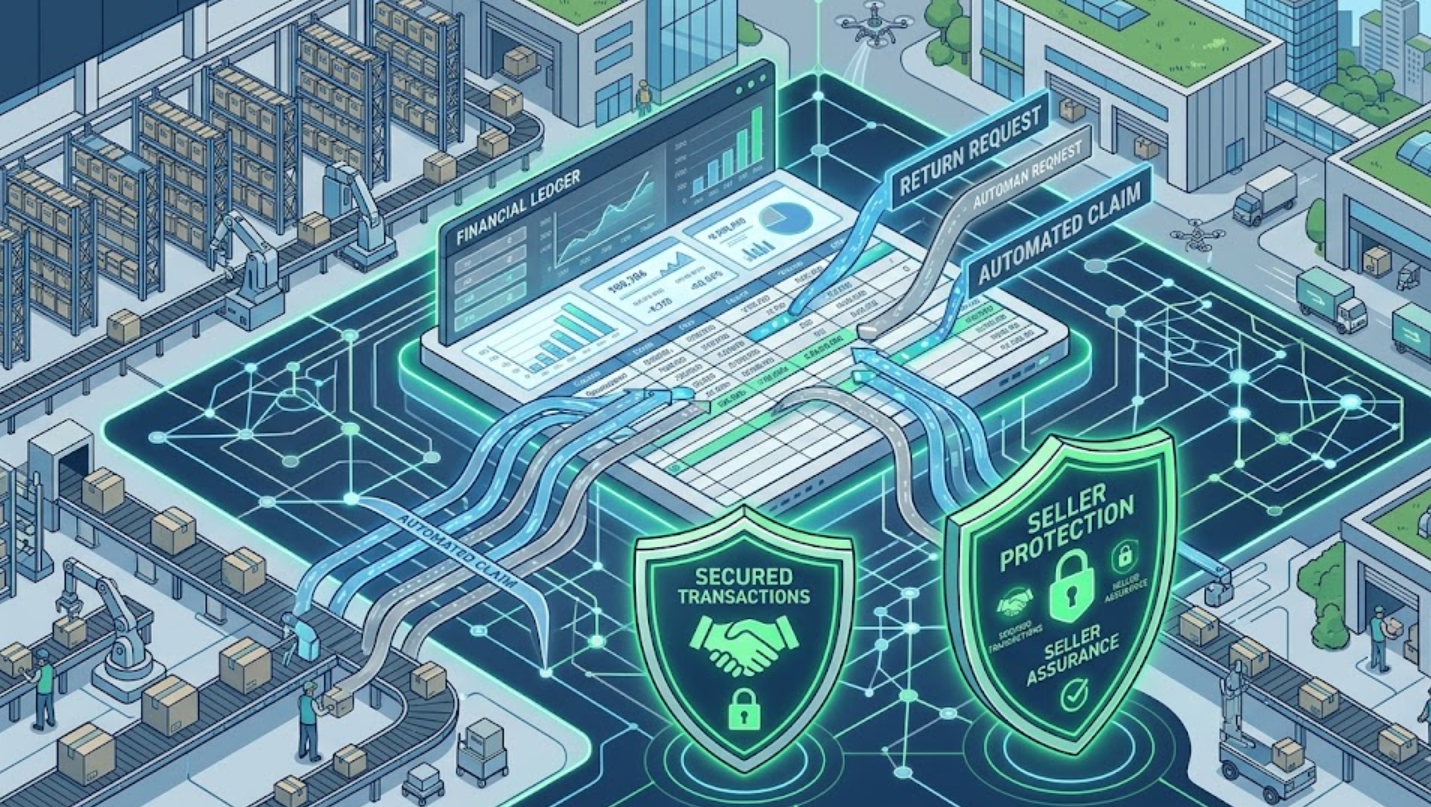
Navigating Amazon's A-to-Z Guarantee: Mitigating Seller-Funded Return Abuse
Amazon's automated A-to-Z Guarantee claims and escalating return abuse present a critical financial challenge for e-commerce sellers, often leading to uninvestigated, seller-funded losses. This trend, exacerbated by strict enforcement of doctrines like the First Sale Rule, necessitates proactive strategies to protect seller profitability. Understanding these dynamics and implementing robust mitigation tactics is essential for sustainable online business operations.
2026-04-29


