

Definition
A customs brokerage is a professional service that assists importers and exporters in managing the customs clearance of international shipments. A licensed customs broker ensures that all required documentation, declarations, and payments, such as duties, tariffs, and taxes, are accurately filed in compliance with government regulations. They possess expert knowledge of the Harmonized Tariff Schedule (HTS) and country-specific trade laws.
Core Function
The broker’s primary function is acting as the importer of record’s agent, coordinating with border authorities to achieve swift release of goods while maintaining legal compliance.
• Document Preparation and Filing: Creating commercial invoices, packing lists, certificates of origin, and submitting entry declarations to customs.
• HTS Classification and Valuation: Assigning the correct HS code to determine applicable duties and ensuring goods are valued correctly for tax assessment, minimizing risk of undervaluation penalties.
• Duty and Tax Payment: Calculating and remitting required duties, tariffs, and taxes (e.g., VAT, GST) on behalf of the client.
• Regulatory Compliance: Ensuring adherence to all Partner Government Agency (PGA) requirements, such as FDA, USDA, or FCC regulations, relevant to the imported goods.
• Release Coordination: Managing the physical release and coordinating delivery logistics once customs clearance is secured.
Expert Advice
To maximize supply chain predictability, businesses should prioritize brokers who specialize in their specific commodity type or trade lane. Outsourcing customs brokerage to a highly experienced firm mitigates the significant financial and operational risk associated with trade non-compliance. Continuous auditing of import procedures and staying updated on evolving trade agreements (e.g., USMCA, CPTPP) are non-negotiable for long-term efficiency.
Key Takeaways
• Customs brokers are essential for managing trade risk and complexity.
• They ensure accurate HTS classification, directly impacting landed cost.
• Using a broker speeds up border transit and minimizes costly regulatory penalties.
-

Navigating Amazon's Account Level Reserve (ALR) and Cash Flow Throttling: A Guide for Sellers
Amazon's Account Level Reserve (ALR) and "Delivery Date + 7 days" (DD+7) disbursement policies are severely impacting seller cash flow, making it challenging to pay suppliers and restock inventory. Understanding these mechanisms is crucial for maintaining financial stability and operational efficiency in e-commerce. Strategic logistics and proactive financial planning can help mitigate these significant funding delays.
2026-05-06
-
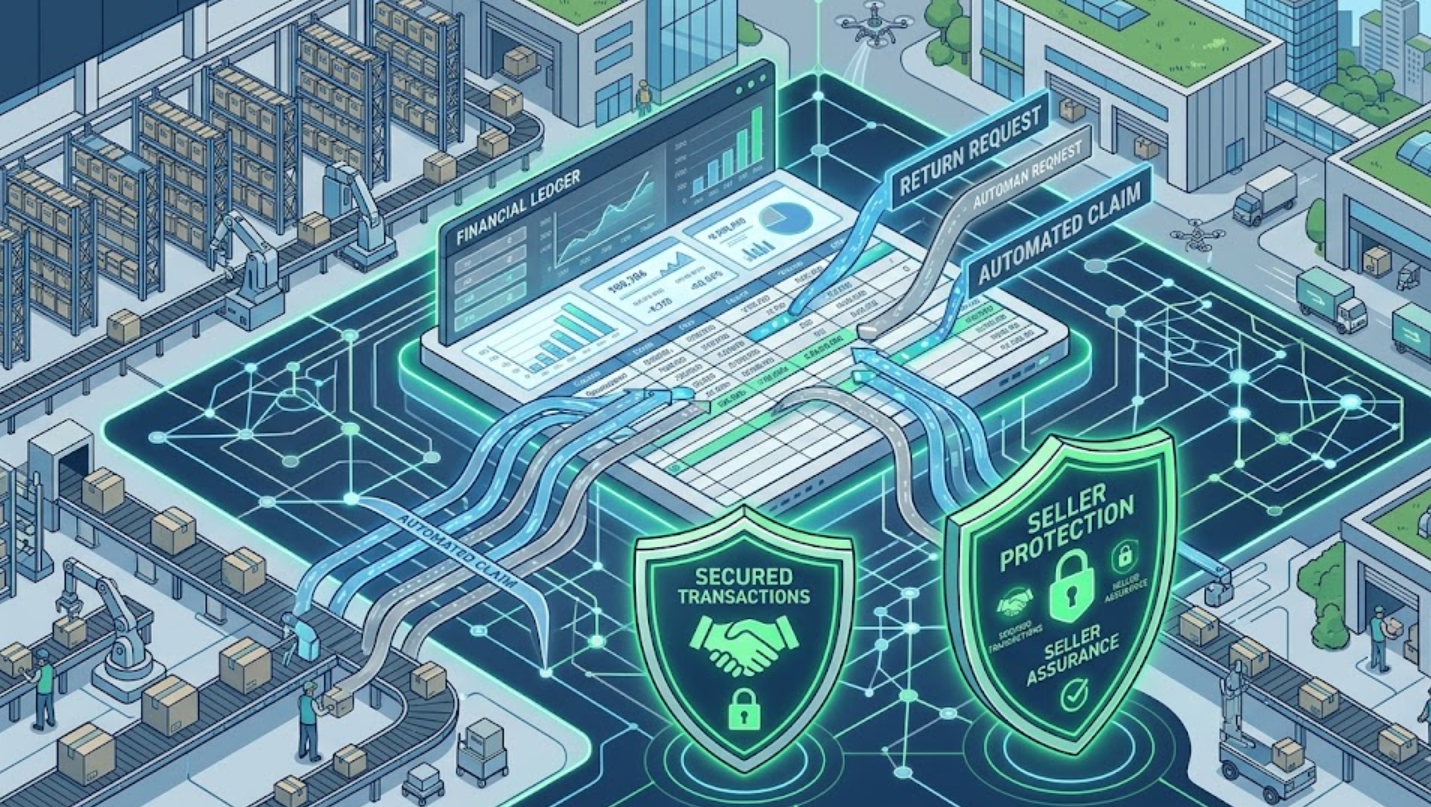
Navigating Amazon's A-to-Z Guarantee: Mitigating Seller-Funded Return Abuse
Amazon's automated A-to-Z Guarantee claims and escalating return abuse present a critical financial challenge for e-commerce sellers, often leading to uninvestigated, seller-funded losses. This trend, exacerbated by strict enforcement of doctrines like the First Sale Rule, necessitates proactive strategies to protect seller profitability. Understanding these dynamics and implementing robust mitigation tactics is essential for sustainable online business operations.
2026-04-29


