

Definition
A Customs Bond is a legally binding financial guarantee required by customs officials—such as U.S. Customs and Border Protection (CBP)—from the importing party. This bond ensures that all applicable duties, taxes, fees, and penalties related to the importation of commercial goods will be fully paid to the government. It safeguards the revenue of the government against potential non-compliance by the importer.
Core Function and Requirement
The primary function of the bond is to act as an insurance policy. If an importer fails to meet their financial obligations, the customs authority can make a claim against the bond issuer (the surety company) to recover the owed funds. Bonds are generally mandatory for commercial shipments exceeding a certain value or for goods subject to specific regulations.
There are two main types of Customs Bonds:
• Single Transaction Bonds (STB): Cover the financial obligations for one specific import shipment only. These are often used by infrequent importers.
• Continuous Transaction Bonds (CTB): Cover all import transactions made by the same importer over a set period, typically one year. These are preferred by high-volume importers for efficiency and cost-effectiveness.
Expert Advice for Importers
Selecting the correct bond type is critical for maintaining efficient supply chain operations. High-volume importers should always opt for a Continuous Transaction Bond to streamline the customs clearance process and avoid potential delays associated with obtaining a new bond for every shipment.
It is essential for the importing party to work closely with their Customs Broker or Logistics Consultant to ensure that the bond requirements meet the strict regulations of the country of importation. Failure to have a valid, appropriately valued bond will halt the customs clearance process entirely.
Key Takeaways
• Customs Bonds are mandatory financial guarantees for most commercial imports.
• They protect government revenue by ensuring the payment of duties and taxes.
• Continuous Bonds (CTB) save time and money for frequent importers compared to Single Bonds (STB).
• The bond must be issued by a certified surety and verified during the customs clearance process.
-

Navigating Amazon's Account Level Reserve (ALR) and Cash Flow Throttling: A Guide for Sellers
Amazon's Account Level Reserve (ALR) and "Delivery Date + 7 days" (DD+7) disbursement policies are severely impacting seller cash flow, making it challenging to pay suppliers and restock inventory. Understanding these mechanisms is crucial for maintaining financial stability and operational efficiency in e-commerce. Strategic logistics and proactive financial planning can help mitigate these significant funding delays.
2026-05-06
-
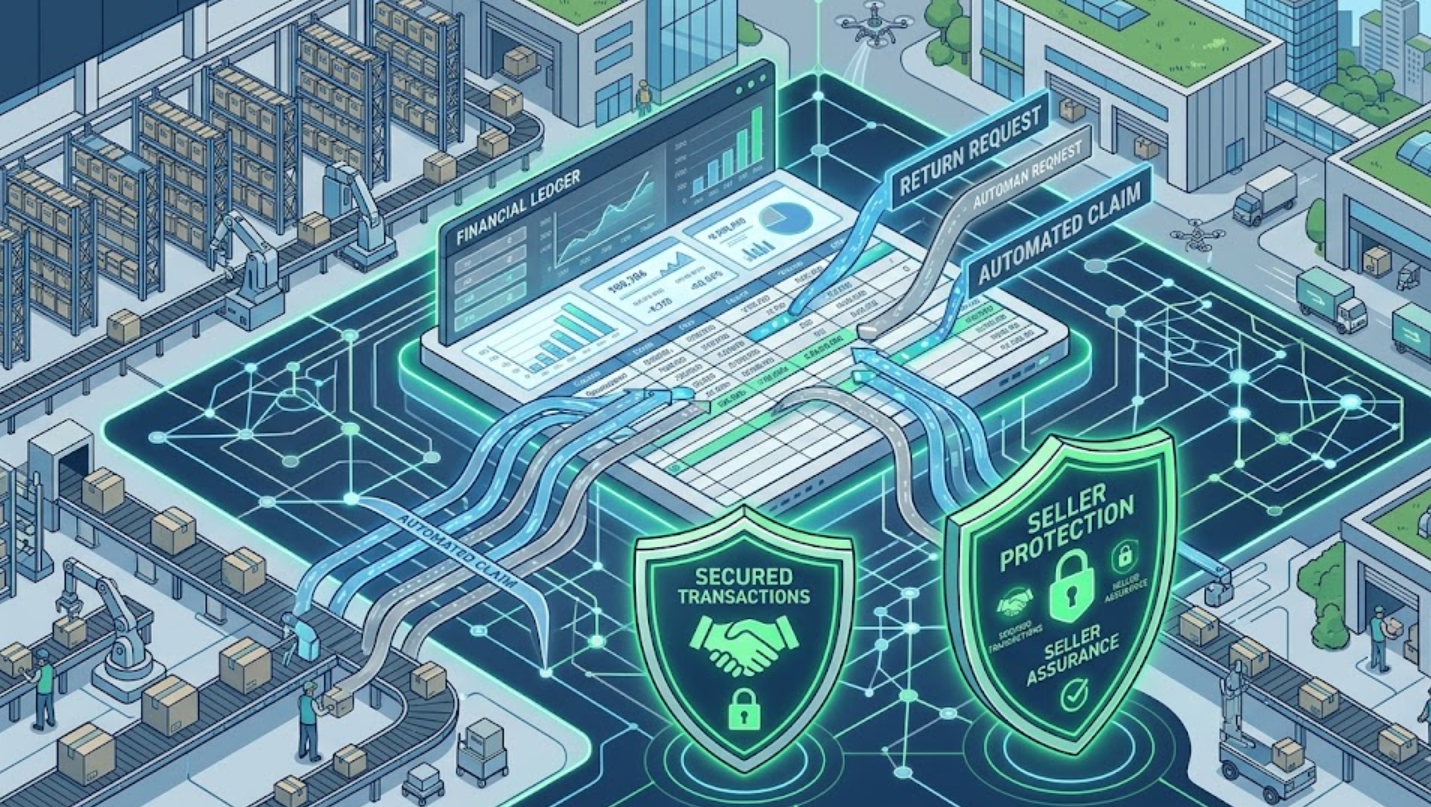
Navigating Amazon's A-to-Z Guarantee: Mitigating Seller-Funded Return Abuse
Amazon's automated A-to-Z Guarantee claims and escalating return abuse present a critical financial challenge for e-commerce sellers, often leading to uninvestigated, seller-funded losses. This trend, exacerbated by strict enforcement of doctrines like the First Sale Rule, necessitates proactive strategies to protect seller profitability. Understanding these dynamics and implementing robust mitigation tactics is essential for sustainable online business operations.
2026-04-29


