

Definition
The Country of Origin (COO) is the location where a specific commodity, material, or finished good is fully produced, manufactured, or processed. This designation is fundamentally important in international commerce as it dictates how goods are treated by customs authorities worldwide.
COO is required for:
• Calculating applicable tariffs and duties.
• Enforcing trade restrictions, quotas, and anti-dumping measures.
• Ensuring proper consumer labeling compliance ("Made In" requirements).
Core Function: Determining COO through Rules of Origin
The complexity arises when products are manufactured using materials sourced from multiple countries. To address this, customs bodies utilize Rules of Origin (ROO). ROO are specific legal criteria that define when sufficient transformation or value-add has occurred in one location to justify claiming that location as the COO.
Common Rules of Origin methodologies include:
• Wholly Obtained (WO): Used for primary goods (e.g., mined minerals, harvested crops) produced entirely within one country.
• Change in Tariff Classification (CTC): The most common rule. The manufacturing process must result in the final product having a different Harmonized System (HS) code than the raw components used to make it.
• Value-Add Percentage (VAP): Requires that a specific percentage of the final product’s value (usually 35% to 50%) must originate from the claimed producing country.
Expert Advice
Misstating the Country of Origin, even accidentally, can result in significant delays, high fines, seizure of goods, and loss of eligibility for preferential trade agreements (like those under Free Trade Agreements - FTAs).
Logicmile Consulting recommends the following proactive steps for compliance:
• Internal Audit: Regularly audit supply chain documentation to verify the source of all critical components.
• Utilize FTAs Carefully: Never assume eligibility for reduced duties. Eligibility under an FTA requires specific, stringent ROO documentation and certification (e.g., a Certificate of Origin).
• Stay Updated: Rules of Origin are constantly updated based on new international trade agreements and renegotiations. Companies must maintain current knowledge of the ROO enforced by their primary importing markets (e.g., the U.S. CBP, EU Customs).
Key Takeaways
• COO determines duties; ROO determines COO.
• Use of preferential tariff rates requires strict adherence to Rules of Origin documentation.
• Accurate documentation avoids penalties and supply chain disruptions.
-

Navigating Amazon's Account Level Reserve (ALR) and Cash Flow Throttling: A Guide for Sellers
Amazon's Account Level Reserve (ALR) and "Delivery Date + 7 days" (DD+7) disbursement policies are severely impacting seller cash flow, making it challenging to pay suppliers and restock inventory. Understanding these mechanisms is crucial for maintaining financial stability and operational efficiency in e-commerce. Strategic logistics and proactive financial planning can help mitigate these significant funding delays.
2026-05-06
-
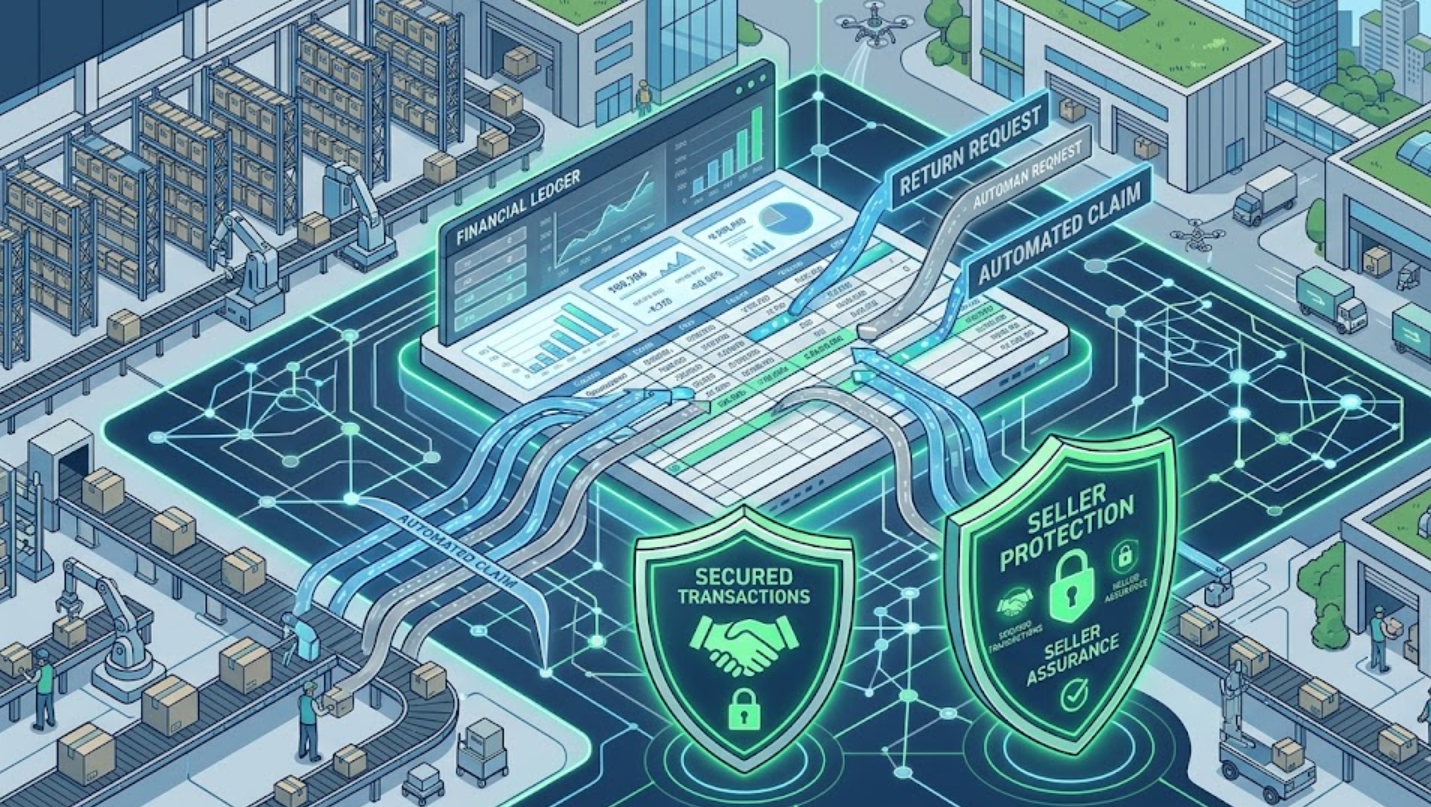
Navigating Amazon's A-to-Z Guarantee: Mitigating Seller-Funded Return Abuse
Amazon's automated A-to-Z Guarantee claims and escalating return abuse present a critical financial challenge for e-commerce sellers, often leading to uninvestigated, seller-funded losses. This trend, exacerbated by strict enforcement of doctrines like the First Sale Rule, necessitates proactive strategies to protect seller profitability. Understanding these dynamics and implementing robust mitigation tactics is essential for sustainable online business operations.
2026-04-29


