

Definition
Control of Damaged Goods refers to the systematic process of managing and disposing of inventory or products that have sustained harm during the shipping or handling phases of the supply chain. This process is crucial for effective risk mitigation.
Core Process
The process sequence is highly standardized to ensure accurate loss assessment and recovery potential.
• Taking immediate possession and segregation of damaged items.
• Comprehensive inspection and documentation of the extent of the damage (e.g., photos, detailed reports).
• Determination of the disposition: repair, salvage, disposal, or return to circulation.
• Filing and processing claims with carriers and insurance providers based on documented loss.
• Ensuring appropriate disposal methods are used, especially for sensitive or regulated materials.
Strategic Importance
Effective control is vital for minimizing the financial impact of damage and ensuring the safety and security of the supply chain. Poor control leads to inflated insurance premiums, unnecessary write-offs, and compliance issues. It requires rigorous coordination with insurance adjusters, transportation carriers, and other third parties to assess the damage and determine the best course of action.
Expert Advice
Logistics operators must implement a strong Standard Operating Procedure (SOP) that triggers immediately upon discovery of damage. Prompt notification to carriers is non-negotiable, often dictated by strict time limits for filing claims. Leverage digital documentation systems to create an irrefutable paper trail for all adjustments and disposal actions. View damaged goods not just as a loss, but as data points to improve upstream packaging and handling protocols, thereby preventing future occurrences.
-

Navigating Amazon's Account Level Reserve (ALR) and Cash Flow Throttling: A Guide for Sellers
Amazon's Account Level Reserve (ALR) and "Delivery Date + 7 days" (DD+7) disbursement policies are severely impacting seller cash flow, making it challenging to pay suppliers and restock inventory. Understanding these mechanisms is crucial for maintaining financial stability and operational efficiency in e-commerce. Strategic logistics and proactive financial planning can help mitigate these significant funding delays.
2026-05-06
-
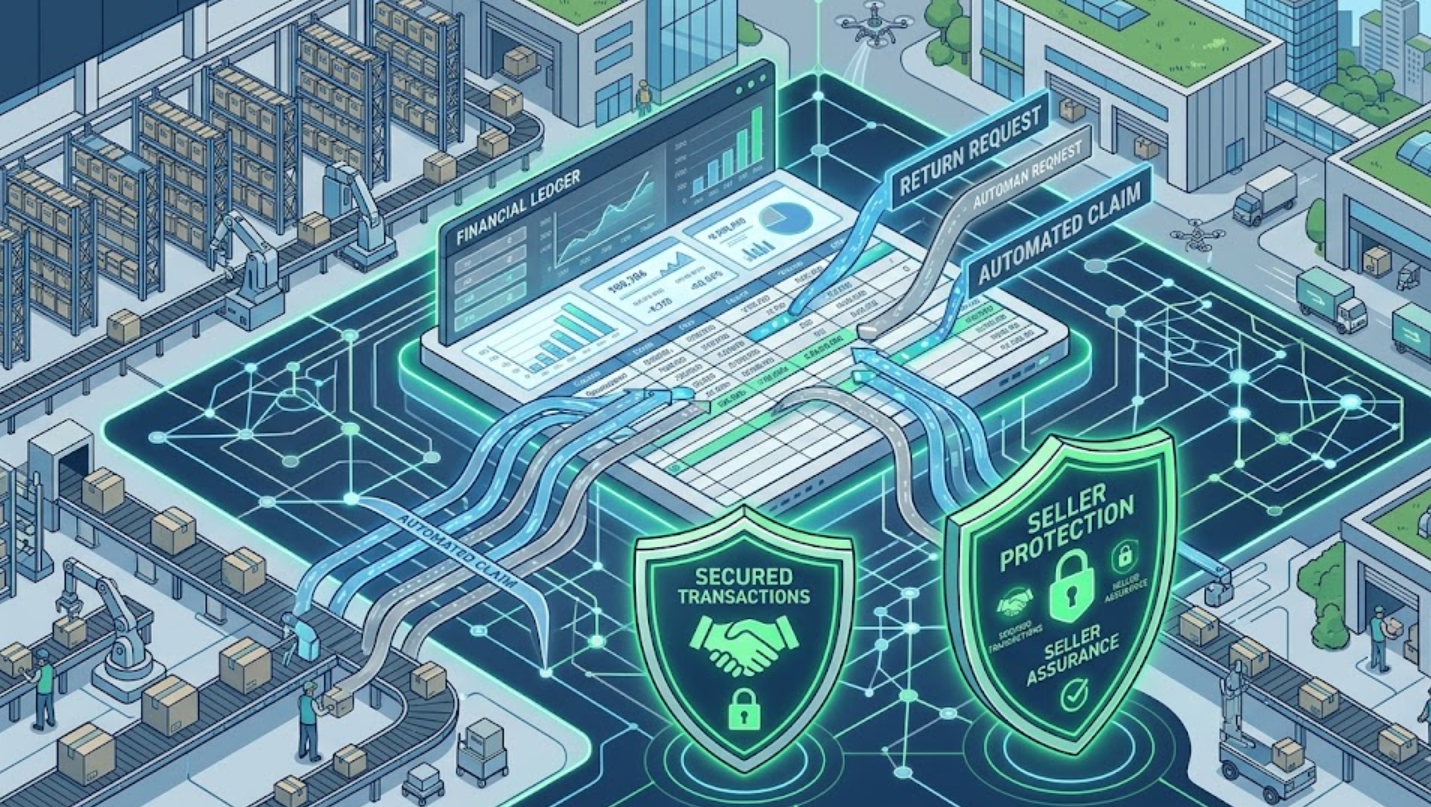
Navigating Amazon's A-to-Z Guarantee: Mitigating Seller-Funded Return Abuse
Amazon's automated A-to-Z Guarantee claims and escalating return abuse present a critical financial challenge for e-commerce sellers, often leading to uninvestigated, seller-funded losses. This trend, exacerbated by strict enforcement of doctrines like the First Sale Rule, necessitates proactive strategies to protect seller profitability. Understanding these dynamics and implementing robust mitigation tactics is essential for sustainable online business operations.
2026-04-29


